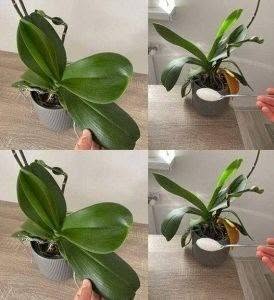
Orchids can be surprisingly easy to care for, but getting them to rebloom often requires the right balance of light, watering, temperature, and nutrients.
One simple approach is to use a diluted orchid fertilizer rather than relying on homemade mixtures or excessive feeding.
How Much Fertilizer Does an Orchid Need?
The exact amount depends on the fertilizer’s concentration, so don’t assume one tablespoon is suitable for every product.
Instead:
- Choose a fertilizer formulated for orchids.
- Read the label carefully for the recommended dilution.
- Mix only the amount specified by the manufacturer.
- Apply it to the growing medium rather than pouring concentrated fertilizer directly onto the roots.
- Fertilize during active growth according to the product directions.
More fertilizer does not mean more flowers. Overfeeding can damage orchid roots and cause salt buildup in the growing medium.
The Real Secret to More Blooms
Fertilizer is only one piece of the puzzle. Orchids also need:
- Bright, indirect light
- Proper drainage
- Watering when the growing medium is approaching dryness
- Good air circulation
- Suitable temperatures
- An appropriate potting mix, often based on bark or other orchid media
If an orchid receives too little light, adding more fertilizer usually won’t solve the problem.
Avoid Viral “Miracle Fertilizers”
You may see recipes recommending sugar, coffee grounds, rice water, or other kitchen ingredients as powerful orchid fertilizers. These aren’t guaranteed to produce continuous flowering and can sometimes encourage mold, pests, or nutrient problems.
A properly formulated orchid fertilizer is much easier to control.
Bottom Line
There is no single tablespoon of fertilizer that can make an orchid bloom nonstop. But the right orchid fertilizer, used at the correct dilution and combined with proper light and watering, can support healthy growth and future flowering.
For orchids, consistent care beats overfeeding every time.