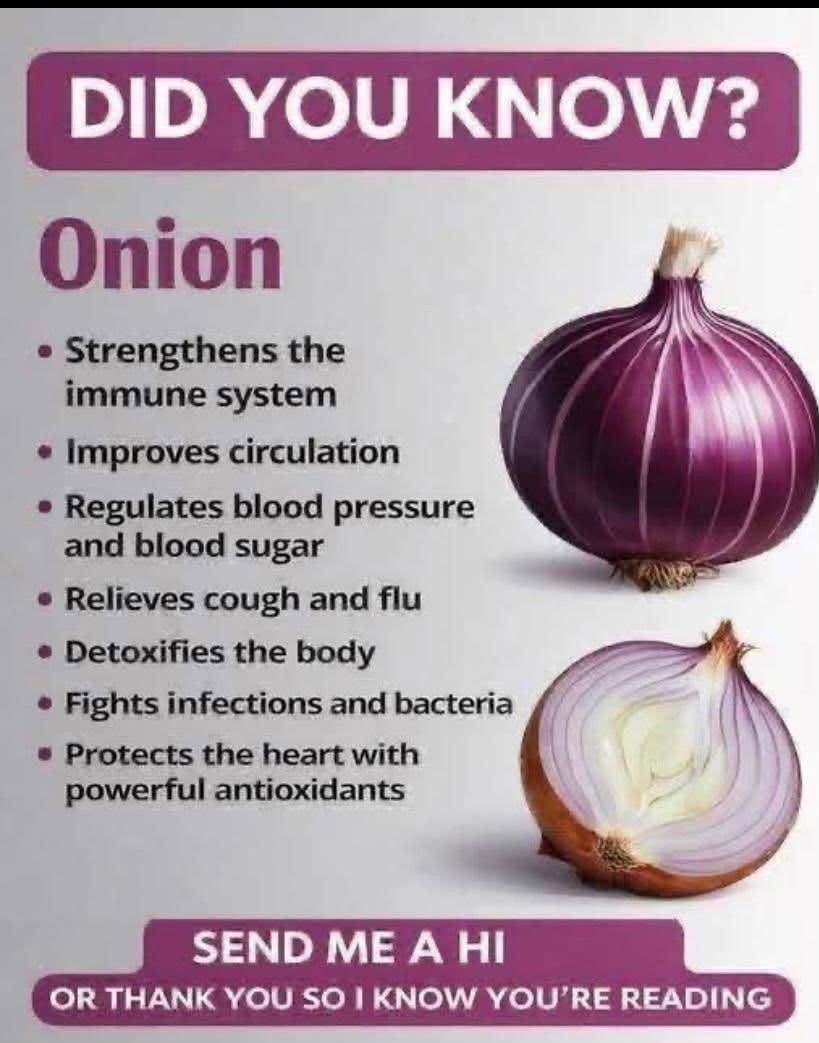
Red onions are more than a flavorful addition to salads and cooked dishes. They contain fiber, vitamin C, and plant compounds called flavonoids, including quercetin and anthocyanins.
For women, adding red onions to a balanced diet can be a simple way to increase intake of vegetables and beneficial plant compounds.
1. They Provide Antioxidant Plant Compounds
Red onions contain anthocyanins, the pigments responsible for their deep purple-red color. They also provide quercetin and other antioxidant compounds.
These substances help protect cells from oxidative damage, although eating red onions should not be viewed as a treatment for a specific disease.
2. They Support Digestive Health
Onions contain prebiotic fibers, which can help support beneficial bacteria in the gut.
However, onions can also cause gas or bloating in some people, particularly those with sensitive digestion or irritable bowel syndrome.
3. They Add Nutrients Without Many Calories
Red onions can provide flavor and nutrients without adding many calories to a meal.
They’re a useful addition to:
- Salads
- Bean or lentil dishes
- Sandwiches
- Omelets
- Grain bowls
- Soups and stews
4. They Can Be Part of a Heart-Healthy Diet
The plant compounds in onions are being studied for their potential relationship with cardiovascular health. But the bigger benefit comes from the overall eating pattern—including vegetables, fruits, whole grains, legumes, nuts, and healthy fats.
Red onions are one small part of that pattern.
5. They May Be Especially Useful When You Eat Them Regularly
You don’t need to eat huge amounts to benefit from including onions in your diet.
A practical approach is to add a modest portion to meals several times a week, alongside other vegetables.
What’s the Best Way to Eat Red Onions?
If you enjoy their sharper flavor, raw red onion works well in salads, sandwiches, salsa, and yogurt-based dishes.
Cooking makes onions softer and sweeter and can make them easier for some people to tolerate. However, heat can affect some heat-sensitive nutrients and plant compounds.
There’s no need to eat raw onion exclusively. The best form is the one you enjoy and can comfortably include in a balanced diet.
Try This Simple Combination
Slice red onion and combine it with:
- Tomatoes
- Cucumber
- Fresh herbs
- Chickpeas or beans
- A little olive oil
- Lemon juice
This creates a simple, nutrient-rich side dish without requiring a complicated recipe.
Who Should Be Careful?
If raw onions consistently cause severe bloating, abdominal discomfort, reflux, or diarrhea, reduce the portion or try them cooked.
Anyone with a known food allergy should avoid onions and discuss alternatives with a healthcare professional.
Bottom Line
Red onions can be a nutritious addition to a woman’s diet, providing fiber, vitamin C, and beneficial plant compounds.
They aren’t a miracle food and won’t prevent or cure a particular health condition. But eaten regularly as part of a varied diet, they can be a flavorful and easy way to add more plant foods to your meals.