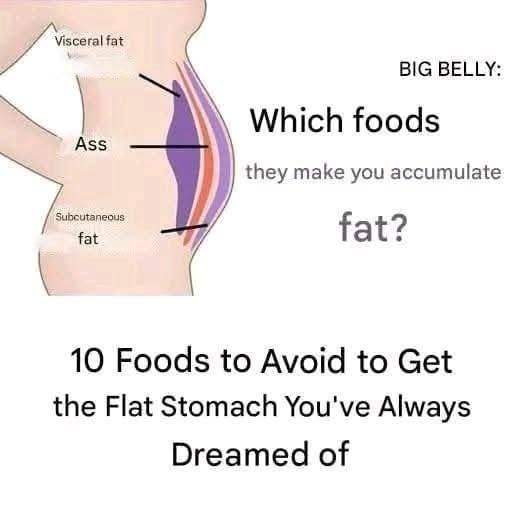
A flat stomach is a common fitness and wellness goal, but achieving it isn’t about finding one magical food or following an extreme diet. Your stomach can look larger because of body fat, bloating, water retention, constipation, or simply the way your body is naturally shaped.
If you’re trying to achieve a flatter-looking stomach, one useful place to start is by reducing foods that are particularly high in added sugar, refined carbohydrates, excess calories, or sodium—or foods that you personally find trigger bloating.
Here are 10 foods and drinks worth limiting if a flatter stomach is your goal.
1. Sugary Soft Drinks
Soda, sweetened fizzy drinks, energy drinks, and other sugar-sweetened beverages can add a significant amount of sugar and calories without making you feel particularly full.
Carbonated drinks can also temporarily increase feelings of bloating in some people.
Try instead:
- Water
- Sparkling water if carbonation doesn’t bother you
- Unsweetened tea
- Water infused with lemon, mint, or cucumber
If you regularly drink sugary beverages, replacing even one serving a day with water can be a practical first step.
2. Candy and Other High-Sugar Sweets
Candy, chocolate bars, gummies, and similar sweets can be very calorie-dense while providing relatively little protein or fiber.
Eating them occasionally doesn’t automatically prevent you from having a flat stomach. The bigger issue is frequent consumption and portion size, particularly when these foods contribute to consistently eating more calories than your body needs.
Better choices:
- Fresh fruit
- Greek yogurt with fruit
- A small portion of dark chocolate
- Homemade snacks with less added sugar
You don’t necessarily need to eliminate sweets completely. Keeping portions reasonable can make a healthy eating pattern easier to maintain.
3. Doughnuts, Pastries, and Other Sweet Baked Goods
Doughnuts, croissants, muffins, cakes, and many packaged pastries can combine refined flour, added sugar, and substantial amounts of fat.
That combination can make it easy to consume a lot of calories in a relatively small serving.
Try instead:
Choose breakfast options containing protein and fiber, such as:
- Eggs with whole-grain toast
- Oatmeal with fruit and nuts
- Plain yogurt with berries
- Whole-grain toast with peanut butter
These choices can help create a more filling meal.
4. White Bread and Other Refined-Grain Foods
White bread, many crackers, and other refined-grain products are made from grains that have been processed to remove parts of the original grain.
You don’t need to completely eliminate carbohydrates to lose body fat. Instead, consider replacing some refined-grain foods with whole grains, which generally provide more fiber.
Try:
- Whole-grain bread
- Oats
- Brown rice
- Barley
- Whole-wheat pasta
Fiber can also support regular bowel movements, which may help reduce constipation-related abdominal fullness.
5. French Fries and Deep-Fried Foods
French fries, fried chicken, samosas, pakoras, and other deep-fried foods can be high in calories because they absorb oil during cooking.
Eating them frequently can make maintaining a calorie deficit more difficult if fat loss is your goal.
Try instead:
- Baked potatoes
- Air-fried vegetables
- Grilled chicken
- Roasted fish
- Oven-baked homemade snacks
You don’t have to avoid fat altogether. Healthy sources such as nuts, seeds, olive oil, and avocado can be part of a balanced diet—the key is overall quantity.
6. Processed Meats
Processed meats such as sausages, hot dogs, bacon, and some deli meats can contain considerable amounts of sodium and saturated fat.
A high-sodium meal can contribute to temporary water retention, while regularly consuming calorie-dense processed foods can make weight management more difficult.
Try instead:
- Fresh chicken
- Fish
- Eggs
- Beans
- Lentils
- Plain lean meat
When buying packaged meat products, compare nutrition labels and choose options with less sodium when possible.
7. Fast Food
Burgers, pizza, fried chicken, loaded fries, and other fast-food meals can be particularly easy to overeat because they often combine refined carbohydrates, fat, salt, and large portions.
You don’t have to swear off restaurants forever.
Instead, consider:
- Ordering a smaller portion
- Choosing grilled rather than fried foods
- Adding vegetables or salad
- Limiting sugary drinks
- Sharing large portions
The occasional fast-food meal is unlikely to determine your results. Your overall eating pattern matters much more.
8. Highly Processed Snack Foods
Chips, cheese-flavored snacks, cookies, crackers, and similar packaged foods can be easy to eat straight from the bag.
Because they are often energy-dense, it’s possible to consume a large amount before feeling satisfied.
Try instead:
Keep convenient foods available that provide more nutritional value:
- Fruit
- Unsalted nuts
- Greek yogurt
- Carrots or cucumber with hummus
- Air-popped popcorn
If you enjoy chips or cookies, portion them into a bowl rather than eating directly from the package.
9. Alcoholic Drinks
Alcohol provides calories while offering relatively little nutritional value. Cocktails can contain even more calories when they’re made with sugary mixers.
Alcohol may also affect food choices, making it easier to snack or eat larger portions.
If you drink alcohol, moderation is important. For people who don’t drink, there is no health reason to start drinking for weight management.
Lower-calorie alternatives:
- Water
- Sparkling water
- Unsweetened iced tea
- Zero-sugar beverages
10. Foods That Trigger Your Bloating
This final category is different because there is no universal list of foods that cause bloating.
Some people experience bloating after eating certain foods, while others have no problem with them.
Common triggers for some individuals can include:
- Beans and lentils
- Certain dairy products
- Onions and garlic
- Some high-fiber foods
- Carbonated beverages
- Sugar alcohols used in some sugar-free products
This doesn’t mean these foods are unhealthy. In fact, many are nutritious.
If you repeatedly notice bloating after a particular food, keep a simple food-and-symptom diary and discuss persistent symptoms with a healthcare professional rather than unnecessarily eliminating large groups of foods.
What Should You Eat for a Flatter Stomach?
Instead of focusing only on what to remove, build your meals around nutritious foods.
A simple plate can include:
½ plate: vegetables and fruit
¼ plate: protein
¼ plate: whole grains or other high-fiber carbohydrates
Good protein choices include:
- Eggs
- Fish
- Chicken
- Greek yogurt
- Beans
- Lentils
- Tofu
For carbohydrates, consider:
- Oats
- Brown rice
- Potatoes
- Whole-grain bread
- Whole-wheat pasta
And don’t forget healthy fats from foods such as nuts, seeds, olive oil, and avocado.
Don’t Forget These 4 Habits
Food is only one part of the equation.
1. Stay Active
Regular physical activity helps support overall health and can contribute to weight management.
A combination of aerobic activity and resistance training can be particularly useful.
2. Eat Enough Fiber
Fiber-rich foods can support digestive health and help you feel full.
Increase fiber gradually and drink enough fluids, because suddenly adding a large amount of fiber can cause temporary gas or bloating.
3. Drink Enough Water
Adequate hydration supports normal digestion and overall health.
Water is generally a better everyday choice than sugary drinks.
4. Get Enough Sleep
Sleep is often overlooked when people are trying to change their body composition. Consistently getting adequate sleep supports overall health and can make healthy eating and exercise habits easier to maintain.
The Bottom Line
There isn’t a special list of foods that you must completely eliminate to get a flat stomach.
Instead, focus on limiting sugary drinks, highly processed snacks, deep-fried foods, refined grains, processed meats, and other calorie-dense foods that you consume frequently.
At the same time, build your diet around vegetables, fruits, whole grains, protein-rich foods, and healthy fats.
And remember: a perfectly flat stomach isn’t a realistic or necessary measure of health. Genetics, body composition, digestion, posture, and even the time of day can affect how your abdomen looks.
The most sustainable approach is not an extreme diet—it is a balanced eating pattern and regular physical activity that you can maintain over time.