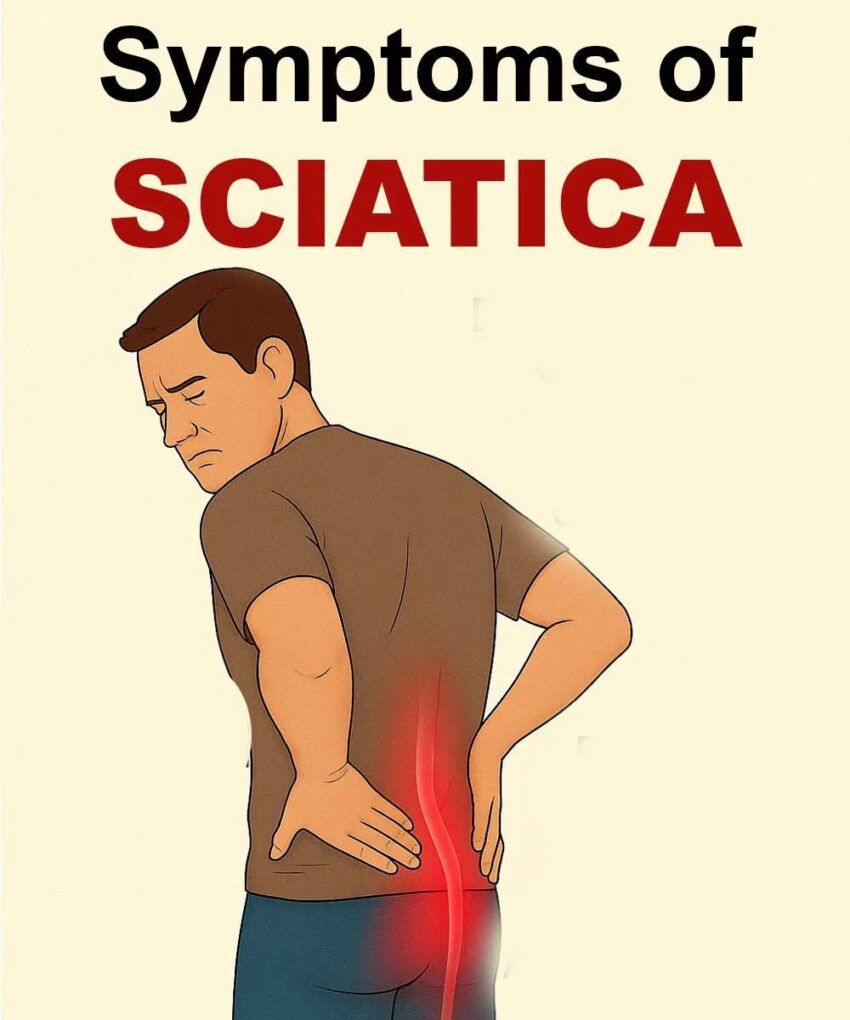
Lower back pain is something many people experience at some point in life. But when that pain begins traveling down the leg, causes numbness or tingling, or makes walking and everyday activities difficult, it may be more than ordinary back pain.
Sciatica and spinal stenosis are two common conditions that can significantly affect mobility and quality of life. Although they are different problems, both can involve irritation or compression of nerves in the lower back.
The good news is that having sciatica or spinal stenosis doesn’t necessarily mean you’ll need surgery. Treatment depends on the underlying cause, severity of symptoms, and whether there is nerve damage or weakness.
What Is Sciatica?
Sciatica isn’t technically a disease itself. It’s a term used to describe pain caused by irritation or compression of the sciatic nerve or its nerve roots.
The sciatic nerve travels from the lower back through the buttocks and down each leg. When one of the nerve roots becomes compressed—often because of a herniated disc—the resulting pain can travel along the path of the nerve.
People with sciatica may experience:
- Sharp or burning pain in the lower back or buttock
- Pain traveling down one leg
- Tingling or “pins and needles”
- Numbness
- Muscle weakness
- Pain that becomes worse with certain movements, coughing, or prolonged sitting
For some people, sciatica improves within several weeks. For others, persistent symptoms may require medical evaluation and treatment.
What Is Spinal Stenosis?
Spinal stenosis occurs when spaces within the spine become narrower, potentially putting pressure on the spinal cord or the nerves.
It is more common with aging because changes such as arthritis, thickened ligaments, and bone spurs can gradually reduce the available space around the nerves.
One characteristic symptom of lumbar spinal stenosis is pain, numbness, or weakness in the legs that becomes worse when standing or walking and may improve when sitting or bending forward.
Some people find that they can walk farther when leaning slightly forward, such as when pushing a shopping cart.
Why Are These Conditions So Disabling?
The problem isn’t always the amount of pain alone.
Nerve compression can interfere with walking, sleeping, working, exercising, driving, and even simple household activities. Someone who once enjoyed long walks may begin avoiding them because standing for several minutes causes leg pain or weakness.
Over time, people may also become less active because they’re afraid movement will make the problem worse.
That can create another problem: reduced activity may contribute to muscle weakness and loss of physical conditioning.
This is why addressing these conditions early and appropriately can be important.
So, What Is the Solution?
There isn’t one treatment that works for everyone. The most appropriate approach depends on the cause of the symptoms and how severely the nerves are affected.
1. Start With a Proper Diagnosis
The first step isn’t necessarily an MRI, an injection, or surgery.
A healthcare professional can assess your symptoms, muscle strength, reflexes, sensation, walking pattern, and other neurological signs.
Imaging such as an MRI may be recommended when symptoms are persistent, severe, associated with neurological abnormalities, or when a procedure is being considered.
An important point is that an abnormal MRI doesn’t automatically mean surgery is necessary. Some people have disc degeneration or spinal narrowing without significant symptoms.
The scan needs to be interpreted alongside the person’s symptoms and physical examination.
2. Keep Moving—Within Your Limits
One of the biggest mistakes people can make with back and nerve pain is becoming completely inactive.
For many people, appropriate movement is part of recovery. Prolonged bed rest generally isn’t the goal.
Your healthcare professional or physical therapist can help you identify movements and activities that are appropriate for your condition.
Depending on the individual, treatment may include:
- Gentle mobility exercises
- Core and abdominal strengthening
- Hip and leg strengthening
- Flexibility exercises
- Walking or other low-impact activity
- Posture and movement training
The important word is individualized. An exercise that feels helpful to one person may aggravate symptoms in another.
3. Physical Therapy Can Make a Difference
Physical therapy is often an important part of nonsurgical treatment.
A physical therapist can develop an exercise program designed around your symptoms and functional limitations.
For people with lumbar spinal stenosis, certain positions—often including gentle forward bending—may reduce symptoms. For others with sciatica, the exercise strategy may be different depending on what is irritating the nerve.
The goal isn’t simply to stretch the painful area.
A good rehabilitation program may focus on improving strength, mobility, balance, walking tolerance, and confidence in movement.
4. Manage Pain So You Can Stay Active
Pain management may also be part of treatment.
Depending on a person’s medical history, a healthcare professional may recommend medications such as certain pain relievers or anti-inflammatory drugs.
However, medications aren’t suitable for everyone. People with kidney disease, stomach ulcers, heart problems, certain medication interactions, pregnancy, or other health conditions may need different options.
That’s why it’s better to discuss medication choices with a healthcare professional rather than assuming that an over-the-counter medicine is automatically safe.
5. Consider Injections When Appropriate
In some cases, an epidural steroid injection may be considered to reduce inflammation around an irritated nerve and provide temporary pain relief.
Injections aren’t a permanent solution to structural narrowing or a herniated disc, and their benefits vary from person to person.
They may sometimes be used to help reduce pain enough for someone to participate more effectively in rehabilitation.
6. Surgery Isn’t Always Necessary—but Sometimes It Is
Hearing the word “spinal surgery” can be frightening.
Fortunately, many people with sciatica or spinal stenosis can initially be managed without surgery.
However, surgery may become an option when symptoms remain severe despite appropriate nonsurgical treatment, or when there is significant or progressive neurological impairment.
For spinal stenosis, a surgeon may perform decompression surgery to create more room for compressed nerves.
For certain cases of persistent sciatica caused by a herniated disc, a procedure such as a microdiscectomy may remove the portion of the disc pressing on the nerve.
Whether surgery is appropriate depends on the individual—not simply on the presence of a disc bulge or narrowing on an MRI.
Lifestyle Habits Can Also Help
Treatment doesn’t stop at the doctor’s office.
Maintaining a healthy weight can reduce physical stress on the spine. Regular, appropriate physical activity can help maintain strength and mobility.
Other useful habits may include:
- Avoiding prolonged sitting when possible
- Taking regular movement breaks
- Using proper lifting techniques
- Following a prescribed exercise program
- Maintaining good general fitness
- Avoiding smoking
- Getting adequate sleep
These measures aren’t guaranteed to eliminate nerve compression, but they can support overall spinal health and physical function.
When Back Pain Needs Urgent Attention
Most back pain isn’t an emergency. However, certain symptoms require prompt medical assessment.
Seek urgent medical attention if back or leg pain is accompanied by:
- New loss of bladder or bowel control
- Numbness around the genitals, buttocks, or inner thighs
- Rapidly worsening leg weakness
- Severe or progressive difficulty walking
- Significant symptoms following major trauma
These symptoms can indicate serious nerve compression and shouldn’t be ignored.
Don’t Let Back Pain Become Your New Normal
Sciatica and spinal stenosis can be frustrating because they can interfere with almost every part of daily life. But a diagnosis doesn’t automatically mean that your mobility is destined to decline.
The right treatment begins with understanding why the nerve is being irritated or compressed.
For many people, a combination of physical therapy, appropriate exercise, pain management, and healthy lifestyle habits can provide meaningful improvement. For people with persistent or severe nerve compression, a spine specialist can determine whether injections or surgery should be considered.
The most important step is not to self-diagnose based on pain alone.
Persistent leg pain, numbness, weakness, or walking difficulties deserve a proper medical evaluation. Finding the underlying cause early can help you and your healthcare team choose the most appropriate treatment and protect your mobility for the long term.
Final Thought
Your spine doesn’t have to define what you can and cannot do.
Sciatica and spinal stenosis can be challenging conditions, but understanding the cause, staying appropriately active, and getting individualized medical care can make a significant difference. The goal isn’t simply to reduce pain—it’s to help you move safely, maintain independence, and get back to the activities that matter to you.