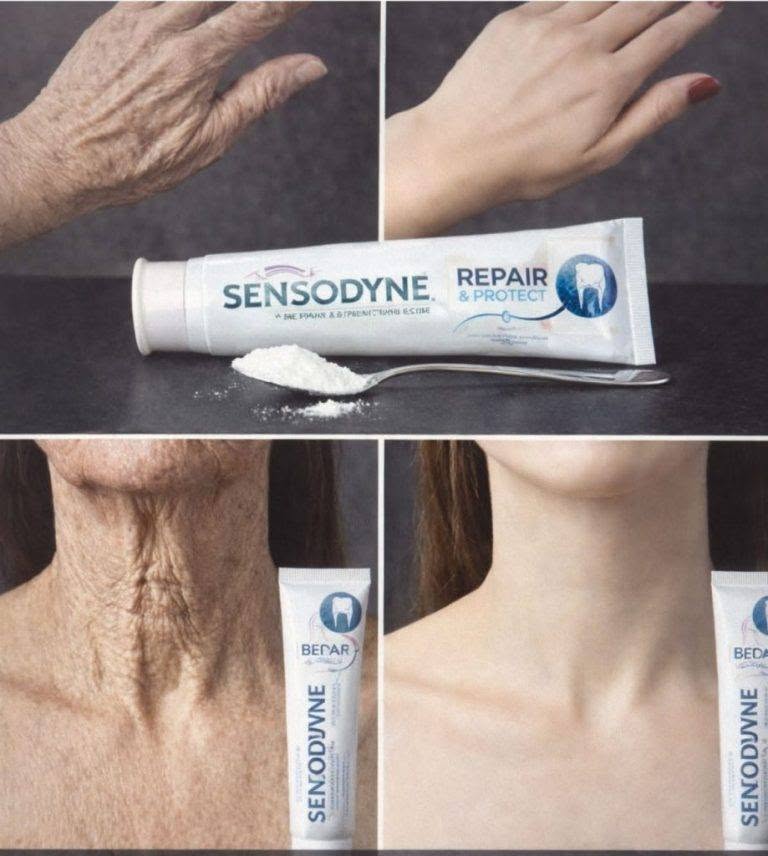
Looking for a natural way to improve your skin? Discover evidence-based home skincare habits that can support smoother, healthier-looking skin without promising unrealistic “plastic surgery” results.
Can a Home Treatment Really Make You Look Like You Had Plastic Surgery?
You may see skincare posts claiming that a simple homemade mixture can tighten the skin, erase wrinkles, or produce results “just like plastic surgery.”
The reality is more modest—but that doesn’t mean a good home routine can’t make your skin look smoother, brighter, and healthier.
No homemade mask can reproduce the structural changes produced by a surgical facelift. However, consistent skincare can improve hydration, protect collagen, and reduce the appearance of some signs of aging.
The Most Important Home Treatment: Sun Protection
If you’re looking for one habit with a major impact on the appearance of aging skin, daily sun protection deserves the most attention.
Regular exposure to ultraviolet radiation contributes to premature skin aging, including wrinkles, uneven pigmentation, and loss of skin elasticity.
Use a broad-spectrum sunscreen with SPF 30 or higher, apply enough to cover exposed skin, and reapply when appropriate—particularly after sweating or swimming.
Keep Your Skin Moisturized
A moisturizer won’t physically tighten loose skin like surgery, but it can temporarily make fine lines appear less noticeable by improving the skin’s hydration.
Look for a moisturizer suited to your skin type and apply it regularly, especially after cleansing.
Consider Proven Skincare Ingredients
If you’re interested in an at-home anti-aging routine, ingredients with more evidence behind them include:
Retinoids
Retinoids, including retinol products available without prescription in some countries, can help improve fine lines, skin texture, and pigmentation over time.
They can initially cause dryness or irritation, so starting gradually is important.
Pregnant people should avoid topical retinoids unless specifically advised otherwise by their healthcare professional.
Vitamin C
Topical vitamin C may help with uneven pigmentation and provides antioxidant activity. Product formulation and stability matter, so not every vitamin C product performs equally.
Niacinamide
Niacinamide can support the skin barrier and may help with uneven tone and other skin concerns. It is generally well tolerated by many people.
What About Homemade Face Masks?
Ingredients such as yogurt, honey, or oatmeal are sometimes used in DIY skincare. Some may provide temporary soothing or moisturizing effects, but there is no reliable evidence that a kitchen ingredient can produce a surgical facelift effect.
Be particularly cautious with lemon juice, baking soda, toothpaste, undiluted vinegar, or essential oils on the face. These can irritate or damage the skin.
How Long Does Real Improvement Take?
Skincare generally requires consistency.
Hydration can improve the appearance of skin relatively quickly, while improvements in pigmentation, texture, and fine lines may take weeks to months, depending on the product and individual.
Claims that a single treatment can permanently remove wrinkles or tighten dramatically loose skin overnight should be treated skeptically.
A Simple Daily Routine
Morning:
- Gentle cleanser, if needed
- Moisturizer
- Broad-spectrum SPF 30+ sunscreen
Evening:
- Gentle cleanser
- Appropriate treatment such as retinol, if suitable for you
- Moisturizer
Introduce new active ingredients gradually rather than using several irritating products at once.
The Bottom Line
A good home skincare routine can help your skin look healthier, smoother, and more even, but no DIY treatment can realistically duplicate the results of plastic surgery.