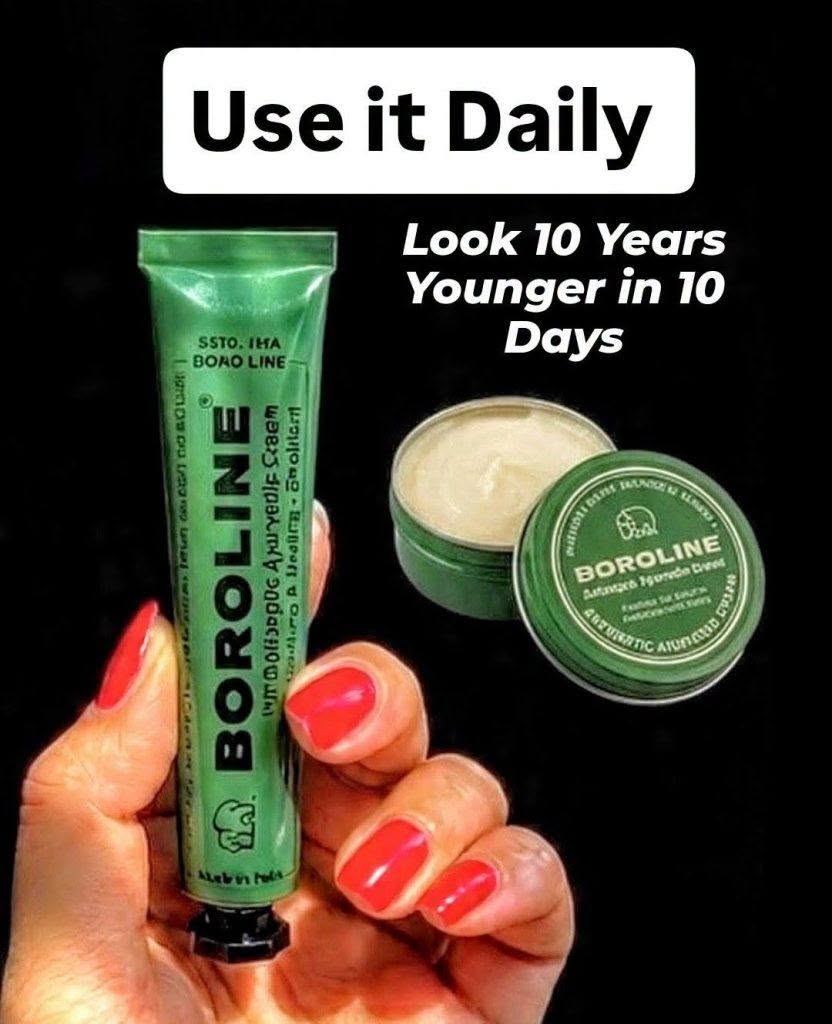
Boroline is a well-known antiseptic cream that has been used for generations, particularly in South Asian households. Its thick texture and distinctive green packaging have made it a familiar product for people looking for an affordable everyday skin-care option.
But what exactly is Boroline used for, and is it suitable for every skin type?
Let’s take a closer look at its common uses, potential benefits, and precautions.
What Is Boroline?
Boroline is a topical antiseptic cream traditionally formulated with ingredients including boric acid, zinc oxide, and eucalyptus oil.
Its formulation is intended for external use and has traditionally been associated with protecting and soothing minor skin problems.
Because formulations can vary by market or over time, always check the ingredient list and directions on the package you have.
1. Helps With Dry, Rough Skin
Boroline’s rich, thick consistency can help protect dry areas of skin by forming a barrier over the surface.
People commonly use it on areas such as:
- Dry hands
- Rough heels
- Elbows
- Dry patches
- Chapped areas
For very dry skin, applying a small amount before bedtime can help reduce moisture loss and leave the skin feeling softer.
2. Useful for Dry, Cracked Heels
Cracked heels are often associated with dry, thickened skin.
A protective ointment can help soften the skin and reduce moisture loss. Some people use Boroline overnight and wear clean cotton socks afterward.
However, deeply cracked, painful, bleeding, or infected heels may require professional medical attention rather than relying solely on a cosmetic cream.
3. May Help Protect Minor Skin Irritations
Boroline has traditionally been used for minor skin irritations and superficial skin problems.
Its protective texture can act as a barrier over the skin, but it shouldn’t automatically be applied to every rash or unexplained skin lesion.
If a rash is spreading, painful, infected-looking, or persistent, identify the cause before treating it at home.
4. For Chapped Lips
Some people use small amounts of Boroline on dry or chapped lips.
However, not every ingredient in a topical antiseptic cream is necessarily ideal for the lips, and the product should not be swallowed.
If you experience irritation, discontinue use.
5. Helps With Rough Cuticles
Dry cuticles can become rough, flaky, and uncomfortable.
Applying a very small amount of a thick moisturizing ointment around the cuticles may help soften the surrounding skin.
Avoid applying it to cuts or infected areas without appropriate advice.
6. A Traditional Household Skin-Care Product
One reason Boroline remains popular is its versatility.
Rather than being marketed solely as a beauty cream, it has traditionally been kept in the home for a variety of minor skin-care needs.
That said, versatile doesn’t mean suitable for everything. A product designed for external skin use shouldn’t be considered a treatment for serious burns, infections, eczema, or other medical conditions without professional advice.
Is Boroline Good for the Face?
This depends on your skin and how you use it.
Boroline is a relatively rich and occlusive cream. People with very dry skin may appreciate its protective texture, while those with oily or acne-prone skin may find it too heavy.
If you’re considering using it on your face, try a small amount on a limited area first and watch for irritation or breakouts.
Can You Use Boroline Every Day?
Some people use it regularly on particularly dry areas.
However, daily use isn’t necessary for everyone. Your skin type, the area being treated, and the reason you’re using the product all matter.
Always follow the product’s instructions and avoid using it more frequently or over larger areas than recommended.
Important Precautions
Before using Boroline, keep these points in mind:
- For external use only.
- Avoid contact with the eyes.
- Don’t swallow the product.
- Don’t use it on serious or deep wounds unless advised by a healthcare professional.
- Stop using it if significant irritation develops.
- Keep it away from children.
- Check the label for ingredients and directions before use.
If you have a persistent skin condition, it’s better to find out what’s causing it rather than repeatedly applying an over-the-counter cream.
Boroline vs. Regular Moisturizer
Boroline and an ordinary daily moisturizer serve different purposes.
A moisturizer is generally designed for routine hydration and maintaining the skin barrier. Boroline is a thicker, traditional antiseptic ointment with a different formulation.
For everyday facial skin care, a moisturizer formulated for your skin type may be more appropriate. Boroline may be more useful when you specifically want a rich protective ointment for a dry area.
Final Thoughts
Boroline has earned a long-standing place in many South Asian medicine cabinets because of its rich texture and traditional use for minor skin-care concerns.
It may help protect and soften dry, rough areas of skin, but it isn’t a universal solution for every skin problem.
Use it according to the product label, pay attention to how your skin responds, and seek medical advice for persistent, severe, or unexplained skin problems.