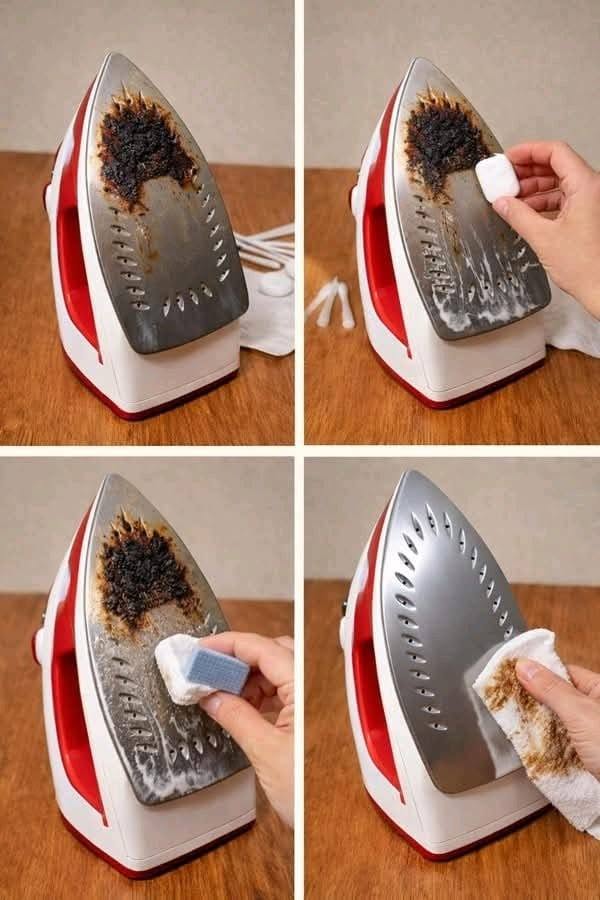
Burnt food, greasy surfaces, stubborn stains, and stuck-on residue can make even your favorite pots and pans look impossible to clean. Fortunately, you don’t always need expensive specialty cleaners to tackle everyday kitchen messes.
Several simple household ingredients—including baking soda, white vinegar, dish soap, salt, and lemon—can help loosen grime and make cleaning easier.
The best method depends on the type of cookware and the mess you’re dealing with.
1. Baking Soda for Burnt Food
Baking soda is one of the most useful household ingredients for cleaning stubborn cookware.
What you’ll need:
- 2–3 tablespoons of baking soda
- Water
- A non-abrasive sponge or scrubber
How to use it:
- Sprinkle baking soda over the affected area.
- Add enough water to make a loose paste.
- Let it sit for 15–30 minutes.
- Gently scrub the residue.
- Rinse thoroughly and wash with dish soap.
For particularly stubborn burnt food, you can add water to the pan and gently simmer the mixture before allowing it to cool and scrubbing.
2. Baking Soda and Dish Soap for Greasy Pans
If your pan is coated with a layer of stubborn grease, baking soda combined with ordinary dish soap can help.
Mix a small amount of baking soda with several drops of dish soap to create a paste.
Apply it to the greasy surface, leave it for several minutes, and then gently scrub with a suitable sponge.
Rinse thoroughly afterward.
3. White Vinegar for Mineral Deposits
If your cookware has cloudy mineral deposits from hard water, diluted white vinegar can be useful.
Add a small amount of white vinegar and water to the cookware and allow it to sit briefly. For suitable cookware, you can gently warm the mixture.
Then rinse thoroughly and wash normally.
Important: Don’t use vinegar on surfaces that can be damaged by acids, and never mix vinegar with chlorine bleach or bleach-containing cleaners.
4. Lemon and Salt for Freshening Stainless Steel
Lemon and salt can be useful for tackling certain stains and odors on stainless-steel cookware.
Cut a lemon in half, sprinkle a small amount of salt over the affected area, and gently rub the surface with the lemon.
Rinse thoroughly and dry with a clean cloth.
Avoid aggressive scrubbing, which can leave scratches.
5. Soak Before You Scrub
Sometimes the simplest solution is also the most effective.
Instead of immediately attacking dried food with a scrubber, fill the cookware with warm water and a little dish soap.
Let it soak for 20–30 minutes—or longer for particularly stubborn residue.
The water can soften the dried food and reduce the amount of force needed to remove it.
6. Try a Baking Soda Paste on Stainless Steel
For stubborn marks on stainless steel, make a paste from baking soda and a small amount of water.
Apply the paste gently with a soft sponge.
When cleaning stainless steel, avoid using abrasive materials that can permanently scratch the finish.
For the best appearance, follow the natural direction of the metal’s grain when wiping or scrubbing.
7. Cleaning Cast-Iron Pans Is Different
Cast iron requires special care.
Avoid routinely soaking a cast-iron pan for long periods, as prolonged exposure to water can contribute to rust.
Instead:
- Remove food residue while the pan is still manageable to clean.
- Use hot water and a suitable brush or scraper.
- Dry the pan thoroughly.
- Apply a very thin layer of cooking oil if appropriate for your cookware’s maintenance routine.
Avoid treating cast iron exactly like stainless steel or glass cookware.
8. Be Careful With Nonstick Cookware
Nonstick pans require a gentler approach.
Avoid steel wool, harsh abrasive powders, and aggressive scrubbing because they can damage the nonstick coating.
Use warm water, dish soap, and a soft sponge instead.
If the coating is peeling, badly scratched, or damaged, replacing the pan may be safer than trying increasingly aggressive cleaning methods.
What About Aluminum Cookware?
Aluminum can react with acidic or alkaline cleaning substances, potentially causing discoloration or surface changes.
For routine cleaning, start with warm water, dish soap, and a soft sponge. Check the manufacturer’s instructions before using vinegar, baking soda, or other stronger household cleaning methods.
A Simple Natural Cleaning Routine
For many everyday messes, try this sequence:
Soak → loosen → gently scrub → rinse → dry.
Start with the mildest method that can reasonably remove the mess. There’s usually no benefit to using an extremely abrasive cleaner when soaking and gentle scrubbing will do the job.
Cleaning Mistakes to Avoid
Don’t mix household cleaners randomly
Never mix bleach with vinegar, ammonia, or other cleaning products. Dangerous gases or chemical reactions can occur.
Don’t use abrasive tools on delicate surfaces
Steel wool and harsh scrubbers can scratch nonstick coatings, polished stainless steel, enamel, and other finishes.
Don’t use the same method for every pan
Cast iron, nonstick cookware, stainless steel, aluminum, and enamel can have very different care requirements.
Don’t scrub burnt food aggressively right away
Give water and time a chance to loosen the residue first.
Final Thoughts
You don’t need a cabinet full of specialized products to deal with many everyday kitchen messes.
Baking soda, dish soap, vinegar, lemon, salt, warm water, and a little patience can handle a surprising amount of grime—provided they’re used on cookware that’s compatible with them.
The most important rule is to identify your cookware first. A cleaning method that’s perfect for stainless steel could damage a nonstick coating or affect cast iron.
When in doubt, check the manufacturer’s care instructions and start with the gentlest cleaning method.