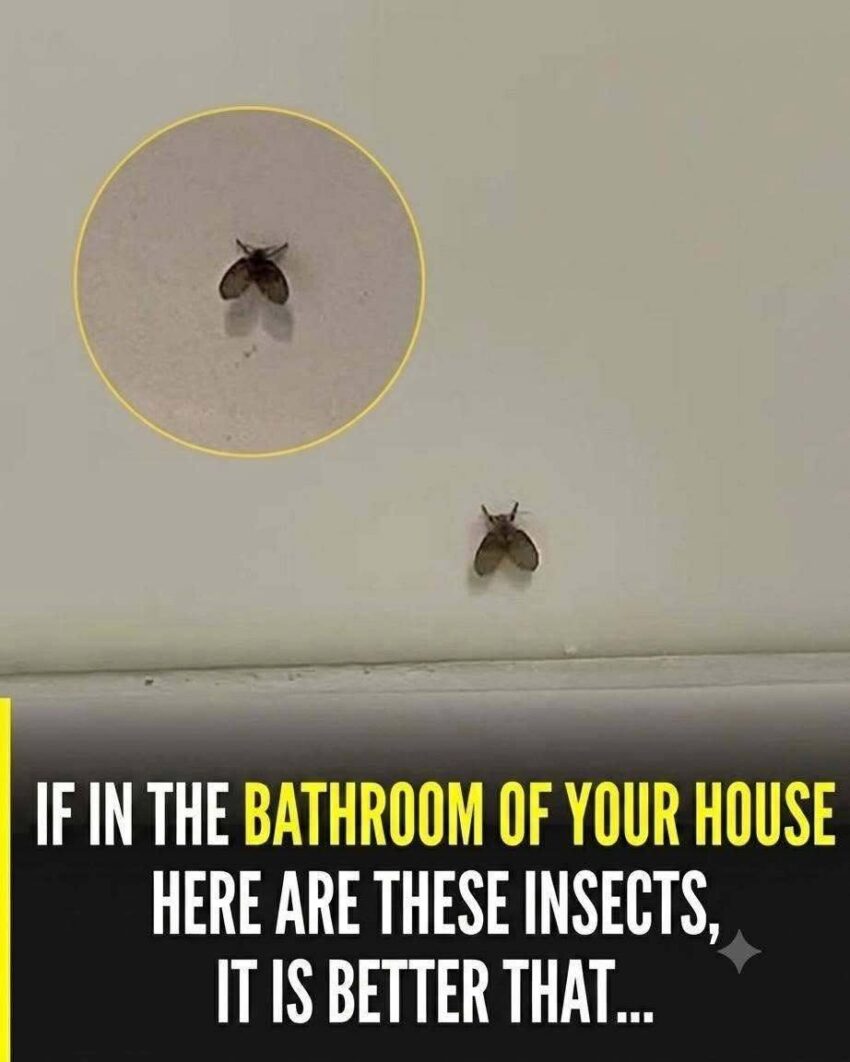
Have you noticed tiny flies suddenly appearing around your bathroom sink, shower, or drain?
You may swat one away, only to find several more the next day. While these little insects can be annoying, their presence often points to something very specific: moisture and organic buildup inside or around a drain.
The good news is that they’re usually manageable once you identify where they’re coming from.
What Are Those Tiny Bathroom Flies?
One of the most common culprits is the drain fly, also called a moth fly.
These insects are tiny and often look fuzzy or moth-like. They commonly gather around sinks, showers, bathtubs, and floor drains.
They don’t usually fly very far, which is why you may repeatedly notice them in the same bathroom.
Why Are They Appearing in Your Bathroom?
Drain flies are attracted to the damp organic material that can accumulate inside drains and plumbing.
A drain may look perfectly clean from above while a layer of buildup remains deeper inside the pipe.
This material can include:
- Soap residue
- Hair
- Skin cells
- Dirt
- Other organic debris
The warm, damp environment can provide an ideal place for drain flies to reproduce.
Does Seeing Drain Flies Mean Your Bathroom Is Dirty?
Not necessarily.
Even a regularly cleaned bathroom can develop organic buildup inside a drain over time.
The important clue is persistent moisture and material inside the plumbing, rather than simply how clean the visible surfaces look.
How to Find Where They’re Coming From
If you’re seeing only a few flies, try identifying the drain they’re associated with.
Check:
- Bathroom sink drains
- Shower drains
- Bathtub drains
- Floor drains
- Overflow openings around sinks
A simple way to investigate is to cover a suspected drain overnight with clear tape or another temporary covering that allows you to see whether flies are emerging from that area.
Avoid blocking a drain in a way that could create a safety or plumbing problem.
How to Get Rid of Tiny Bathroom Flies
1. Clean the Drain Thoroughly
The most important step is removing the organic buildup where the flies may be breeding.
Physically cleaning the drain and accessible areas can be more useful than simply spraying adult flies.
Remove visible hair and debris, then clean the drain according to your plumbing fixture manufacturer’s recommendations.
2. Clean Around the Drain
Don’t forget the areas surrounding the drain.
Wash away soap residue, hair, and other buildup around the sink, shower, and drain opening.
3. Keep the Bathroom Dry
Because these insects thrive in moist environments, reducing excess moisture can help.
After showering, allow surfaces to dry and use bathroom ventilation when available.
Fix leaking faucets, pipes, or toilets promptly.
4. Don’t Rely Only on Bug Spray
Spraying adult flies may kill the insects you can see, but it doesn’t necessarily remove the source.
If larvae are developing inside a drain, new adults can continue appearing.
Treating the breeding site is usually more important than repeatedly killing the visible flies.
5. Clean Regularly
Regular drain maintenance can help reduce the buildup that attracts drain flies.
If a particular drain repeatedly produces flies, it may need more thorough cleaning.
What If the Flies Keep Coming Back?
If you’ve cleaned the obvious drains and the flies continue appearing, there may be another source.
Check less obvious areas such as:
- Floor drains
- Rarely used sinks
- Utility-room drains
- Areas around leaking pipes
- Hidden plumbing leaks
- Damp organic material
If you can’t locate the source or the infestation is persistent, a pest-control professional or plumber may be able to help identify the problem.
Are Bathroom Drain Flies Dangerous?
Drain flies are generally considered a nuisance rather than a serious household threat.
However, a persistent infestation can be a sign of standing moisture, plumbing problems, or organic buildup, so it is still worth finding and addressing the source.
Final Thoughts
Those tiny flies hovering around your bathroom aren’t necessarily a sign that your home is dirty.
In many cases, they’re a clue that something damp and organic is accumulating somewhere in the drainage system.
Instead of simply swatting the adults or spraying insecticide, focus on finding the source, cleaning the affected drain, removing buildup, and reducing excess moisture.
Once the breeding site is eliminated, the tiny visitors should gradually disappear.