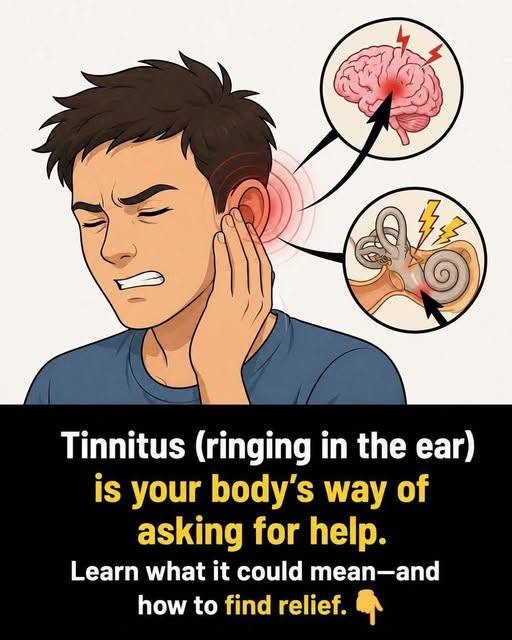
Tinnitus is a symptom rather than a disease itself. For some people, it lasts only a few seconds or minutes. For others, it can persist or return regularly.
And while you may see claims online that ringing in your ear means you’re going to develop a particular illness, tinnitus does not reliably predict that you will suffer from one specific disease.
What Causes Ringing in the Ears?
There are many possible causes of tinnitus.
Common possibilities include:
- Exposure to loud music or machinery
- Age-related hearing changes
- Earwax buildup
- Certain medications
- Ear infections or other ear problems
- Hearing loss
- Head or neck injuries
- Problems affecting the jaw
Sometimes, no specific cause can be identified.
Could Ringing Be Related to Hearing Loss?
Yes.
Tinnitus frequently occurs alongside hearing loss. In some cases, the ringing may become noticeable before a person realizes that their hearing has changed.
If you regularly experience tinnitus, particularly along with difficulty hearing conversations, a hearing evaluation may be worthwhile.
What About Stress?
Stress can make tinnitus more noticeable or harder to tolerate.
Poor sleep and anxiety may also make it easier to focus on an otherwise subtle internal sound. This doesn’t necessarily mean stress caused the original tinnitus, but managing stress and improving sleep may help some people cope with the symptom.
When Should Ringing in the Ear Be Checked?
Occasional brief ringing isn’t necessarily a cause for alarm.
However, arrange a medical evaluation if tinnitus:
- Keeps returning or doesn’t go away
- Is affecting your sleep or concentration
- Occurs with hearing loss
- Is consistently present in only one ear
- Develops after starting a new medication
- Is accompanied by dizziness or balance problems
Sudden Ringing With Sudden Hearing Loss Is Different
If ringing suddenly appears together with a sudden reduction in hearing, especially in one ear, seek urgent medical attention.
Sudden sensorineural hearing loss can require prompt treatment, and delaying evaluation may reduce the chance of recovery.
What If the Sound Pulses With Your Heartbeat?
A rhythmic sound that seems to beat in time with your pulse is called pulsatile tinnitus.
Because it can sometimes be associated with blood-flow or vascular conditions, new or persistent pulsatile tinnitus should be evaluated by a healthcare professional.
The Bottom Line
Ringing in your ears doesn’t mean you’re destined to develop a particular disease.
Tinnitus has many possible causes, ranging from temporary noise exposure and earwax to hearing changes and other medical conditions. The pattern of the tinnitus—and whether you have other symptoms—matters.
If the ringing is persistent, one-sided, pulsatile, or accompanied by hearing loss, dizziness, or other unusual symptoms, get it checked rather than trying to diagnose it from an online article.