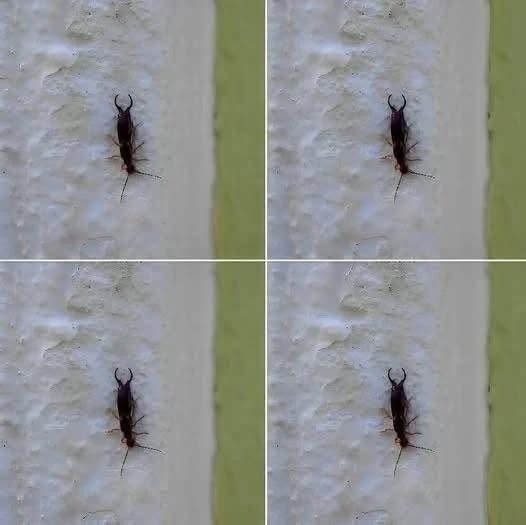
Found an unfamiliar insect in your home? Learn how to identify common household insects, why they may appear, whether they are dangerous, and what you can do to safely prevent them.
Finding an unfamiliar insect inside your home can be unsettling, especially when you don’t immediately know whether it is harmless or something that requires attention.
Some insects commonly enter homes looking for food, moisture, warmth, or shelter. Others may be attracted to outdoor lights, standing water, plants, or household waste. While most insects are harmless to people, certain species can bite, sting, contaminate food, damage fabrics or wood, or indicate a larger infestation.
Before reaching for insect spray, the first step is to identify the insect correctly.
Why You Shouldn’t Panic
Seeing a single insect does not necessarily mean your home has an infestation.
Many insects accidentally enter houses through:
- Open windows and doors
- Small cracks around walls
- Gaps beneath doors
- Damaged window screens
- Plumbing openings
- Vents
- Boxes, plants, or outdoor items brought indoors
- Food packages
Weather can also affect insect activity. Warm temperatures may increase insect movement, while heavy rain can drive some insects indoors in search of dry shelter.
For this reason, finding one insect should not automatically be treated as an emergency.
Is the Insect Dangerous?
The answer depends entirely on the species.
Some household insects are simply annoying but pose little risk. Others can cause skin irritation, allergic reactions, bites, or stings.
Certain insects can also contaminate food or surfaces if they are present in large numbers.
If you are unsure what you have found, avoid touching it with your bare hands. Take a clear photograph from a safe distance and compare it with reliable identification information or ask a pest-control professional.
Common Signs That You May Have an Infestation
One insect may be accidental, but repeated sightings deserve more attention.
Look for:
- Multiple insects appearing in the same area
- Insects appearing at night
- Small droppings or dark spots
- Damaged food packaging
- Holes in clothing or fabrics
- Eggs or egg cases
- Unusual odors
- Insects appearing around sinks or drains
- Increased activity around food-storage areas
If you repeatedly see insects despite cleaning and removing possible food sources, there may be an underlying infestation.
Where Insects Commonly Hide
Different insects prefer different environments, but common hiding places include:
Kitchen
Check around cupboards, pantry shelves, food containers, sinks, and appliances.
Keep dry foods such as flour, rice, cereal, and grains in sealed containers.
Bathroom
Moisture attracts many insects. Check around sinks, drains, pipes, and areas where water accumulates.
Repair leaking faucets or pipes and keep damp areas as dry as possible.
Bedroom
Some insects may hide in mattresses, furniture, carpets, cracks, or dark corners.
Regular vacuuming can help remove insects, eggs, and debris.
Basement and Storage Areas
Dark, undisturbed spaces can provide excellent shelter for insects.
Keep cardboard boxes away from damp areas and avoid allowing clutter to accumulate.
How to Prevent Household Insects
You don’t always need strong chemicals to reduce insect activity.
Start with simple prevention methods.
Keep Food Sealed
Store food in tightly sealed containers rather than leaving opened packages exposed.
Clean crumbs and spills quickly.
Reduce Moisture
Fix leaks and improve ventilation in bathrooms and kitchens.
Dry wet surfaces instead of allowing water to remain overnight.
Seal Entry Points
Inspect doors, windows, vents, and cracks around pipes.
Sealing small openings can reduce the number of insects entering your home.
Keep the Home Clean
Regular vacuuming and cleaning can remove food particles and potential hiding places.
Pay particular attention to corners, underneath furniture, and behind appliances.
Manage Outdoor Areas
Trim vegetation near windows and doors and avoid allowing piles of leaves or damp organic material to accumulate directly against the house.
What You Should NOT Do
If you find an unfamiliar insect, don’t immediately handle it.
Avoid:
- Picking it up with bare hands
- Crushing it against your skin
- Spraying large amounts of pesticide indoors
- Mixing different insect-control chemicals
- Using outdoor pesticides inside the home
- Applying chemicals around children or pets without checking the label
Always follow the instructions on any pest-control product you use.
When You Should Call a Pest-Control Professional
Professional help may be appropriate when:
- You repeatedly see large numbers of insects.
- You cannot identify the insect.
- You find evidence of nesting.
- Food or property is being damaged.
- Household members are experiencing repeated bites or stings.
- The insects continue appearing after basic prevention measures.
- The suspected insect may be medically significant.
A professional can identify the species and recommend treatment appropriate for the particular infestation.
What If You Were Bitten or Stung?
If you believe an insect has bitten or stung you, move away from the area and avoid further contact.
For a minor reaction, washing the area with soap and water and applying a cool compress may help with discomfort.
However, seek urgent medical attention if you develop serious symptoms such as difficulty breathing, swelling of the lips or throat, fainting, severe dizziness, or a rapidly worsening allergic reaction.
Final Thoughts
Finding an unfamiliar insect in your home can certainly be alarming, but there is no reason to panic based on appearance alone.
The most important step is proper identification. Many insects that look frightening are harmless, while others may require professional treatment.
Keep your home clean and dry, store food properly, seal possible entry points, and monitor for repeated activity. If you continue finding the insects or notice signs of an infestation, professional identification can help you determine the safest and most effective solution.
Remember: don’t rely on a viral photo or headline to determine whether an insect is dangerous. Correct identification is essential.