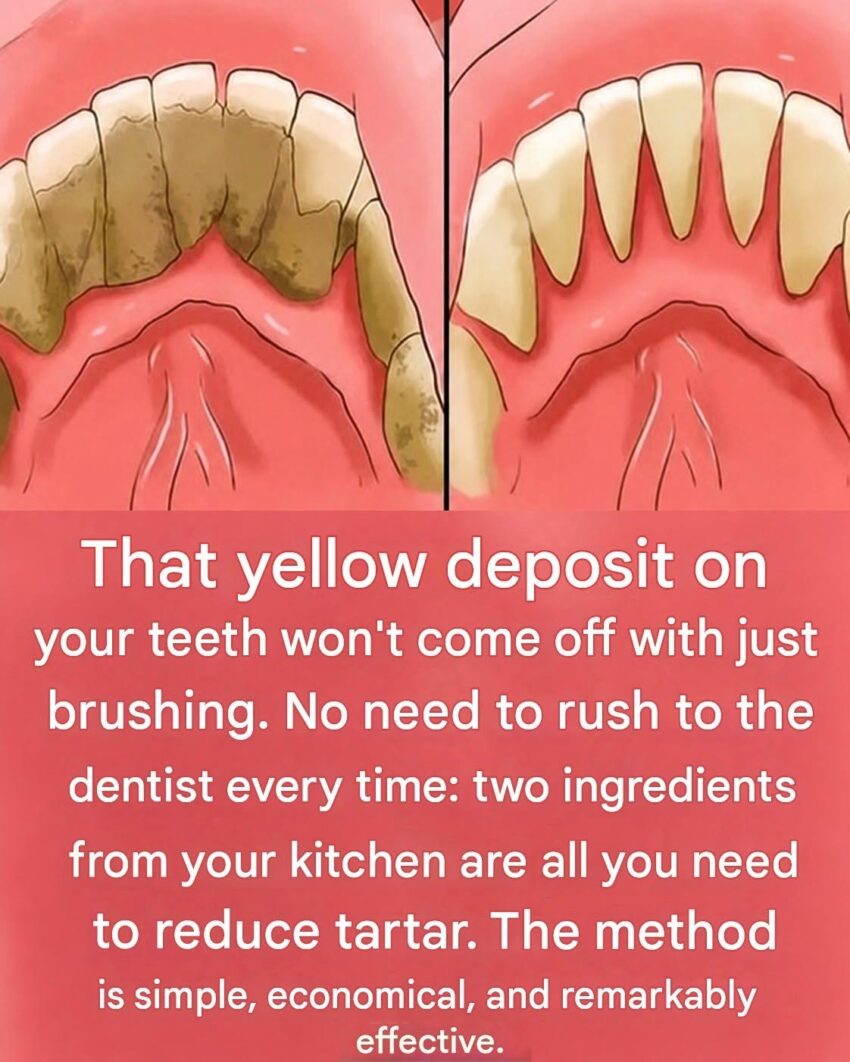
Learn how to prevent tartar buildup at home with proper brushing, flossing, and simple oral hygiene habits. Discover what works and when to visit a dentist.
Tartar buildup is a common dental problem that can affect your smile, breath, and gum health. It often begins as soft plaque, a sticky film of bacteria that forms on your teeth throughout the day. When plaque is not removed regularly, it can harden into tartar, also known as dental calculus.
Although you can manage plaque and help prevent new tartar from forming at home, hardened tartar cannot usually be removed safely with a toothbrush or household remedies. Professional dental cleaning is the most reliable way to remove it.
1. Brush Your Teeth Properly
Brushing twice a day with fluoride toothpaste is one of the most effective ways to prevent plaque from hardening into tartar.
- Use a soft-bristled toothbrush.
- Brush for two minutes each time.
- Gently clean along the gumline and behind your lower front teeth.
- Replace your toothbrush every three to four months, or sooner if the bristles become frayed.
Avoid brushing aggressively, as excessive pressure can damage your gums and tooth enamel.
2. Floss Between Your Teeth Every Day
A toothbrush cannot effectively reach every space between your teeth. Dental floss or an appropriately sized interdental brush helps remove plaque and trapped food from these areas.
Clean gently between each tooth once daily. If traditional floss is difficult to use, a water flosser may be another option.
3. Try an Antiseptic Mouthwash
An appropriate mouthwash can help control bacteria and support your oral hygiene routine. However, mouthwash does not dissolve established tartar.
Choose a fluoride mouthwash if you need additional cavity protection, and follow the product instructions. Avoid using strong antiseptic mouthwashes for extended periods without professional advice.
4. Limit Sugary Foods and Drinks
Bacteria in dental plaque use sugars to produce acids that contribute to tooth decay. Frequent sugary snacks and sweetened drinks can make oral health problems more likely.
Try to:
- Reduce frequent snacking on sweets.
- Drink water regularly.
- Rinse your mouth with water after meals when brushing is not possible.
- Choose balanced meals and limit sugary beverages.
These habits support healthier teeth and gums but will not remove tartar that has already hardened.
5. Be Careful With Baking Soda, Lemon, and Vinegar
Home remedies are often promoted as natural tartar removers, but many are ineffective or potentially harmful.
- Lemon juice and vinegar: Their acidity can erode tooth enamel.
- Scraping with metal tools: This can injure gums, scratch teeth, and cause infection.
- Charcoal or abrasive powders: These may wear down enamel and irritate gums.
- Baking soda: Some toothpastes contain it in carefully formulated amounts, but homemade mixtures should not be treated as a substitute for tartar removal.
Never attempt to chip hardened deposits off your teeth with sharp objects.
6. Know When Professional Cleaning Is Necessary
If you notice yellow or brown deposits that feel hard and rough, especially near the gumline or behind your lower front teeth, you may have tartar.
A dentist or dental hygienist can remove these deposits through professional scaling. Regular cleaning also allows the dental professional to check for gum inflammation, cavities, and other problems.
Seek dental advice if you experience bleeding gums, persistent bad breath, swollen gums, or gum recession.
Final Thoughts
You can take control of your oral health at home by brushing correctly, flossing daily, using suitable dental products, and reducing frequent sugar intake. These steps help control plaque and prevent additional tartar buildup.
However, there is an important distinction between removing soft plaque and removing hardened tartar. For existing tartar, professional dental cleaning is the safest and most effective solution.