Learn about sexually transmitted infections (STIs), how they spread through sexual contact, common symptoms, prevention methods, and when to seek medical advice.
Sexual health is an important part of overall well-being, yet many people feel uncomfortable discussing infections that can spread through intimate contact. Sexually transmitted infections (STIs) are common worldwide, and some can spread even when an infected person has no noticeable symptoms.
Understanding how these infections spread, recognizing possible warning signs, and knowing how to reduce the risk can help people protect their health and their partners.
1. Human Papillomavirus (HPV)
Human papillomavirus, commonly known as HPV, is one of the most common sexually transmitted infections. It can spread through intimate skin-to-skin contact, including sexual contact.
Many HPV infections cause no symptoms and clear naturally. However, certain types can cause genital warts, while others may lead to cancers, including cervical cancer.
Prevention: HPV vaccination can protect against several high-risk types. Condoms reduce the risk of transmission but cannot provide complete protection because HPV can affect skin not covered by a condom.
2. Genital Herpes
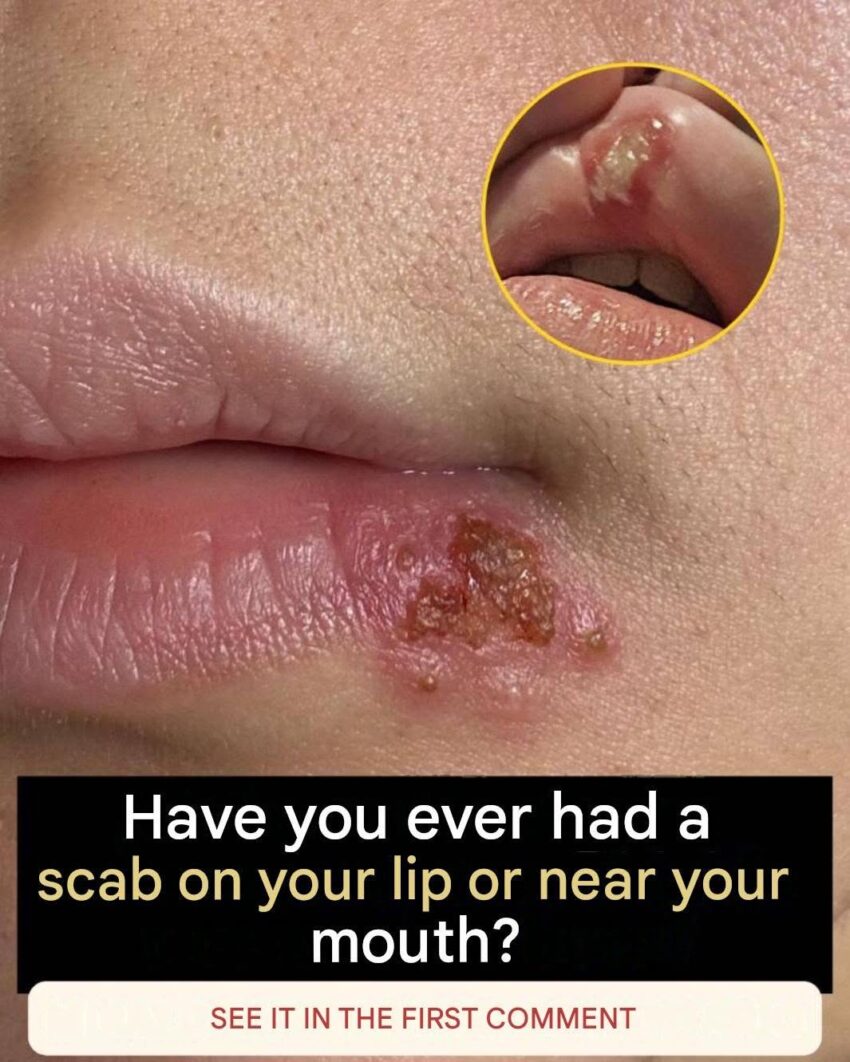
Genital herpes is caused by herpes simplex viruses, usually HSV-1 or HSV-2. It can spread through vaginal, anal, or oral sexual contact and direct contact with infected skin.
Possible symptoms include painful blisters, sores, itching, or tingling around the genitals. Some people have no visible symptoms but can still transmit the virus.
There is no treatment that eliminates herpes completely, but antiviral medicines can help control outbreaks and reduce transmission risk.
3. Chlamydia
Chlamydia is a bacterial infection that can spread through vaginal, anal, or oral sex. Many infected people do not experience symptoms.
When symptoms occur, they may include unusual genital discharge, burning during urination, pelvic pain, or bleeding between periods.
Untreated chlamydia can cause complications, including pelvic inflammatory disease and fertility problems.
Treatment: Chlamydia can usually be cured with prescribed antibiotics. Sexual partners may also need testing and treatment to prevent reinfection.
4. Gonorrhea
Gonorrhea is another bacterial STI that can affect the genitals, rectum, and throat.
Possible symptoms include painful urination, unusual discharge, pelvic discomfort, or testicular pain. However, many infections cause few or no symptoms.
Gonorrhea is treatable with antibiotics, but antibiotic resistance is an increasing concern. Medical testing and the correct prescribed treatment are important.
5. Syphilis
Syphilis is a bacterial infection that spreads through direct contact with infectious sores, usually during sexual activity.
An early sign may be a painless sore around the genitals, anus, or mouth. Later stages can involve a rash and other symptoms. Without treatment, syphilis can eventually damage the heart, brain, and other organs.
Syphilis can be cured with appropriate antibiotics, especially when treated early. Testing is important because the initial sore may go unnoticed.
6. HIV
Human immunodeficiency virus (HIV) affects the immune system. It can be transmitted through certain body fluids, including blood, semen, vaginal fluids, and rectal fluids, during specific sexual activities.
HIV does not spread through ordinary contact such as hugging, sharing food, or holding hands.
Although HIV currently has no widely available cure, effective treatment allows people with HIV to live long, healthy lives. When treatment maintains an undetectable viral load, HIV is not sexually transmitted (often summarized as U=U: Undetectable equals Untransmittable).
Condoms, appropriate testing, HIV pre-exposure prophylaxis (PrEP), and effective treatment can all play important roles in HIV prevention.
7. Trichomoniasis
Trichomoniasis is caused by a microscopic parasite and commonly spreads through sexual contact.
Many people have no symptoms. Others may notice genital irritation, discomfort during urination, or unusual discharge.
The infection is treatable with prescription medication. Sexual partners should also receive appropriate treatment to reduce the risk of passing the infection back and forth.
How Can You Reduce the Risk of Sexually Transmitted Infections?
Several practical steps can reduce the risk of infection:
- Use condoms correctly and consistently.
- Consider HPV and hepatitis B vaccination where appropriate.
- Get tested when recommended or after a possible exposure.
- Discuss STI testing with sexual partners.
- Complete prescribed treatment and follow medical advice about when it is safe to resume sexual activity.
- Avoid sexual contact when sores or other symptoms suggest a potentially transmissible infection until a healthcare professional provides guidance.
Remember that not every STI causes symptoms. Feeling healthy does not always mean a person is free from infection.
When Should You See a Healthcare Professional?
Seek medical advice if you notice unusual discharge, genital sores, a new rash, burning during urination, pelvic pain, or unexplained bleeding.
If you think you may have been exposed to HIV within the past 72 hours, seek urgent medical advice about post-exposure prophylaxis (PEP). It must be started within that time window, and sooner is better.
Pregnant people who may have an STI should contact their healthcare professional promptly because certain infections can affect pregnancy or be transmitted to the baby.
Final Thoughts
Sexually transmitted infections can affect people of any age who are sexually active. Some are curable, while others can be managed effectively with treatment. Early testing, accurate information, vaccination, and preventive measures can significantly reduce health risks.
There is no need to feel ashamed about seeking sexual health advice. A qualified healthcare professional can provide confidential guidance, testing, and treatment based on individual circumstances.
This article is for educational purposes only and is not a substitute for professional medical advice.