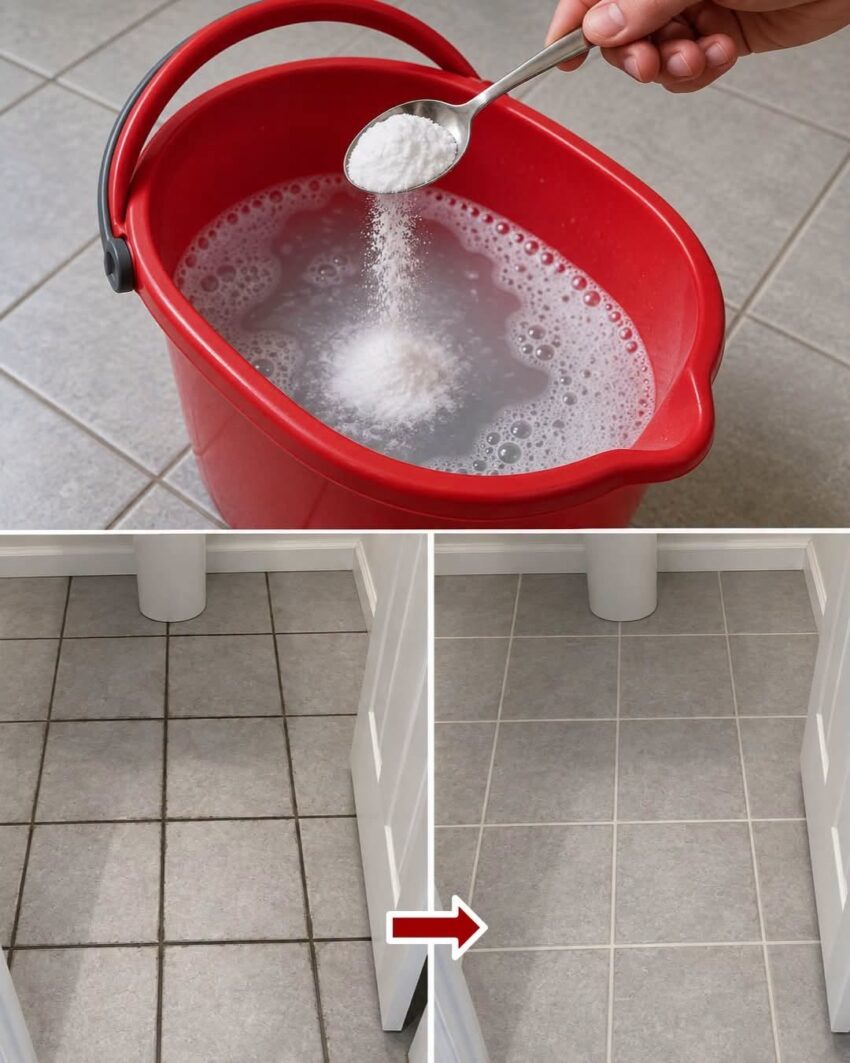
Learn how to remove black spots from floor grout using simple household cleaning methods. Discover how to tackle mold, mildew, and stubborn stains while keeping your grout clean and protected.
Black spots on floor grout can make even a freshly cleaned floor look dirty. These dark marks commonly appear between bathroom tiles, around showers, near kitchen sinks, and in other areas where moisture and dirt collect.
The good news is that many black spots can be removed with the right cleaning method. However, the best solution depends on whether the marks are caused by mold, mildew, soap residue, dirt, or damaged grout.
Why Do Black Spots Appear on Floor Grout?
Before cleaning, it helps to understand what you are dealing with.
- Mold and mildew: Often develop in damp bathrooms and poorly ventilated areas.
- Dirt and grease: Can become trapped in porous grout, especially in kitchens and busy hallways.
- Soap residue: May collect moisture and grime around bathroom tiles.
- Discolored grout: Sometimes the dark appearance is caused by staining within the grout rather than surface dirt.
If the black marks keep returning, check for leaks, standing water, poor ventilation, or damaged grout.
Method 1: Clean Grout with Baking Soda and Water
For ordinary dirt and surface stains, baking soda can provide gentle cleaning action.
What You Need
- 3 tablespoons of baking soda
- A small amount of water
- A soft nylon grout brush or old toothbrush
- A damp cloth
Instructions
- Mix the baking soda with enough water to form a thick paste.
- Apply a thin layer directly to the stained grout.
- Leave it for approximately 5–10 minutes.
- Gently scrub the grout with a nylon brush.
- Wipe away the paste with a damp cloth.
- Rinse the area with clean water and dry it thoroughly.
Test the mixture on a small, inconspicuous area first, especially if you have natural-stone tiles or colored grout.
This method can help remove surface grime, but it may not eliminate deeply embedded mold or permanent discoloration.
Method 2: Use a Suitable Grout Cleaner
If baking soda does not work, choose a commercial tile-and-grout cleaner that is compatible with your flooring.
- Read the product label carefully.
- Confirm that it is safe for your tile and grout type.
- Apply it according to the manufacturer’s directions.
- Scrub gently with a nylon brush if instructed.
- Rinse thoroughly when required.
- Dry the floor and improve ventilation.
Avoid abrasive metal brushes, which can damage grout and scratch some tile finishes.
Method 3: Treat Mold and Mildew Carefully
If the black spots appear in a consistently damp bathroom, mold or mildew may be contributing to the problem.
For small areas of surface mold, start with a suitable cleaner and mechanical scrubbing. If using a mold-specific product, follow its label and make sure the room is well ventilated.
Never mix bleach with vinegar, ammonia, toilet cleaner, acids, or other cleaning products. Dangerous gases can be released. Use only one product at a time, and rinse thoroughly before switching products.
Bleach may lighten some stains on compatible, light-colored grout, but it does not solve the underlying moisture problem and can damage certain materials or finishes. Avoid using it on natural stone unless the manufacturer specifically confirms it is safe.
If mold covers a large area, repeatedly returns, or appears to be growing beneath tiles, investigate the moisture source and consider professional help.
Method 4: What If the Black Spots Will Not Come Off?
Sometimes, the grout remains dark even after careful cleaning.
This can happen when:
- Mold or staining has penetrated porous grout.
- The grout is permanently discolored.
- The grout is cracked, crumbling, or separating from the tiles.
- Moisture is trapped underneath the flooring.
If the grout is damaged, cleaning alone may not be enough. A professional may need to repair or replace affected grout. Persistent mold should be addressed along with the moisture source.
How to Prevent Black Spots from Returning
Keeping grout dry is just as important as cleaning it.
- Open a window or use an exhaust fan after showering.
- Wipe standing water from bathroom floors.
- Repair leaking taps, pipes, and damaged seals.
- Clean spills and greasy residue promptly.
- Use a grout sealer if appropriate for your grout type and follow the manufacturer’s maintenance instructions.
- Avoid leaving wet bath mats or damp items on tiled floors for long periods.
Grout sealers can help reduce absorption, but they are not waterproofing substitutes and do not prevent every mold problem.
Final Thoughts
The easiest way to remove black spots from floor grout is to begin with gentle cleaning using baking soda and water, followed by a compatible grout cleaner if necessary. If the spots are caused by mold, controlling moisture is essential to prevent them from returning.
Do not use stronger chemicals simply because the first method fails. Identify the tile and grout material, choose a compatible cleaner, and protect yourself from chemical exposure.
A quick question: Are the black spots on your bathroom floor grout, kitchen floor grout, or grout between outdoor tiles? The safest and most effective method can differ depending on the location and tile material.