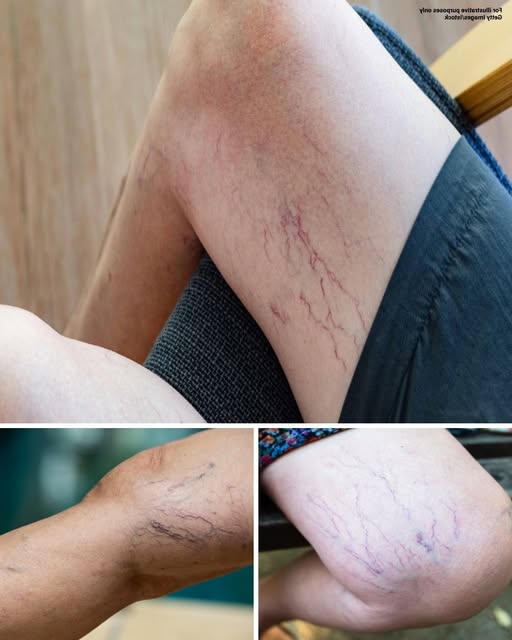
Purple veins on your legs can have several causes, including visible surface veins, spider veins, and varicose veins. Learn what they may mean, when to worry, and how to support healthy circulation.
Have you ever noticed purple or bluish veins appearing on your legs and wondered what they mean? You might see thin, web-like lines around your thighs, knees, or calves, or veins that look darker and more noticeable beneath your skin.
Although these veins can sometimes be associated with circulation problems, purple veins do not automatically mean that you have a serious health condition. Their appearance, location, and any accompanying symptoms can help explain what may be happening.
1. You May Have Visible Surface Veins
Some people naturally have more visible veins than others. Skin thickness, skin tone, genetics, and the amount of fat beneath the skin can all influence how easily veins can be seen.
Purple or blue veins may become more noticeable with age, after changes in body weight, or when the skin becomes thinner.
If the veins are flat, painless, and have been present for a long time, they may simply be normal superficial veins.
2. You May Have Spider Veins
<AsyncImageGroup query={[“spider veins purple red fine web like veins on leg close up medical photograph”,”small blue purple superficial veins on thigh skin clinical photograph”]} aspectRatio=”5:4″ layout=”bento”/>
Spider veins are small red, blue, or purple blood vessels that appear close to the skin’s surface. They often form thin branching or web-like patterns around the thighs, knees, and lower legs.
Possible contributing factors include:
- Family history and genetics
- Hormonal changes
- Pregnancy
- Age-related changes
- Prolonged standing or sitting
Spider veins are often harmless and primarily a cosmetic concern, although some people experience mild aching or discomfort.
3. You May Have Varicose Veins
<AsyncImage query=”varicose veins raised twisted blue purple veins lower leg clinical photograph” aspectRatio=”5:4″ width=”100%”/>
If your purple veins are enlarged, raised, twisted, or bulging, they may be varicose veins.
These develop when the valves inside veins do not work effectively, allowing blood to pool instead of flowing efficiently back toward the heart.
Possible symptoms include:
- Aching or heaviness in the legs
- Swelling around the ankles
- Itching around the affected veins
- Symptoms that worsen after standing for long periods
Varicose veins are common, but persistent pain, swelling, or skin changes should be assessed by a healthcare professional.
4. Pregnancy Can Make Leg Veins More Noticeable
Hormonal changes, increased blood volume, and pressure on pelvic veins during pregnancy can make veins more visible and increase the likelihood of varicose veins.
Many pregnancy-related vein changes improve after delivery, although some veins may remain visible.
If you are pregnant, do not dismiss new leg symptoms as ordinary pregnancy changes. Sudden swelling or pain in one leg, especially with warmth or redness, needs urgent medical assessment because pregnancy increases the risk of blood clots.
5. When Should You Be Concerned?
Purple veins alone are not usually an emergency. However, certain accompanying symptoms require attention.
Seek urgent medical care if you experience:
- Sudden swelling, pain, warmth, or redness in one leg
- A hard, painful vein that develops suddenly
- Bleeding from a vein that does not stop with firm pressure
If leg symptoms occur with chest pain, sudden shortness of breath, or coughing up blood, seek emergency medical help immediately.
6. What Can You Do to Support Healthy Leg Circulation?
If your veins are visible but you have no concerning symptoms, a few simple habits may help support circulation and relieve discomfort.
Walk regularly. Gentle walking activates the calf muscles, which help move blood back toward the heart.
Avoid staying in one position for too long. Move around regularly if you sit or stand for extended periods.
Elevate your legs. Resting with your legs raised may help relieve mild swelling.
Consider compression stockings when appropriate. They can help some people with venous symptoms, but ask a healthcare professional which type is suitable, particularly if you are pregnant or have other medical conditions.
Do not rely on creams or home remedies to remove veins. Products advertised as eliminating varicose or spider veins generally cannot correct the underlying vein problem.
Final Thoughts
If you have purple veins on your legs, it may mean that your superficial veins are simply visible, that you have spider veins, or that you have developed varicose veins. Their appearance alone cannot establish the cause.
Pay attention to whether the veins are flat or raised, whether they are painful, and whether swelling or skin changes occur.
The most important point: Purple veins do not automatically mean poor circulation or a dangerous disease. If they are new, painful, swollen, or changing rapidly, arrange a medical assessment rather than trying to diagnose the problem from their color alone.