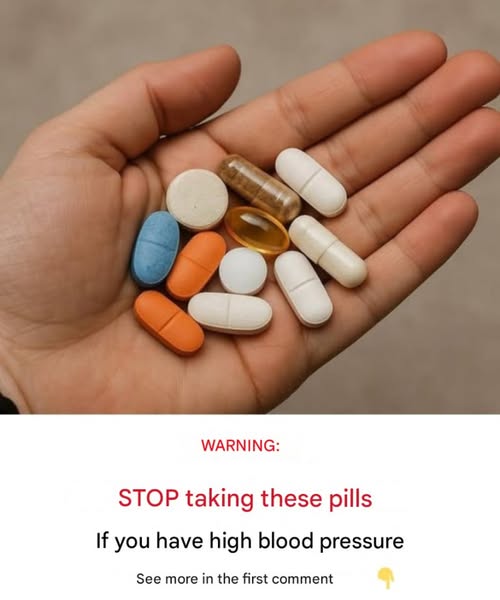
High blood pressure, also known as hypertension, affects millions of people worldwide. While prescribed medications help control this condition, some common medicines, over-the-counter products, and supplements can raise blood pressure or interfere with treatment.
You may not realize that certain painkillers, cold medicines, and even some herbal supplements can affect your blood pressure readings.
However, there is one important distinction: you should not stop taking a prescribed medicine on your own simply because you have high blood pressure. Some medications need to be reduced gradually, and suddenly stopping them can cause serious complications.
Instead, learn which medicines may require extra caution, what ingredients to look for, and when to speak with your doctor or pharmacist.
1. Certain Painkillers, Including Ibuprofen and Naproxen
Pain-relief medications are among the most common products people use without consulting a healthcare professional. Some medicines in a group called nonsteroidal anti-inflammatory drugs (NSAIDs) can increase blood pressure in certain people.
Examples include:
- Ibuprofen, commonly sold as Advil or Motrin.
- Naproxen, sold under several brand names.
- Indomethacin, which is prescribed for certain inflammatory conditions.
These medicines can cause the body to retain sodium and water and may affect kidney function. As a result, blood pressure may rise, and some blood pressure medications may become less effective.
What should you do?
If you have hypertension, ask your doctor or pharmacist whether your painkiller is appropriate, especially if you need it regularly. Do not automatically discontinue a prescribed pain medicine without discussing an alternative.
Source: Mayo Clinic, Medications and supplements that can raise your blood pressure.
2. Cold and Flu Tablets Containing Decongestants
Some cold and flu medicines contain ingredients that relieve a blocked nose by narrowing blood vessels. This can also increase blood pressure.
Check product labels for ingredients such as:
- Pseudoephedrine.
- Phenylephrine.
These ingredients can be particularly concerning for people with severe or uncontrolled hypertension.
Combination cold medicines may contain several active ingredients, so reading the label is essential.
A safer approach: Ask a pharmacist to help you select a suitable product. Saline nasal spray may help relieve nasal congestion without the same blood-pressure effects as decongestant medicines.
Do not assume that every cold medicine is unsafe; the ingredients matter.
3. Some Hormonal Birth Control Pills
Certain hormonal contraceptives, particularly those containing estrogen, can raise blood pressure in some people.
The risk depends on factors such as the type of contraceptive, existing blood pressure levels, age, smoking, and other medical conditions.
If you have hypertension, discuss your contraceptive options with your healthcare professional. They can help you decide whether your current method remains appropriate or whether another option would be safer.
Important: Do not discontinue contraception without considering the risk of an unintended pregnancy and discussing a suitable alternative.
4. Certain Steroid Medications
Corticosteroids, including prednisone and methylprednisolone, are used to treat a variety of inflammatory and immune-related conditions.
These medicines can sometimes increase blood pressure by affecting fluid balance and other processes in the body.
The risk depends on the medication, dose, duration, and your individual health.
If you take a prescribed steroid, do not suddenly stop it without medical advice. Some steroid treatments require gradual dose reduction to allow the body to adjust safely.
Your doctor may monitor your blood pressure and modify your treatment if necessary.
5. Some Herbal Supplements and Weight-Loss Pills
Products marketed as natural remedies, energy boosters, or weight-loss supplements are not automatically safe for people with high blood pressure.
Some products contain stimulants or ingredients that can increase heart rate and blood pressure. Examples of substances that warrant particular caution include ephedra and certain stimulant-containing weight-loss products.
Licorice root, including products containing substantial amounts of natural licorice, can also raise blood pressure and lower potassium levels.
Supplements may additionally interact with prescribed medications, making their effects less predictable.
Before taking a herbal product, weight-loss pill, or supplement marketed for circulation or energy, discuss its ingredients with your pharmacist or doctor.
6. Certain Antidepressants and Other Prescription Medicines
Some prescription medicines used for depression and other conditions can affect blood pressure.
The effects vary by medication. Certain antidepressants, particularly some serotonin-norepinephrine reuptake inhibitors and monoamine oxidase inhibitors, can increase blood pressure in some circumstances.
Other medicines may also interfere with blood pressure control.
If you take a medicine for depression, anxiety, pain, or another chronic condition, do not stop it suddenly because of a general warning online. Contact the prescribing clinician to discuss your blood pressure readings and whether any adjustments are needed.
7. Some Medicines Can Interact With Your Blood Pressure Treatment
The problem is not always that a particular pill directly raises blood pressure. Sometimes, a medicine or supplement changes how your prescribed treatment works.
For example, some painkillers can reduce the effectiveness of certain blood pressure medicines. Other products may affect kidney function, fluid balance, or electrolyte levels.
This is why your healthcare professional needs to know about everything you take, including:
- Prescription medicines.
- Over-the-counter painkillers.
- Cold and flu products.
- Vitamins and mineral supplements.
- Herbal teas and traditional remedies.
- Weight-loss and bodybuilding supplements.
Keeping a current list of your medications can help your doctor or pharmacist identify potential problems.
Symptoms of High Blood Pressure You Should Not Ignore
High blood pressure often causes no noticeable symptoms, even when readings are dangerously elevated. You cannot reliably determine your blood pressure from a headache, dizziness, or how you feel.
Use a properly fitted blood pressure monitor if you need to check your readings.
If your blood pressure is higher than 180/120 mmHg, wait at least one minute and measure it again. If it remains that high and you have chest pain, shortness of breath, weakness, numbness, changes in vision, or difficulty speaking, seek emergency medical care immediately.
If the repeat reading remains above 180/120 without these symptoms, contact a healthcare professional promptly for urgent guidance.
What Should You Do If You Have High Blood Pressure?
You can take several practical steps to help manage hypertension:
- Take prescribed blood pressure medication as directed.
- Check with your pharmacist before using new over-the-counter medicines.
- Reduce excessive sodium intake.
- Eat a balanced diet rich in vegetables, fruit, and other minimally processed foods.
- Monitor your blood pressure as recommended by your healthcare professional.
- Avoid smoking and discuss alcohol and caffeine intake with your clinician.
- Attend follow-up appointments and report any suspected medication side effects.
If a medicine appears to be raising your blood pressure, your doctor may adjust its dose, recommend an alternative, or change your blood pressure treatment. The correct approach depends on why you take the medicine and your overall health.
Final Thoughts
Some painkillers, decongestants, hormonal contraceptives, corticosteroids, and supplements can raise blood pressure or interfere with its control. Knowing which ingredients to watch for can help you make safer decisions about everyday medicines.
But the most important message is this: do not abruptly stop prescribed medication because of a general warning. Speak with your doctor or pharmacist before changing your treatment.
Managing high blood pressure requires the right combination of medication, monitoring, and lifestyle choices. With appropriate guidance, many people can control their blood pressure while continuing to receive the treatments they need.
Medical Disclaimer
This article is for general educational purposes and does not replace personalized medical advice. Medication risks vary from person to person. Consult a qualified healthcare professional before starting, stopping, or changing any medicine or supplement.