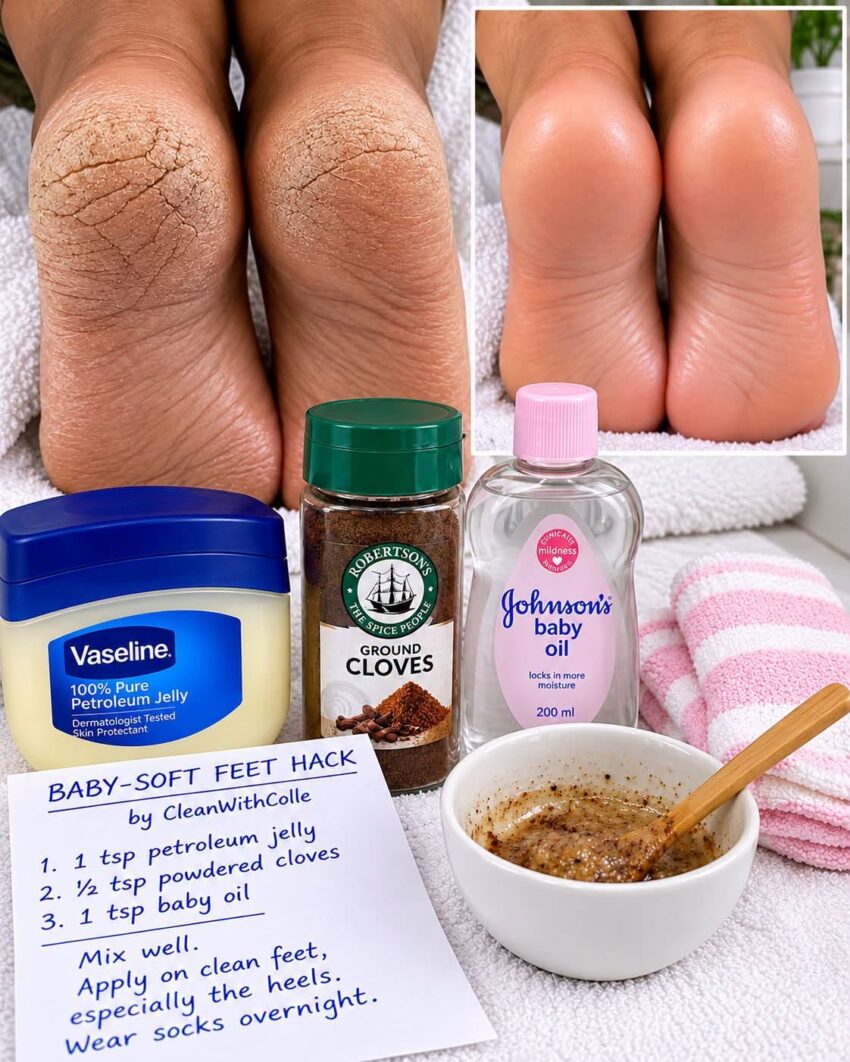
Discover simple ways to soften dry, rough heels at home. Learn how to moisturize cracked feet, remove dead skin safely, and keep your feet smooth with an easy foot-care routine.
Dry, rough heels can make your feet feel uncomfortable, especially when the skin becomes thick, flaky, or starts catching on socks and bedsheets. Changes in weather, frequent walking, standing for long periods, and wearing open-backed shoes can all contribute to dry skin on the heels.
The good news is that you do not need an expensive pedicure to give your feet some extra care. A simple routine using warm water, a gentle exfoliating tool, and a good moisturizer can help your heels feel softer and smoother over time.
Here is how to care for rough heels at home without damaging the delicate skin on your feet.
1. Start With a Warm Foot Soak
<text color=”secondary” size=”sm”>A gentle first step for dry, uncomfortable feet.</text>
<AsyncImage query=”feet soaking in a small basin of warm water at home foot care” aspectRatio=”16:9″ width=”100%”/>
A short soak can help soften hardened skin and make moisturizing easier.
What you need:
- A basin of comfortably warm water.
- A clean, soft towel.
- A fragrance-free moisturizer.
How to do it:
- Fill a basin with warm, not hot, water.
- Soak your feet for approximately 5–10 minutes.
- Gently pat them dry, paying attention to the spaces between your toes.
- Apply moisturizer while the skin is still slightly damp.
Avoid soaking for too long, as prolonged exposure to water can worsen dryness. If you have diabetes, reduced sensation in your feet, or poor circulation, avoid soaking your feet without medical advice.
2. Use a Pumice Stone Gently
<AsyncImage query=”pumice stone gently exfoliating rough heel during home pedicure” aspectRatio=”16:9″ width=”100%”/>
Thickened skin can make heels feel rough. Gentle exfoliation may help, but aggressive scrubbing can cause cuts, bleeding, and infection.
Follow these steps:
- Soften the skin with a brief warm-water soak.
- Use a clean pumice stone with light pressure.
- Move it gently over thickened skin without scrubbing until the area becomes red or sore.
- Rinse your feet and apply moisturizer.
Do not use blades, razors, or sharp tools to cut away hard skin. Avoid exfoliation altogether on cracked, bleeding, infected, or painful areas.
3. Apply a Thick Moisturizer
<AsyncImage query=”thick foot cream being applied to dry heel close up skincare” aspectRatio=”16:9″ width=”100%”/>
Moisturizing is one of the most important steps in improving dry heels.
Look for a foot cream containing ingredients such as:
- Urea: Helps soften thick, rough skin and retain moisture.
- Petrolatum: Creates a protective barrier that reduces water loss.
- Glycerin: Attracts and helps retain moisture in the skin.
- Ceramides: Support the skin’s protective barrier.
For ordinary dry heels, apply moisturizer at least twice daily, especially after bathing.
Creams containing 10–25% urea can help with thickened heel skin, but stronger products may irritate sensitive or broken skin. Do not apply them directly to open cracks.
4. Try the Overnight Moisturizing Method
<AsyncImage query=”clean cotton socks beside jar of moisturizing foot cream on bedside table” aspectRatio=”16:9″ width=”100%”/>
An overnight routine can help keep moisture in the skin while you sleep.
How to do it:
- Wash your feet gently and pat them dry.
- Apply a generous layer of plain petroleum jelly or a thick foot moisturizer to your heels.
- Put on clean, comfortable cotton socks.
- Wash your feet normally the following morning if needed.
Repeat nightly for several days and assess how your skin responds.
This method helps reduce moisture loss, but it will not heal every type of heel crack. Deep, painful, or infected cracks need medical attention.
5. Choose Shoes That Protect Your Heels
Footwear can make a significant difference in preventing dry heels from returning.
Shoes with cushioned soles and a supportive heel can reduce pressure on the skin. Avoid frequently wearing poorly fitting shoes or open-backed footwear if these make your heels rub or expand outward.
If your heels repeatedly develop thick, painful skin, a podiatrist or other qualified healthcare professional can help identify pressure-related causes.
6. Avoid These Common Foot-Care Mistakes
Some popular home remedies can make dry skin worse rather than better.
- Do not use lemon juice: Its acidity may irritate dry or cracked skin.
- Avoid undiluted vinegar treatments: These can cause irritation or chemical burns.
- Do not scrub aggressively: Excessive friction can damage the skin.
- Avoid very hot water: It can worsen dryness.
- Do not pull off peeling skin: This can create painful wounds.
Simple, consistent moisturizing is generally safer than combining several harsh ingredients.
How Long Does It Take to Get Softer Heels?
Mild dryness may improve within several days of regular moisturizing. Thickened skin and deeper heel cracks may take longer and sometimes require professional treatment.
Results depend on the severity of dryness, the footwear you use, and whether an underlying condition is contributing to the problem.
For lasting results, continue moisturizing even after your heels begin to feel smoother.
When Should You See a Doctor?
Seek medical advice if your heels have deep or bleeding cracks, increasing redness, swelling, warmth, discharge, or significant pain.
People with diabetes, poor circulation, or reduced sensation in their feet should avoid self-treating thick calluses or cracked skin and should seek professional foot-care advice.
Persistent dryness can sometimes be associated with eczema, psoriasis, fungal infections, or other skin conditions that require specific treatment.
Final Thoughts
Soft, comfortable heels do not require an elaborate beauty routine. A short warm-water soak, gentle care for thickened skin, and consistent moisturizing can help improve the appearance and feel of dry feet.
For an easy bedtime habit, apply a thick moisturizer or petroleum jelly to your heels and wear clean cotton socks. Avoid harsh scrubbing and sharp tools, and give your skin time to recover.
The secret to softer feet is consistency, not aggressive exfoliation.