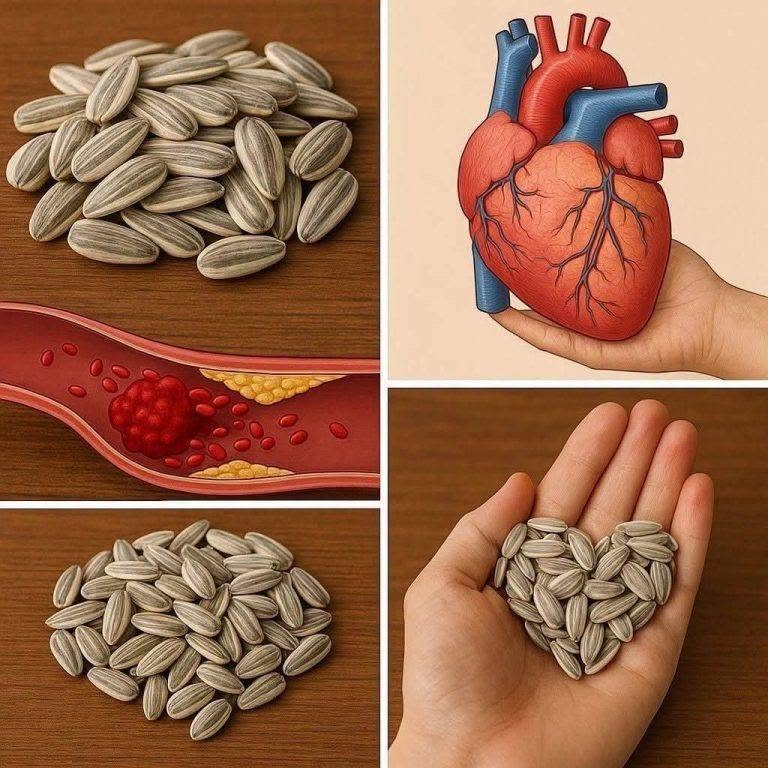
From omega-3-rich flaxseeds to magnesium-packed pumpkin seeds, different seeds offer different nutritional benefits. While no single food can prevent heart disease, incorporating these seeds into a balanced diet may help support healthy cholesterol levels, blood pressure, and overall cardiovascular health.
Let’s explore seven nutritious seeds, their potential benefits, and easy ways to enjoy them every day.
1. Flaxseeds
Flaxseeds are among the best-known seeds for heart-friendly nutrition. They contain alpha-linolenic acid (ALA), a plant-based omega-3 fatty acid, along with soluble fiber and lignans, which are natural plant compounds with antioxidant properties.
Potential heart health benefits
-
May help lower LDL cholesterol: Soluble fiber can help reduce cholesterol absorption in the digestive tract.
-
Provide plant-based omega-3 fats: ALA supports normal cardiovascular function.
-
May modestly support blood pressure: Some studies suggest that regular flaxseed consumption can help lower blood pressure, although results vary.
-
Support digestive health: Fiber helps maintain regular bowel movements and overall gut health.
How to eat them: Use ground flaxseeds in oatmeal, yogurt, smoothies, or whole-grain porridge. Ground flaxseeds are generally easier to digest than whole seeds.
Daily idea: Start with 1 tablespoon of ground flaxseeds and increase gradually as tolerated.
2. Chia Seeds
Chia seeds are rich in fiber, plant-based omega-3 fats, and minerals. When mixed with liquid, they absorb water and form a gel-like texture, making them useful for puddings, smoothies, and breakfast bowls.
Potential heart health benefits
-
Support healthy cholesterol levels: Their soluble fiber may help reduce LDL cholesterol as part of a balanced diet.
-
Provide ALA omega-3 fatty acids: These fats contribute to normal cardiovascular health.
-
May help with blood sugar management: Fiber can slow digestion and help moderate the rise in blood glucose after meals.
-
Promote fullness: Their fiber content may help you feel satisfied for longer.
How to eat them: Add chia seeds to overnight oats, yogurt, smoothies, or homemade pudding. Soak them before eating, especially if you are not accustomed to consuming them.
Daily idea: Try 1 tablespoon mixed into yogurt or soaked in milk.
3. Pumpkin Seeds
Pumpkin seeds, also known as pepitas, are rich in magnesium, unsaturated fats, plant-based protein, and other important nutrients. Magnesium plays a role in normal muscle function, nerve signaling, and blood pressure regulation.
Potential heart health benefits
-
Support normal blood pressure: Magnesium helps regulate blood vessel function.
-
Provide unsaturated fats: Replacing saturated-fat-rich snacks with seeds can improve the overall fat quality of your diet.
-
Contribute to healthy cholesterol levels: Their fiber and unsaturated fats can be useful components of a heart-friendly eating pattern.
-
Provide antioxidant nutrients: Pumpkin seeds contain compounds and nutrients that help protect cells from oxidative stress.
How to eat them: Sprinkle unsalted pumpkin seeds over salads, soups, oatmeal, or roasted vegetables. You can also enjoy a small handful as a snack.
Daily idea: About 1 ounce (28 grams) of unsalted pumpkin seeds makes a nutritious snack.
4. Sunflower Seeds
Sunflower seeds provide vitamin E, unsaturated fats, plant-based protein, and minerals. Vitamin E is an antioxidant that helps protect cells from oxidative damage.
Potential heart health benefits
-
Provide vitamin E: This antioxidant helps protect cell membranes from oxidative stress.
-
Support a heart-friendly diet: Their unsaturated fats can replace less healthy fats in meals.
-
Supply magnesium: Magnesium contributes to normal blood pressure regulation and muscle function.
-
Provide plant-based protein: Protein helps make meals and snacks more satisfying.
How to eat them: Choose unsalted sunflower seeds and add them to salads, homemade trail mix, whole-grain bread, or yogurt.
Daily idea: A small handful, approximately 1 ounce (28 grams), is a practical serving.
5. Sesame Seeds
Sesame seeds are tiny nutritional powerhouses that provide unsaturated fats, fiber, calcium, magnesium, and plant compounds called lignans. Tahini, a paste made from ground sesame seeds, is another convenient way to include them in your diet.
Potential heart health benefits
-
Provide unsaturated fats: These can support healthier blood lipid levels when they replace saturated fats.
-
Supply magnesium: This mineral contributes to normal blood pressure regulation.
-
Contain antioxidant plant compounds: Sesame lignans have been studied for their potential effects on lipid metabolism.
-
Add valuable nutrients to meals: Their mineral and fiber content contributes to overall dietary quality.
How to eat them: Sprinkle sesame seeds over vegetables, stir-fries, salads, and whole-grain dishes. Use tahini in hummus or a lemon-tahini dressing.
Daily idea: Try 1 tablespoon of sesame seeds or a small serving of tahini.
6. Hemp Seeds
Hemp seeds, often sold as hemp hearts when hulled, contain plant-based protein, unsaturated fats, magnesium, and both omega-6 and omega-3 fatty acids.
They have a mild, nutty flavor and a soft texture, making them easy to add to everyday foods.
Potential heart health benefits
-
Provide essential fatty acids: Hemp seeds contain ALA and linoleic acid, which contribute to normal body functions.
-
Support healthier fat intake: Their unsaturated fats can replace saturated fats in the diet.
-
Supply magnesium: This mineral plays a role in maintaining normal blood pressure and muscle function.
-
Offer plant-based protein: They can help make meals more nutritionally balanced.
How to eat them: Sprinkle hemp hearts over oatmeal, salads, soups, or smoothies. They can also be blended into sauces and homemade dressings.
Daily idea: Add 1–2 tablespoons to a meal.
7. Pomegranate Seeds
Pomegranate seeds, technically called arils, are juicy, colorful fruit portions containing fiber, potassium, and antioxidant polyphenols. Although they differ nutritionally from oil-rich seeds such as flax and pumpkin seeds, they are a useful addition to a heart-conscious eating pattern.
Potential heart health benefits
-
Provide antioxidant polyphenols: These compounds have been studied for their possible effects on cardiovascular health.
-
Contribute fiber: Eating the whole arils provides more fiber than drinking filtered juice.
-
Supply potassium: Potassium contributes to normal blood pressure regulation.
-
Add natural sweetness: They can make nutritious meals more appealing without needing added sugar.
How to eat them: Add fresh pomegranate arils to oatmeal, salads, yogurt, or fruit bowls.
Daily idea: Enjoy approximately ½ cup of fresh arils as part of a balanced meal or snack.
Quick comparison: Which seeds offer which nutrients?
| Seed | Notable nutrients | Potential heart-related benefit |
|---|---|---|
| Flaxseeds | ALA omega-3, fiber, lignans | May help support cholesterol and blood pressure |
| Chia seeds | ALA omega-3, fiber | Supports fiber intake and healthy dietary patterns |
| Pumpkin seeds | Magnesium, unsaturated fats | Supports normal blood pressure and healthy fat intake |
| Sunflower seeds | Vitamin E, unsaturated fats | Provides antioxidant nutrients and heart-friendly fats |
| Sesame seeds | Unsaturated fats, lignans, magnesium | Contributes to healthy dietary fat intake |
| Hemp seeds | ALA, linoleic acid, protein, magnesium | Supports essential fat intake and normal body functions |
| Pomegranate arils | Polyphenols, fiber, potassium | Adds antioxidant-rich fruit and nutrients to the diet |
How to include seeds in your daily diet
You don’t need to eat large amounts of every seed to benefit from their nutritional value. Small portions incorporated into regular meals are often the easiest approach.
Breakfast
Add 1 tablespoon of ground flaxseeds or soaked chia seeds to oatmeal or yogurt.
Lunch
Sprinkle pumpkin or sesame seeds over a salad, soup, or vegetable bowl.
Afternoon snack
Enjoy a small handful of unsalted sunflower seeds or a spoonful of hemp hearts with fruit.
Dinner
Finish a vegetable dish with sesame seeds or enjoy pomegranate arils in a fresh salad.
Important tips for eating seeds safely
-
Choose unsalted varieties: Many packaged seeds contain added sodium, which can contribute to high blood pressure when consumed excessively.
-
Watch portion sizes: Seeds are nutritious but calorie-dense. Small servings are generally sufficient.
-
Increase fiber gradually: Large amounts of chia or flaxseeds may cause bloating if you increase your intake too quickly.
-
Drink enough water: Fiber-rich seeds work best as part of a diet with adequate fluids. Always soak chia seeds or mix them thoroughly with liquid rather than swallowing a spoonful of dry seeds.
-
Consider allergies: Sesame is a recognized major food allergen in many countries. Avoid any seed that triggers an allergic reaction.
-
Check with your healthcare professional when needed: If you take blood-pressure medication, anticoagulants, or have a medical condition requiring dietary restrictions, ask whether significant changes to your seed intake are appropriate.
The bigger picture: Seeds alone aren’t enough
Although seeds can be valuable additions to a heart-healthy diet, their benefits depend on your overall eating pattern and lifestyle.
For better cardiovascular health, combine nutritious foods with:
-
Plenty of vegetables and fruits.
-
Whole grains and legumes.
-
Fish or other suitable sources of healthy fats.
-
Less sodium, processed meat, and excess saturated fat.
-
Regular physical activity.
-
Adequate sleep and avoidance of tobacco.
Seeds are not a replacement for prescribed medication or medical treatment. Evidence for specific benefits varies, and no seed has been proven to prevent heart disease on its own.
Final thoughts
Seeds may be small, but they offer a variety of nutrients that can help support cardiovascular wellness. Flaxseeds and chia seeds provide plant-based omega-3 fats and fiber, pumpkin seeds contribute magnesium, and sunflower, sesame, and hemp seeds offer beneficial fats and other essential nutrients. Pomegranate arils add fiber and antioxidant-rich plant compounds to the mix.
The simplest approach is to choose a few varieties you enjoy, eat them in moderate portions, and include them regularly in a balanced diet.
Remember: healthy habits practiced consistently matter more than any single superfood. ❤️