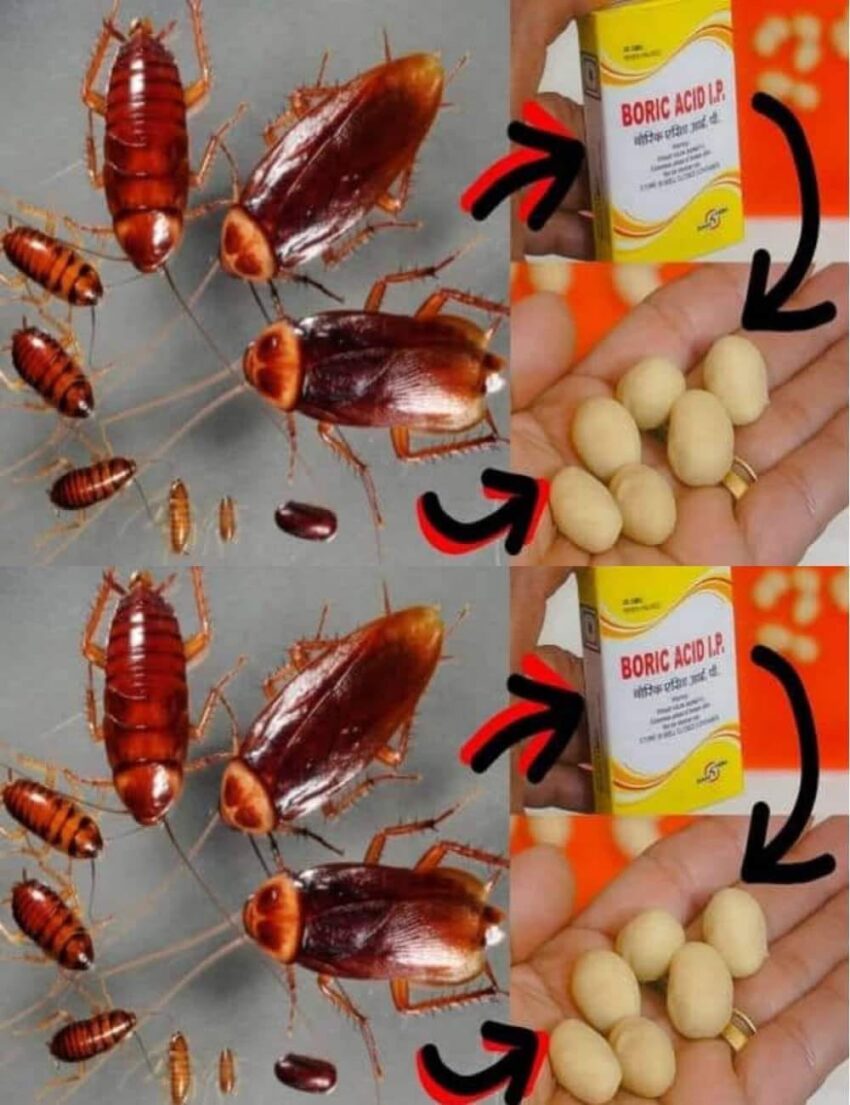
Discover practical ways to get rid of cockroaches, prevent infestations, and keep your kitchen clean. Learn which home remedies help, how to use cockroach baits safely, and when to call a pest-control professional.
Finding a cockroach crawling across your kitchen counter can be unpleasant, especially when you spot one near food, dishes, or cooking supplies. These pests are quick, persistent, and surprisingly good at hiding in small spaces.
The good news is that you do not need to panic. With a combination of thorough cleaning, moisture control, sealing entry points, and the right pest-control products, you can reduce cockroach activity and help prevent them from returning.
Although home remedies are popular, not all of them work reliably. Here is a practical guide to tackling cockroaches safely and effectively.
Why Do Cockroaches Enter Your Home?
Cockroaches are attracted to places that provide food, water, warmth, and shelter. Kitchens, bathrooms, cupboards, and spaces behind appliances can offer everything they need to survive.
Common reasons cockroaches appear indoors include:
- Food crumbs and grease left on surfaces.
- Uncovered rubbish bins.
- Leaking pipes or damp areas.
- Dirty dishes left overnight.
- Gaps around doors, windows, and plumbing.
- Cardboard boxes and clutter that provide hiding places.
- Cockroaches entering from neighbouring homes or shared drains and utility areas.
Even a clean home can experience a cockroach problem. In apartment buildings and shared housing, pests may move between neighbouring properties.
1. Remove Food Sources First
One of the simplest ways to make your home less attractive to cockroaches is to remove easy access to food.
Wipe kitchen counters after preparing meals, sweep crumbs from the floor, and clean grease from the area around your stove.
Store flour, rice, cereal, biscuits, pet food, and other dry goods in tightly sealed containers. Avoid leaving uncovered food on counters overnight.
Wash dishes promptly and clean beneath small appliances where crumbs can accumulate.
Helpful tip: Pay particular attention to the spaces under the refrigerator, stove, microwave, and kitchen cabinets. These areas are often overlooked during routine cleaning.
2. Eliminate Standing Water and Moisture
Cockroaches need water to survive, so controlling moisture can help make your home less suitable for them.
Check under sinks, around bathroom plumbing, and behind appliances for leaks. Repair dripping taps and leaking pipes when possible.
Wipe up standing water, dry wet sponges, and avoid leaving water pooled in trays or containers overnight.
If a cupboard remains damp, investigate the source rather than simply masking the smell. Persistent moisture may indicate a plumbing leak or ventilation problem.
Reducing moisture will not eliminate an established infestation on its own, but it supports other control methods.
3. Use Cockroach Bait Stations
Cockroach baits are often among the most effective options for controlling an infestation when used correctly.
Baits contain an insecticide mixed with food attractants. Cockroaches feed on the bait and may carry its effects back into hiding areas, helping control other cockroaches.
Place bait stations or approved gel bait in locations specified on the product label, such as near cracks, under sinks, behind appliances, and along cockroach travel routes.
Keep all baits away from children, pets, food-preparation surfaces, and places where they could be accidentally touched or eaten.
Important: Avoid spraying insecticide directly onto bait placements unless the product label specifically allows it. Repellent sprays can interfere with cockroaches feeding on the bait.
Follow the label directions and replace bait as instructed. Results may take several days or longer, depending on the product and severity of the infestation.
4. Seal Cracks and Hiding Places
Cockroaches can squeeze into small gaps around pipes, cupboards, baseboards, and doors.
Inspect areas where plumbing enters walls, gaps beneath doors, and cracks around cabinets. Seal suitable gaps with an appropriate sealant, and install door sweeps or repair damaged window screens where needed.
Avoid blocking essential ventilation openings or interfering with electrical equipment.
If cockroaches appear to be coming from shared walls, utility ducts, or neighbouring apartments, building-wide pest control may be necessary.
5. Try Sticky Traps to Find Where They Hide
Sticky traps do not usually eliminate a large infestation, but they can help you identify areas with the most cockroach activity.
Place traps along walls, beneath sinks, behind the refrigerator, and near other suspected hiding places. Keep them away from children and pets.
Check them regularly and replace them according to the manufacturer’s instructions.
If one trap repeatedly catches more cockroaches than others, focus your inspection and bait placement around that area.
6. Do Baking Soda and Sugar Really Work?
A popular home remedy combines baking soda with sugar, based on the idea that sugar attracts cockroaches while baking soda may harm them when ingested.
However, the effectiveness of this method is not well established, and it should not be relied upon to control a serious infestation.
Similarly, vinegar may help clean surfaces and remove food residue, but it is not a dependable method for eliminating cockroaches living in cracks and hidden spaces.
If you prefer to avoid unnecessary chemical exposure, start with sanitation, moisture control, sealing gaps, and monitoring traps. For an established infestation, a properly labelled cockroach bait is generally a more dependable choice than unverified kitchen remedies.
7. Be Careful With Boric Acid and Other Powders
Boric acid products may help control cockroaches when used correctly, but they are not harmless household ingredients.
Accidental ingestion or exposure can be dangerous, particularly for young children and pets. Loose powders can also become airborne if applied improperly.
Use only a product specifically labelled for cockroach control, and follow all application and safety instructions. Do not sprinkle powders on food-preparation surfaces, countertops, dishes, or places where children or animals may contact them.
Never mix different pesticides or use products in ways not described on their labels.
8. Keep Your Kitchen and Bathroom Clean
Regular cleaning reduces the food residues and moisture that support cockroach activity.
Try to maintain a simple routine:
- Wipe kitchen counters after cooking.
- Sweep or vacuum crumbs regularly.
- Empty rubbish bins before waste accumulates.
- Clean food spills immediately.
- Keep drains and surrounding areas clean.
- Dry sinks and wet bathroom surfaces when practical.
- Store food and rubbish in secure, closed containers.
Cleaning alone may not eradicate an infestation, but it makes baiting and other control methods more effective.
9. Avoid Relying on Strong-Smelling Oils
Some people use peppermint, eucalyptus, or other essential oils in an attempt to repel cockroaches.
Although certain oils may show repellent effects under specific conditions, they are not a reliable solution for eliminating an infestation in a home.
Essential oils can also irritate skin or airways and may be harmful to pets, depending on the oil and exposure.
If you use any scented product, keep it away from children, pets, food, and sensitive surfaces. Do not assume that a strong smell means cockroaches have been eliminated.
10. Know When to Call a Pest-Control Professional
If you continue seeing cockroaches despite cleaning, sealing gaps, and using bait correctly, professional pest control may be the best next step.
Consider professional help if:
- You see cockroaches during the day repeatedly.
- You find droppings or egg cases in multiple areas.
- Cockroaches keep returning after treatment.
- You live in a building with a shared infestation.
- You cannot safely reach hiding places behind appliances or inside structural gaps.
A qualified professional can identify the species, assess the extent of the infestation, and recommend an appropriate treatment plan.
How to Prevent Cockroaches From Returning
After reducing the infestation, prevention is essential.
Store food securely, repair leaks, remove clutter, and seal gaps where practical. Inspect grocery bags, deliveries, and second-hand cardboard boxes because cockroaches or their egg cases can occasionally be transported indoors.
Continue monitoring with sticky traps after treatment. If activity returns, act early instead of waiting for the infestation to grow.
Final Thoughts
Cockroaches can be frustrating, but a structured approach is more effective than panic or relying on a single home remedy.
Start by removing food and water sources, clean hidden areas, seal gaps, and use properly labelled cockroach baits when appropriate. Monitor the results and seek professional help if the problem persists.
Remember that eliminating an established infestation can take time, particularly when cockroaches are hiding in walls, appliances, or neighbouring properties.
The best strategy is simple: make your home less attractive to cockroaches, use effective control methods safely, and stay consistent with prevention.
Safety note: Always read and follow pesticide labels. Keep pest-control products away from children, pets, food, and cooking surfaces.