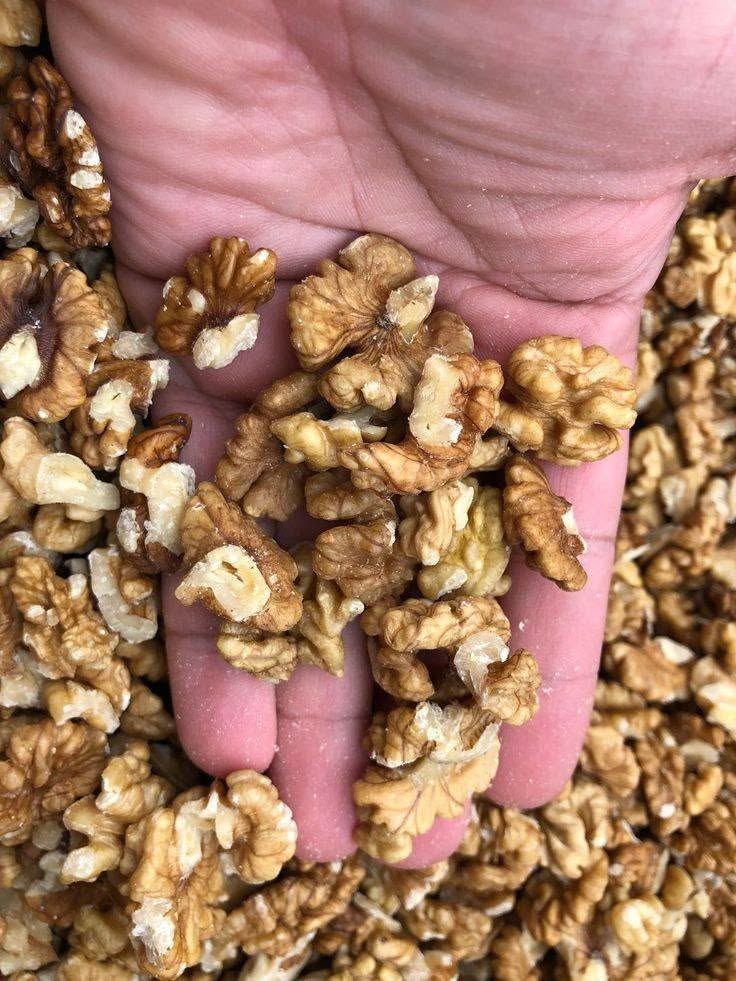
Nuts are small, but they are packed with nutrients. Almonds, walnuts, pistachios, cashews, peanuts, pecans, and hazelnuts can all be part of a healthy diet.
Because nuts are rich in unsaturated fats, protein, fiber, vitamins, minerals, and plant compounds, eating them regularly may offer several health benefits.
However, nuts are also calorie-dense, so portion size matters.
1. Nuts May Support Heart Health
One of the strongest reasons nuts are included in many heart-healthy eating patterns is their unsaturated fat content.
Replacing foods high in saturated fat with nuts and other sources of unsaturated fat may help support healthier cholesterol levels.
Walnuts are also a source of plant-based omega-3 fatty acid (ALA).
2. Nuts Can Help You Feel Full
Nuts contain a combination of:
- Protein
- Fiber
- Fat
This combination can make them satisfying and may help control hunger between meals.
For example, a small handful of unsalted almonds can be a more filling snack than many highly processed snack foods.
3. Nuts May Help With Weight Management
Despite being relatively high in calories, nuts can fit into a weight-management diet.
The important factor is portion size.
A practical serving is roughly one small handful, or about 1 ounce (28 grams).
Rather than adding nuts on top of your usual diet, consider using them to replace less nutritious snacks.
4. Nuts Provide Important Minerals
Different nuts contain different amounts of minerals.
For example:
Almonds: Particularly known for vitamin E and magnesium.
Cashews: Provide copper and magnesium.
Pistachios: Provide protein, fiber, potassium, and other nutrients.
Walnuts: Particularly notable for ALA omega-3 fatty acid.
Brazil nuts: Extremely rich in selenium, meaning only a small amount is needed.
5. Nuts Provide Antioxidant Compounds
Nuts contain various plant compounds with antioxidant activity.
Walnuts, pecans, almonds, and other nuts provide different combinations of polyphenols and other compounds.
Eating a variety of plant foods is generally more useful than focusing on one “superfood.”
6. Nuts Support Digestive Health
The fiber in nuts contributes to your overall daily fiber intake.
Fiber can help:
- Support regular bowel movements
- Promote digestive health
- Support beneficial gut bacteria
- Increase feelings of fullness
If you’re not accustomed to eating much fiber, increase your intake gradually to reduce the chance of bloating or digestive discomfort.
7. Nuts May Support Blood Sugar Control
Nuts are relatively low in carbohydrates and contain fat, protein, and fiber.
When eaten as part of a balanced meal, they can be a useful alternative to refined carbohydrate snacks.
However, nuts are not a treatment for diabetes, and sweetened or heavily processed nut products can contain significant amounts of added sugar.
8. Nuts Can Be Good for Your Brain
Nuts contain nutrients and plant compounds involved in overall health, including healthy fats, vitamin E, magnesium, and polyphenols.
Some observational research has associated nut consumption with better long-term health outcomes, but it would be an exaggeration to say that eating nuts alone prevents dementia or makes someone smarter.
A healthy brain benefits from an overall lifestyle that includes nutritious food, physical activity, adequate sleep, social engagement, and management of cardiovascular risk factors.
9. Nuts Can Support a Healthy Diet as You Age
As people get older, maintaining adequate protein, fiber, and micronutrient intake becomes increasingly important.
Nuts can be an easy way to add nutrients to meals without requiring much preparation.
Try adding them to:
- Oatmeal
- Yogurt
- Salads
- Smoothies
- Whole-grain cereal
- Vegetable dishes
Which Nuts Are Best?
There isn’t one nut that is universally “the healthiest.”
A variety is a good approach.
| Nut | Notable nutrients |
|---|---|
| Walnuts | ALA omega-3, copper |
| Almonds | Vitamin E, magnesium |
| Pistachios | Protein, fiber, potassium |
| Cashews | Copper, magnesium |
| Pecans | Unsaturated fats, antioxidants |
| Hazelnuts | Vitamin E, healthy fats |
| Peanuts | Protein, niacin, healthy fats |
| Brazil nuts | Very high in selenium |
An Important Warning About Brazil Nuts
More isn’t always better.
Brazil nuts contain exceptionally high amounts of selenium. Eating large quantities regularly can lead to excessive selenium intake.
A small amount is sufficient; you don’t need a handful every day.
Choose Unsalted Nuts When Possible
For everyday eating, consider:
- Raw nuts
- Dry-roasted nuts
- Unsalted nuts
Be cautious with nuts covered in:
- Sugar
- Chocolate
- Candy coatings
- Excessive salt
- Heavy flavor coatings
These additions can substantially change the nutritional profile.
Can You Eat Nuts Every Day?
For most people, yes. A small serving of nuts can be part of a healthy daily diet.
A common serving is around 28 grams (1 ounce).
Because nuts are calorie-dense, eating several large handfuls every day can add a significant amount of energy.
Who Should Avoid Nuts?
People with a tree-nut or peanut allergy should avoid the specific nuts that trigger their allergy. Allergic reactions can be severe or life-threatening.
Also, young children should be given nuts in an age-appropriate form because whole nuts can present a choking hazard.
The Bottom Line
Eating nuts regularly can be a nutritious habit. They provide healthy fats, protein, fiber, vitamins, minerals, and beneficial plant compounds, and they can fit well into a heart-conscious and balanced diet.
But nuts aren’t a miracle food.
The biggest benefits come from using them as part of an overall healthy eating pattern and choosing reasonable portions.
A small handful of unsalted nuts can be a simple upgrade to your daily diet—but more isn’t necessarily better.