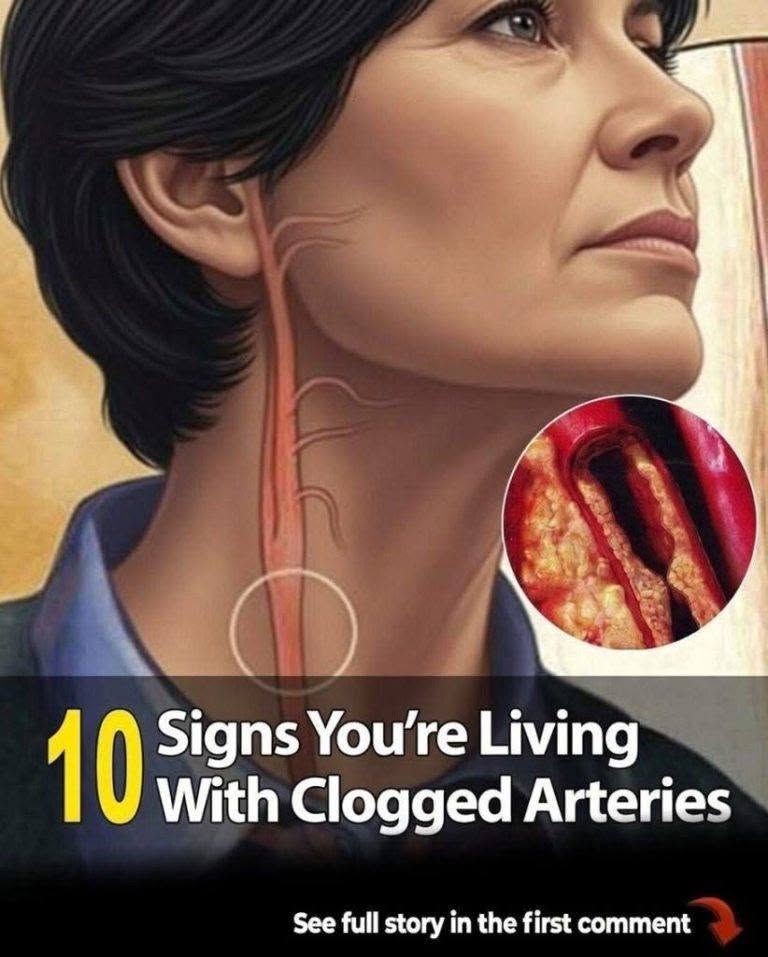
Blocked arteries are often associated with atherosclerosis, a condition in which fatty deposits called plaques build up inside blood vessels. Over time, plaque can narrow an artery and reduce blood flow.
The tricky part is that artery disease may cause no symptoms at all in its early stages. When symptoms do appear, they depend on which arteries are affected.
Knowing the warning signs can help you recognize when medical attention may be necessary.
1. Chest Pressure or Pain
Chest discomfort is one of the most important symptoms to take seriously.
Reduced blood flow to the heart can cause angina, which may feel like pressure, squeezing, heaviness, tightness, or discomfort in the chest.
It may occur during physical activity or emotional stress and improve with rest.
However, chest pain has many possible causes. It should never be assumed to be “just indigestion” without appropriate evaluation.
2. Shortness of Breath
If the heart isn’t receiving enough oxygen-rich blood, or if heart disease has affected its ability to function normally, you may experience shortness of breath.
Breathing difficulty can occur during activity and sometimes at rest.
Because shortness of breath can also result from lung disease, anemia, infections, and other conditions, medical evaluation is important when it is new, persistent, or worsening.
3. Pain or Weakness in the Legs While Walking
Blocked arteries supplying the legs can cause peripheral artery disease (PAD).
A classic symptom is aching, cramping, or tiredness in the calf, thigh, or buttock that develops while walking and improves after resting.
This pattern is called intermittent claudication.
It happens because exercising muscles need more blood, but narrowed arteries cannot provide enough.
4. Coldness in a Foot or Leg
Reduced circulation can make one foot or leg feel noticeably colder than the other.
Persistent differences in temperature, particularly when accompanied by pain, skin changes, or weak pulses, deserve medical assessment.
A cold limb can have causes other than artery disease, but significant circulation problems should not be ignored.
5. Slow-Healing Wounds on the Feet or Legs
Poor circulation can make it harder for wounds to heal.
A cut, blister, or sore on the foot or lower leg that takes unusually long to heal may be a warning sign of reduced blood flow.
This is particularly important for people with diabetes, who can have both circulation and nerve problems that increase the risk of foot complications.
6. Numbness or Weakness
Reduced blood flow to a limb can sometimes cause numbness, weakness, or unusual sensations.
However, numbness is more commonly associated with nerve-related problems and has many possible causes.
Sudden numbness or weakness, particularly on one side of the body, is an emergency warning sign for stroke and requires immediate medical attention.
7. Changes in Skin Color
Poor circulation can cause changes in the appearance of the skin.
Depending on the severity and location of the circulation problem, the skin may appear unusually pale, bluish, or otherwise different from normal.
A sudden color change accompanied by severe pain, coldness, numbness, or weakness can indicate an emergency.
8. Erectile Dysfunction
In some men, erectile dysfunction can be associated with blood-vessel disease.
Because the arteries supplying the penis are relatively small, problems with blood flow may sometimes become apparent there before more obvious cardiovascular symptoms develop.
Erectile dysfunction has many other causes, however, including medications, hormonal problems, psychological factors, and nerve disorders.
Persistent erectile dysfunction is worth discussing with a healthcare professional.
9. Dizziness or Fainting
Dizziness and fainting can occur for many reasons and are not specific signs of blocked arteries.
However, if they occur together with chest discomfort, shortness of breath, an irregular heartbeat, or other concerning symptoms, they warrant prompt medical evaluation.
Sudden neurological symptoms—such as difficulty speaking, facial drooping, or weakness on one side—require emergency care because they may indicate a stroke.
10. Unusual Fatigue or Reduced Exercise Tolerance
Some people with cardiovascular disease notice that activities they previously handled easily now leave them unusually tired or breathless.
For example, you might find yourself becoming exhausted while walking, climbing stairs, or doing routine household activities.
Fatigue is extremely nonspecific, so it does not prove that an artery is blocked. But unexplained, persistent changes in exercise tolerance deserve attention, particularly when accompanied by chest discomfort or breathlessness.
The Most Important Warning Signs: Don’t Wait
Some symptoms may indicate an acute blockage rather than a gradual narrowing.
Possible heart attack symptoms
Seek emergency medical care for symptoms such as:
- Chest pressure, squeezing, or pain
- Pain spreading to the arm, shoulder, back, neck, jaw, or upper abdomen
- Severe shortness of breath
- Cold sweating
- Nausea or vomiting
- Sudden unusual weakness
Heart attacks don’t always cause dramatic chest pain, particularly in some women, older adults, and people with diabetes.
Possible stroke symptoms
Remember FAST:
F — Face: One side of the face droops.
A — Arms: One arm becomes weak or numb.
S — Speech: Speech becomes slurred, confused, or difficult.
T — Time: Call emergency services immediately.
Do not wait for these symptoms to disappear.
Can You Have Blocked Arteries Without Symptoms?
Yes.
Atherosclerosis can develop for years without obvious warning signs.
That’s why cardiovascular risk factors matter even when you feel healthy.
Important risk factors include:
- High blood pressure
- High LDL (“bad”) cholesterol
- Diabetes
- Smoking
- Physical inactivity
- Excess body weight
- Increasing age
- Family history of cardiovascular disease
- An unhealthy diet
Managing these factors can reduce cardiovascular risk.
How Are Blocked Arteries Diagnosed?
Doctors don’t diagnose blocked arteries based solely on symptoms.
Depending on the suspected location and severity, evaluation may include:
- Medical history and physical examination
- Blood pressure measurement
- Cholesterol and blood-glucose testing
- Electrocardiogram (ECG)
- Ankle-brachial index for suspected peripheral artery disease
- Ultrasound
- CT or other vascular imaging
- Stress testing
- Coronary angiography in appropriate circumstances
The right test depends on the symptoms and the blood vessels involved.
How Can You Protect Your Arteries?
You can’t control every cardiovascular risk factor, but many can be improved.
Helpful habits include:
- Don’t smoke or use tobacco.
- Stay physically active.
- Eat a diet rich in vegetables, fruits, whole grains, legumes, and other minimally processed foods.
- Limit excessive saturated fat, trans fat, added sugar, and sodium.
- Maintain a healthy weight for your body.
- Keep blood pressure and cholesterol under control.
- Manage diabetes if you have it.
- Take prescribed medications as directed.
- Attend recommended medical checkups.
Final Thoughts
“Blocked arteries” don’t always announce themselves with obvious symptoms. When symptoms do occur, they can depend on whether the affected blood vessels supply the heart, brain, legs, or another part of the body.
Chest pressure, unexplained shortness of breath, exertional leg pain, slow-healing wounds, and sudden neurological symptoms should never be dismissed.
Most importantly, don’t wait for symptoms if you have significant cardiovascular risk factors. Prevention, regular medical care, and early treatment can make a major difference.
If you experience sudden chest pain, severe breathing difficulty, or signs of a stroke, seek emergency medical care immediately.