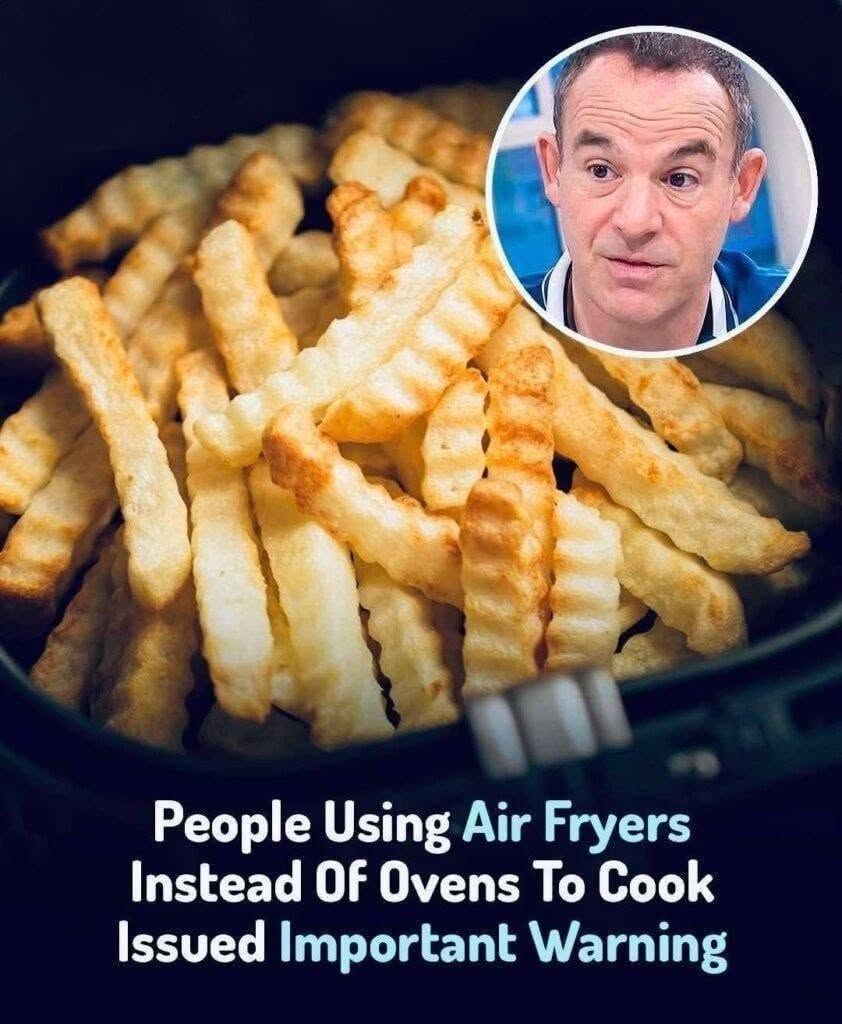
Air fryers have become a popular kitchen appliance because they can produce crispy food with little or no added oil. For many people, they are a convenient alternative to deep frying and can make cooking faster and easier.
But claims that you should stop using an air fryer and return to a conventional oven can make the issue sound more dramatic than the evidence supports.
It’s what food you’re cooking, at what temperature, for how long, and how dark or burnt it becomes.
1. An Air Fryer Isn’t Automatically Unhealthy
An air fryer essentially uses rapidly circulating hot air to cook food.
Because it can create a crisp surface without immersing food in oil, it can help reduce the amount of added fat compared with traditional deep frying.
That doesn’t automatically make every air-fried meal healthy.
For example, air-frying:
- Potatoes
- Chicken
- Vegetables
- Fish
is very different from regularly air-frying highly processed foods such as frozen fries, nuggets, sausages, or heavily breaded snacks.
The nutritional quality of the food itself still matters.
2. The Acrylamide Question
One reason people sometimes caution against high-temperature cooking is acrylamide.
Acrylamide can form naturally when certain plant-based foods are cooked at high temperatures. It is particularly associated with foods containing carbohydrates and the amino acid asparagine, including potato and grain products.
Importantly, this isn’t unique to air fryers.
The FDA notes that acrylamide can form during frying, roasting, and baking as well.
So replacing an air fryer with an oven does not automatically eliminate exposure.
3. Very Brown or Burnt Food Is the Bigger Issue
Cooking food until it becomes extremely dark or burnt can increase the formation of certain undesirable compounds.
For foods such as potatoes and bread, the FDA recommends aiming for a golden-yellow or light-brown color rather than very dark brown when trying to reduce acrylamide exposure.
This is a simple principle:
Crispy does not have to mean burnt.
If your food regularly comes out almost black, consider reducing the temperature, shortening the cooking time, or checking the food earlier.
4. Does an Oven Produce Less Acrylamide?
Not necessarily.
Acrylamide formation depends on several factors, including:
- Food type
- Temperature
- Cooking time
- Moisture
- Surface browning
- Preparation method
The FDA specifically notes that frying, roasting, and baking can all produce acrylamide, with the amount varying according to the cooking conditions.
Therefore, the statement “air fryers create dangerous chemicals but ovens don’t” is misleading.
Both appliances can involve high-temperature cooking.
5. What You Put Into the Air Fryer Matters More
Consider two meals:
Option A
Air-fried vegetables, fish, and potatoes with a small amount of oil.
Option B
Air-fried processed meat, heavily salted frozen snacks, and sugary dessert foods.
The appliance is the same, but the nutritional quality of the meals is very different.
If you want to make your air fryer part of a healthy diet, focus on foods such as:
- Fresh or frozen vegetables
- Fish
- Chicken
- Beans and legumes
- Potatoes prepared moderately
- Homemade foods with controlled amounts of salt and oil
6. Don’t Assume “No Oil” Means “Healthy”
One of the biggest marketing advantages of an air fryer is that you can cook crispy foods with much less oil than deep frying.
That’s useful—but it doesn’t transform processed food into a health food.
A low-oil frozen snack can still be high in:
- Sodium
- Refined carbohydrates
- Saturated fat
- Calories
- Added ingredients
The overall dietary pattern matters much more than whether the food came from an air fryer or an oven.
7. Air Fryers Can Actually Be Useful for Reducing Added Fat
Compared with deep frying, air frying can be a practical way to obtain a crisp texture while using less oil.
This can be particularly useful for people who enjoy fried-style foods but want to reduce their intake of added fats.
Instead of deep-frying potatoes, for example, you can toss them with a modest amount of oil and air-fry them until lightly golden.
The goal should be less unnecessary oil—not fear of the appliance itself.
8. Avoid Overcooking
Higher temperatures and longer cooking times can increase the formation of acrylamide in susceptible foods.
The FDA notes that acrylamide generally becomes more likely to accumulate when cooking occurs for longer periods or at higher temperatures.
Try these habits:
- Check food before the maximum cooking time.
- Avoid unnecessarily high temperatures.
- Don’t leave food cooking simply to make it darker.
- Shake or turn food when appropriate.
- Aim for golden rather than very dark browning.
- Follow the manufacturer’s instructions.
9. What About Cancer?
This is where online claims can become unnecessarily frightening.
Acrylamide has caused cancer in laboratory animals exposed to very high doses. Scientists consider dietary acrylamide a potential health concern, but the amount found in ordinary foods is much lower than the doses used in those animal experiments, and the precise risk to humans from dietary exposure remains uncertain.
The FDA does not advise people to stop eating foods simply because they are fried, roasted, or baked.
Instead, it recommends an overall healthy eating pattern and provides ways to reduce acrylamide exposure if consumers wish to do so.
10. How to Use an Air Fryer More Wisely
You don’t necessarily need to throw away your air fryer.
Instead:
Choose better ingredients
Use vegetables, fish, poultry, potatoes, and minimally processed foods more often.
Keep processed foods occasional
Frozen fries, nuggets, sausages, and similar products can fit into a diet occasionally, but they shouldn’t form the foundation of your meals.
Don’t chase extreme crispiness
Lightly browned food is preferable to heavily charred food.
Use less oil
A small amount of oil can improve texture without the large quantity required for deep frying.
Watch the salt
Air-fried food can still contain a lot of sodium if you use processed ingredients or add large amounts of salt.
Keep the appliance clean
Remove accumulated food residue and grease according to the manufacturer’s cleaning instructions.
Air Fryer vs. Oven: Which Is Healthier?
There isn’t a universal winner.
| Factor | Air fryer | Conventional oven |
|---|---|---|
| Added oil | Often less needed | Depends on recipe |
| Crispy texture | Excellent | Good |
| High-temperature cooking | Yes | Yes |
| Acrylamide potential | Possible | Possible |
| Best for | Small portions, quick meals | Larger meals, baking, roasting |
| Healthfulness | Depends on food and preparation | Depends on food and preparation |
The ingredient and cooking method usually matter more than the appliance itself.
The Bottom Line
You don’t need to be afraid of your air fryer.
There is no good basis for saying that everyone should stop using an air fryer and switch exclusively to a conventional oven.
Both air fryers and ovens use heat, and both can contribute to acrylamide formation in certain foods. The FDA specifically identifies frying, roasting, and baking as cooking methods in which acrylamide can form.
The smarter approach is to:
Choose nutritious foods, use reasonable cooking temperatures, avoid burning food, limit highly processed foods, and don’t rely on extreme browning for flavor.
An air fryer can be a perfectly reasonable part of a healthy kitchen—it is how you use it, not simply the appliance itself, that matters most.