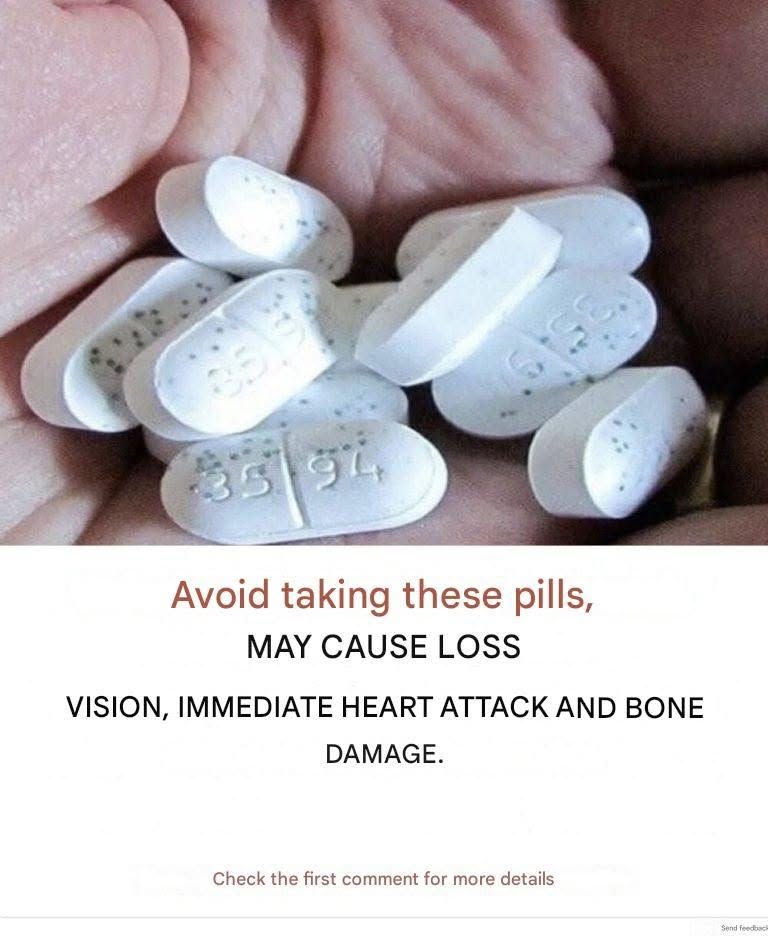
Medicines are designed to treat health problems and improve quality of life, but every medication can have potential side effects. In certain circumstances, some medicines may increase the risk of blood clots, heart attack, stroke, or other cardiovascular complications.
That does not mean that everyone taking these medicines will develop a blood clot or heart attack. The actual risk depends on the specific medicine, dose, length of treatment, age, medical history, and other risk factors.
For this reason, you should never stop a prescribed medicine simply because you read about a possible side effect online. Talk with your doctor or pharmacist before making changes to your treatment.
What Is a Blood Clot?
A blood clot is a mass of blood that has changed from a liquid to a more solid state. Clotting is normally an important protective process because it helps stop bleeding after an injury.
Problems can occur when a clot forms inside a blood vessel without an appropriate reason or travels to another part of the body.
A clot in a deep vein is called deep vein thrombosis (DVT). DVT commonly develops in the leg, although it can occur elsewhere. If part of the clot breaks away and travels to the lungs, it can cause a pulmonary embolism (PE), which can be life-threatening.
Which Medicines Can Increase Cardiovascular Risk?
There is no single list of “dangerous tablets” that applies to everyone. Different medicines have different effects.
Non-Aspirin NSAID Painkillers
Nonsteroidal anti-inflammatory drugs (NSAIDs) are commonly used to treat pain, inflammation, and fever.
The FDA warns that non-aspirin NSAIDs can increase the risk of serious cardiovascular thrombotic events, including heart attack and stroke. The risk can occur relatively early in treatment and may increase with higher doses or longer use.
Examples of NSAIDs include medicines containing ingredients such as:
- Ibuprofen
- Naproxen
- Diclofenac
- Other prescription or nonprescription NSAIDs
This does not mean that everyone taking an NSAID will experience a cardiovascular problem. The individual medicine, dose, duration, and patient’s health all matter.
Estrogen-Containing Medicines
Certain medicines containing estrogen, including some forms of hormonal contraception and hormone therapy, can increase the risk of blood clots in some people.
The risk can be influenced by factors such as age, smoking, obesity, previous blood clots, family history, pregnancy, recent surgery, and prolonged immobility.
Anyone taking an estrogen-containing medicine should discuss their individual risk factors with a healthcare professional rather than assuming the medicine is unsafe.
What About Aspirin?
Aspirin is an important example of why medication safety cannot be reduced to a simple “good” or “bad” list.
In certain people with cardiovascular disease, aspirin may be prescribed to reduce the risk of heart attack or clot-related stroke. However, aspirin can also cause serious bleeding, including bleeding in the stomach or brain.
Therefore, do not start taking daily aspirin—or stop taking it—without discussing it with a healthcare professional.
Who May Have a Higher Risk of Blood Clots?
A person’s overall risk can be affected by several factors. According to the CDC, risk factors can include:
- Older age
- Previous blood clots
- Family history of blood clots
- Recent surgery or hospitalization
- Prolonged immobility
- Certain cancers and cancer treatments
- Pregnancy or the period after pregnancy
- Estrogen-containing medicines
- Smoking
- Certain chronic medical conditions
Having one of these risk factors does not mean that a blood clot will definitely occur. It simply means that the person’s risk may be higher.
Warning Signs of a Blood Clot in the Leg
A DVT may cause symptoms in the affected leg or arm, including:
- Swelling
- Pain or tenderness that isn’t explained by an injury
- Warmth
- Redness or discoloration
Some people with DVT have no symptoms, so symptoms alone cannot reliably rule out a clot.
If you develop unexplained swelling or pain in one leg, particularly if it occurs suddenly, seek medical evaluation promptly.
Warning Signs of a Blood Clot in the Lungs
A pulmonary embolism can cause:
- Sudden difficulty breathing
- Chest pain or discomfort, particularly pain that worsens with deep breathing or coughing
- Rapid or irregular heartbeat
- Coughing, sometimes with blood
- Light-headedness or fainting
These symptoms require immediate medical attention.
Warning Signs of a Heart Attack
A heart attack occurs when part of the heart muscle does not receive enough blood.
Possible symptoms include:
- Pressure, pain, or discomfort in the chest
- Shortness of breath
- Pain or discomfort in one or both arms or shoulders
- Pain in the jaw, neck, or back
- Nausea
- Cold sweating
- Feeling unusually weak, dizzy, or light-headed
Some people, including some women, may experience less typical symptoms such as unusual fatigue or nausea.
If you think you or someone else may be having a heart attack, call your local emergency medical service immediately rather than waiting for the symptoms to disappear.
Should You Stop Your Medication?
No—never stop a prescribed medication solely because of an internet warning.
Stopping some medicines suddenly can itself be dangerous. Instead, contact your doctor or pharmacist and ask whether the medicine you’re taking could increase your cardiovascular or clotting risk.
Your healthcare professional can consider:
- The exact medication
- Your dose
- How long you’ve been taking it
- Your age
- Your medical history
- Other medicines or supplements you use
- Your personal and family history of blood clots
- Your cardiovascular risk factors
This individualized assessment is much more useful than a generic online list of “dangerous tablets.”
Keep a List of Everything You Take
Tell your healthcare professional about all medicines and supplements you use, including prescription medicines, over-the-counter painkillers, vitamins, and herbal products.
This is especially important when you take multiple medications because combinations can sometimes change the risks or effects of individual medicines.
The Bottom Line
Some medicines can increase the risk of cardiovascular complications or blood clots in certain people, but the risk varies significantly between medications and individuals.
Rather than being frightened by a headline, check the name of the medicine and discuss its risks and benefits with a qualified healthcare professional.
Most importantly, if you develop sudden difficulty breathing, chest pain, coughing up blood, fainting, or unexplained one-sided leg swelling and pain, seek urgent medical attention. Blood clots and heart attacks can be serious, and early treatment matters.
Medical Disclaimer
This article is intended for general educational purposes and does not replace professional medical advice. Do not start, stop, or change the dose of a prescription or over-the-counter medicine without consulting a qualified healthcare professional.