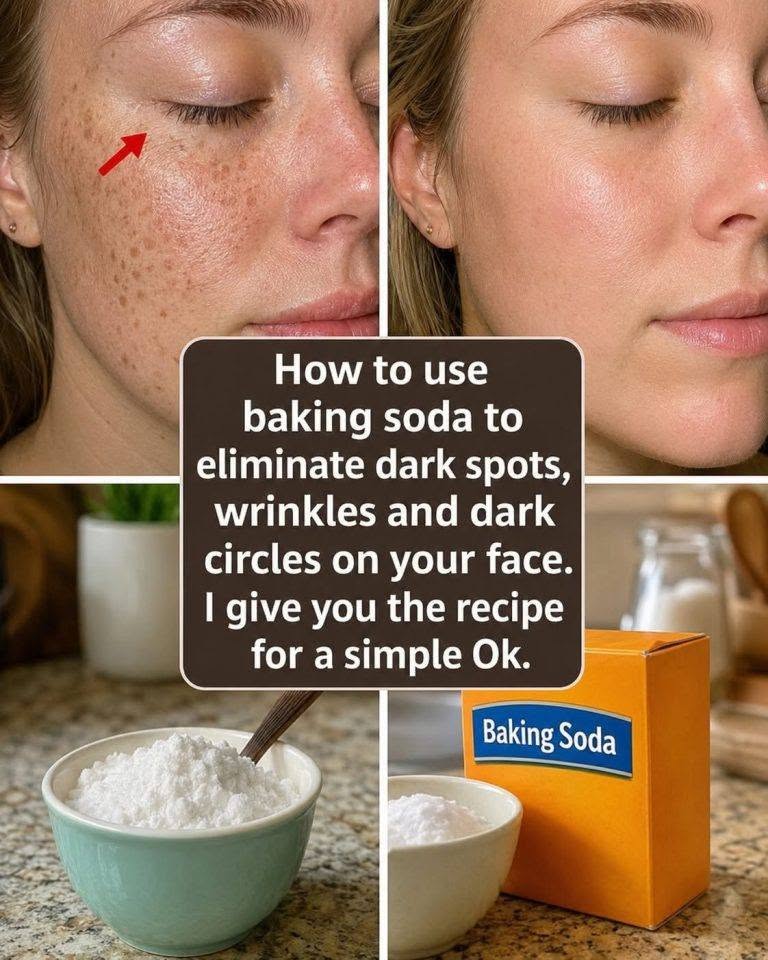
Learn safe and effective ways to reduce dark spots, wrinkles, and dark circles naturally. Discover skincare ingredients, daily habits, and dermatologist-recommended treatments for healthier-looking skin.
How to Remove Dark Spots, Wrinkles, and Dark Circles From Your Face
Dark spots, wrinkles, and under-eye circles are common skin concerns that can develop due to sun exposure, aging, genetics, dehydration, lifestyle factors, and changes in skin pigmentation. Many home remedies claim that ingredients such as baking soda can improve these concerns, but baking soda is not recommended as a facial treatment because it can irritate the skin and disrupt its natural protective barrier.
Instead of using harsh household ingredients, choose gentle skincare methods that are better suited to facial skin.
Can Baking Soda Remove Dark Spots, Wrinkles, or Dark Circles?
Baking soda is alkaline, while healthy skin has a naturally acidic surface known as the skin barrier or acid mantle. Applying baking soda directly to the face may cause dryness, irritation, burning, or increased sensitivity.
There is also no good evidence that baking soda can permanently remove wrinkles, fade pigmentation, or eliminate genetic under-eye circles.
If you have already used baking soda and your skin feels irritated, stop using it and switch to a gentle, fragrance-free moisturizer until the irritation settles.
How to Reduce Dark Spots
Dark spots are often associated with sun exposure and post-inflammatory hyperpigmentation. A consistent skincare routine can help improve their appearance over time.
1. Use Sunscreen Every Day
Daily sun protection is one of the most important steps for preventing dark spots from becoming darker.
Use a broad-spectrum sunscreen with SPF 30 or higher and reapply when appropriate, particularly when spending extended periods outdoors.
2. Consider Vitamin C
Vitamin C is a commonly used skincare ingredient that can help brighten the appearance of uneven skin tone and provide antioxidant protection.
Introduce it gradually if you have sensitive skin and stop using it if significant irritation occurs.
3. Try Niacinamide
Niacinamide, also known as vitamin B3, is another popular ingredient for improving the appearance of uneven pigmentation and supporting the skin barrier.
Look for a well-formulated facial product rather than applying homemade mixtures to your skin.
4. Avoid Picking or Scratching the Skin
Pimples, insect bites, cuts, and other forms of inflammation can sometimes leave darker marks behind. Avoid picking at blemishes and use gentle skincare products to reduce unnecessary irritation.
How to Reduce the Appearance of Wrinkles
Wrinkles are a normal part of aging, but certain habits can help minimize premature skin aging.
Protect Your Skin From the Sun
UV exposure is one of the major contributors to premature skin aging. Regular sunscreen use and protective clothing can help protect your skin.
Use a Moisturizer
A good moisturizer helps maintain the skin barrier and can temporarily make fine lines appear less noticeable by improving skin hydration.
Consider Retinoids
Retinoids, including retinol products available without a prescription in many locations, are among the better-studied topical ingredients for improving signs of photoaging.
Start slowly because retinoids can cause dryness and irritation. Follow product directions and use sun protection during the day.
How to Reduce the Appearance of Dark Circles
Dark circles have many possible causes, including genetics, pigmentation, visible blood vessels, shadows from facial anatomy, allergies, and lack of sleep.
Get Enough Sleep
Poor sleep can make under-eye darkness and puffiness appear more noticeable. Aim for a consistent sleep schedule and adequate rest.
Don’t Rub Your Eyes
Frequent rubbing can irritate the delicate skin around the eyes and may contribute to discoloration.
Treat Allergies if Necessary
Allergies can cause itching and rubbing around the eyes. If allergies are contributing to your symptoms, treating the underlying problem may improve the appearance of the area.
Use a Gentle Eye Product
A fragrance-free moisturizer or appropriately formulated eye product can help keep the delicate under-eye area hydrated.
Natural Ways to Support Healthy-Looking Skin
Rather than applying baking soda, lemon juice, toothpaste, or other harsh household ingredients to your face, focus on healthy skincare habits:
- Wear sunscreen every day.
- Use a gentle cleanser.
- Moisturize regularly.
- Avoid excessive exfoliation.
- Don’t pick at blemishes.
- Stay adequately hydrated.
- Eat a balanced diet.
- Get sufficient sleep.
- Avoid smoking.
When Should You See a Dermatologist?
Consider speaking with a dermatologist if a dark spot changes in size, shape, color, or appearance, especially if it develops suddenly or looks significantly different from your other spots.
A dermatologist can also help determine whether dark circles or pigmentation are caused by a specific skin condition and recommend treatments appropriate for your skin type.
Final Thoughts
Although baking soda is a popular ingredient in many DIY beauty remedies, it is not a proven or recommended treatment for dark spots, wrinkles, or dark circles. Its alkalinity can irritate facial skin and damage the skin barrier.
For healthier-looking skin, focus on proven basics such as daily sunscreen, gentle cleansing, regular moisturizing, and appropriate skincare ingredients. Persistent pigmentation, significant wrinkles, or stubborn under-eye circles may benefit from professional dermatological advice.