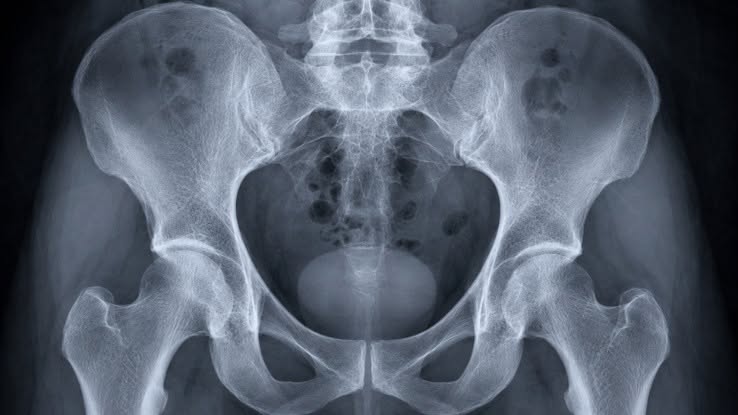
Learn the overlooked signs of a weakened pelvic floor in women, including urinary leakage, pelvic pressure, constipation, back pain, and discomfort during intimacy, plus when to seek professional help.
Weakened Pelvic Floor: Signs That Many Women Overlook
The pelvic floor is a group of muscles and connective tissues that support the bladder, bowel, and reproductive organs. These muscles also help control urination and bowel movements and contribute to sexual function.
When the pelvic floor becomes weak, overstretched, or poorly coordinated, symptoms may develop gradually. Because some of these symptoms can seem unrelated, many women don’t realize that their pelvic floor may be involved.
What Causes a Weak Pelvic Floor?
Pelvic floor problems can affect women at different stages of life. Common contributing factors include:
- Pregnancy and childbirth
- Aging and hormonal changes
- Repeated heavy lifting
- Chronic coughing
- Long-term constipation and straining
- Obesity or significant weight changes
- Previous pelvic surgery
- Certain connective-tissue conditions
- High-impact physical activity in some individuals
Having one or more risk factors does not necessarily mean that your pelvic floor is weak.
Signs of a Weakened Pelvic Floor
1. Urine Leakage
One of the most commonly recognized symptoms is accidentally leaking urine when coughing, sneezing, laughing, exercising, jumping, or lifting something heavy.
This is known as stress urinary incontinence.
Even occasional leakage is worth discussing with a healthcare professional, particularly if it is affecting your daily activities.
2. A Frequent or Urgent Need to Urinate
Some women experience urinary urgency, frequent trips to the bathroom, or difficulty controlling the urge to urinate.
These symptoms can have many causes, so they should not automatically be attributed to pelvic floor weakness.
3. A Feeling of Pelvic Pressure or Heaviness
A sensation of pressure, heaviness, dragging, or fullness in the pelvis—especially after standing for a long time—can sometimes be associated with pelvic organ prolapse.
Some women describe the sensation as feeling like something is “falling” or bulging in the vagina.
Persistent or new pelvic pressure should be evaluated by a healthcare professional.
4. Difficulty Controlling Bowel Movements
Pelvic floor muscles help control bowel function. Weakness or poor coordination may contribute to difficulty controlling gas or stool.
However, bowel-control problems can have many causes and deserve medical assessment rather than self-diagnosis.
5. Constipation or Straining
A pelvic floor that does not relax and coordinate properly can contribute to difficulty emptying the bowel.
Repeated straining can also place additional stress on the pelvic floor, potentially creating a cycle of symptoms.
6. Discomfort During Sexual Activity
Pelvic floor problems can sometimes be associated with discomfort during sexual activity.
Importantly, pelvic floor dysfunction does not always mean the muscles are simply “weak.” Some women have pelvic floor muscles that are overly tight or poorly coordinated.
Persistent pain during sex should be discussed with a healthcare professional because there are many possible causes.
7. Lower Back or Pelvic Discomfort
Some women with pelvic floor dysfunction experience pelvic, hip, or lower-back discomfort.
These symptoms are nonspecific, however, and can result from numerous musculoskeletal or medical conditions.
Can You Have Pelvic Floor Problems Without Urine Leakage?
Yes.
Urinary leakage is only one possible symptom. Pelvic floor dysfunction can involve weakness, excessive muscle tension, or problems coordinating the muscles.
Some women may notice pelvic pressure, bowel symptoms, sexual discomfort, or difficulty emptying the bladder without experiencing urine leakage.
Does Childbirth Always Weaken the Pelvic Floor?
Pregnancy and childbirth can place significant stress on the pelvic floor, but not every woman develops pelvic floor dysfunction after giving birth.
Recovery varies from person to person. Factors such as pregnancy, delivery method, tissue changes, and individual anatomy can all influence pelvic floor function.
If symptoms persist after childbirth, a healthcare professional or pelvic-floor physical therapist can assess the problem and recommend appropriate treatment.
How Is Pelvic Floor Dysfunction Treated?
Treatment depends on the specific problem.
A healthcare professional may recommend:
- Pelvic floor muscle training
- Pelvic-floor physical therapy
- Bladder or bowel training
- Lifestyle changes
- Treatment for constipation
- Management of contributing medical conditions
- Other treatments when appropriate
Pelvic floor exercises, commonly called Kegel exercises, can be helpful for some women, particularly when muscle weakness contributes to urinary incontinence. However, doing repeated contractions without knowing whether weakness or excessive muscle tension is the actual problem may not be appropriate for everyone.
A pelvic-floor specialist can help determine which exercises are suitable.
When Should You Seek Medical Advice?
Talk with a healthcare professional if you experience persistent:
- Urine or stool leakage
- Pelvic pressure or bulging
- Difficulty emptying your bladder or bowel
- Pelvic pain
- Pain during sexual activity
- Changes in bladder or bowel habits
Seek prompt medical care for sudden inability to urinate, severe pelvic pain, heavy unexpected bleeding, or new loss of bowel or bladder control, particularly when these symptoms occur suddenly or with other concerning symptoms.
Final Thoughts
A weakened or dysfunctional pelvic floor can cause symptoms that are easy to dismiss or attribute to aging, childbirth, or everyday stress. Urine leakage, pelvic pressure, bowel difficulties, and sexual discomfort are among the signs that may deserve attention.
The good news is that many pelvic floor problems can be managed effectively once the underlying cause is identified. If you recognize several of these symptoms, consider discussing them with a qualified healthcare professional rather than trying to diagnose yourself.