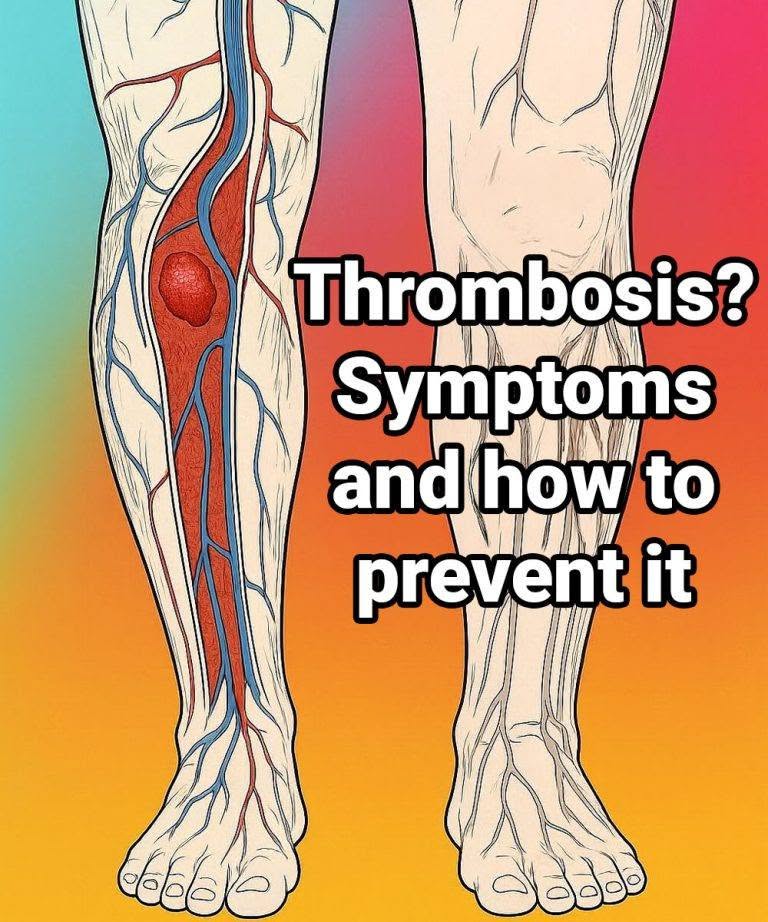
Thrombosis is a medical condition that occurs when a blood clot forms inside a blood vessel and interferes with normal blood flow. Depending on where the clot develops, thrombosis can cause serious health complications and may require immediate medical treatment.
Understanding the warning signs, knowing the risk factors, and adopting healthy lifestyle habits can help reduce the risk of developing blood clots.
What Is Thrombosis?
A blood clot is a thickened mass of blood that forms as part of the body’s natural response to bleeding. Normally, clotting helps prevent excessive blood loss when a blood vessel is injured. However, a clot that forms inside a blood vessel without an appropriate need can restrict or completely block blood flow.
Thrombosis can occur in either veins or arteries. One of the most commonly discussed forms is deep vein thrombosis (DVT), in which a clot develops in a deep vein, usually in the leg.
Another serious complication can occur when part of a clot breaks away and travels to the lungs. This is known as a pulmonary embolism (PE) and can be life-threatening.
Common Symptoms of Thrombosis
The symptoms of thrombosis can vary depending on the location and size of the clot. Some people may also have few or no noticeable symptoms.
Symptoms of Deep Vein Thrombosis
DVT commonly affects one leg. Possible symptoms include:
- Swelling in the leg, ankle, or foot
- Pain or tenderness, particularly in the calf
- A feeling of warmth in the affected area
- Red or discolored skin
- Leg discomfort that may become more noticeable when standing or walking
It is important to remember that these symptoms can also occur with other medical conditions. A healthcare professional may need to perform tests, such as an ultrasound, to determine whether a blood clot is present.
Signs of a Pulmonary Embolism
A pulmonary embolism can occur when a blood clot travels from another part of the body to the lungs. Symptoms may develop suddenly and require urgent medical attention.
Warning signs can include:
- Sudden difficulty breathing
- Chest pain, particularly pain that becomes worse with deep breathing
- Rapid or irregular heartbeat
- Coughing, sometimes accompanied by blood
- Severe dizziness or fainting
If these symptoms occur, seek emergency medical care immediately. A suspected pulmonary embolism should never be treated at home with dietary changes or supplements.
What Causes Thrombosis?
Blood clots can develop for several reasons. Risk increases when blood flow becomes slow or stagnant, when blood vessels are damaged, or when the blood has an increased tendency to clot.
Some common risk factors include:
- Sitting or lying down for long periods
- Long-distance travel
- Recent surgery or hospitalization
- Previous history of blood clots
- Certain types of cancer
- Pregnancy and the period after childbirth
- Some hormone-based medicines
- Smoking
- Obesity or being overweight
- Certain inherited blood-clotting conditions
- Increasing age
Having one or more risk factors does not necessarily mean that a person will develop thrombosis, but it may increase the likelihood.
How Can You Help Prevent Thrombosis Naturally?
Healthy lifestyle habits can help reduce some of the risk factors associated with blood clots. However, lifestyle measures cannot completely prevent thrombosis, particularly in people who have significant medical risk factors.
Stay Physically Active
Regular movement helps maintain healthy blood circulation. Walking, swimming, cycling, and other forms of regular physical activity can be beneficial for overall cardiovascular health.
If you spend many hours sitting, try to stand up and move around regularly. During long journeys, walk periodically when it is safe to do so and move your feet and ankles while seated.
Avoid Prolonged Immobility
Extended periods of inactivity can increase the risk of DVT. This can be particularly relevant after surgery, during hospitalization, or while traveling long distances.
If you are recovering from an illness or procedure, follow your healthcare professional’s advice about when and how to resume movement.
Maintain a Healthy Weight
Maintaining a healthy weight can support cardiovascular health and may reduce some factors associated with thrombosis. A balanced diet combined with regular physical activity is generally more sustainable than restrictive diets.
Drink Enough Fluids
Adequate hydration is important for general health. During travel, illness, or physical activity, make sure you drink appropriate amounts of fluid for your individual needs.
However, drinking water alone should not be considered a reliable method for preventing blood clots. Movement and appropriate medical prevention are more important when someone has an elevated risk.
Avoid Smoking
Smoking can damage blood vessels and is associated with cardiovascular problems. Quitting smoking is an important step toward improving overall vascular health.
Eat a Balanced Diet
A balanced diet rich in vegetables, fruits, whole grains, legumes, and appropriate sources of protein can support overall cardiovascular health.
There is no specific food that can reliably dissolve or prevent a dangerous blood clot. Claims about particular foods being “natural blood thinners” should therefore be approached with caution.
Are Natural Blood Thinners Safe?
Garlic, ginger, turmeric, and other foods or supplements are sometimes promoted as natural blood thinners. Although some substances may influence blood clotting, they should not be considered replacements for medically prescribed anticoagulant treatment.
Some supplements can also interact with anticoagulant medicines and potentially increase the risk of bleeding.
If you take blood-thinning medication or have a condition that increases your risk of thrombosis, speak with a healthcare professional before starting herbal products or supplements.
When Should You See a Doctor?
Seek medical advice if you develop unexplained swelling, pain, warmth, or discoloration in one leg, particularly if you have risk factors for DVT.
Emergency medical attention is necessary if symptoms such as sudden shortness of breath, chest pain, coughing up blood, severe dizziness, or fainting develop, as these may indicate a pulmonary embolism.
Final Thoughts
Thrombosis can range from a condition with subtle symptoms to a medical emergency. Recognizing potential warning signs and understanding your personal risk factors can help you seek appropriate care sooner.
Regular physical activity, avoiding prolonged periods of immobility, maintaining a healthy weight, not smoking, eating a balanced diet, and staying adequately hydrated can support overall vascular health. However, people at higher risk may require medical measures to prevent blood clots.
Most importantly, suspected thrombosis should not be treated solely with natural remedies. If you have symptoms that could indicate a blood clot, consult a healthcare professional promptly.