For many people, showering every day is simply part of a lifelong routine. But as we get older, our skin changes—and the bathing habits that worked perfectly well at 30 or 40 may not always be ideal at 65 or beyond.
Older skin tends to become thinner, drier, and more sensitive. Natural oil production can decrease, and the skin may not recover from irritation as quickly. As a result, very hot water, long showers, harsh soaps, and aggressive scrubbing can leave the skin feeling dry, itchy, tight, or irritated.
Does that mean people over 65 should stop showering every day?
Not necessarily.
The better message is that daily bathing should be tailored to your skin, health, activity level, and personal needs. For some older adults, a daily shower is perfectly reasonable. For others, showering less frequently—or making showers shorter and gentler—may help protect the skin.
Here’s what happens to your body and skin as bathing habits change with age.
1. Your Skin Naturally Becomes Drier
One of the biggest changes that occurs with aging is a reduction in the skin’s ability to retain moisture.
The skin produces natural oils that help maintain its protective barrier. As we age, oil production can decrease, making the skin more prone to dryness.
Frequent exposure to hot water and soap can remove some of those protective oils.
You may notice:
- Tight-feeling skin after showering
- Flaking
- Itching
- Rough patches
- Increased sensitivity
- Dry or cracked areas
If you already have naturally dry skin, a long, hot shower every day may make the problem worse.
2. Hot Water Can Be Especially Drying
The temperature of your shower may matter more than the number of showers you take.
A steaming-hot shower can feel wonderful, especially during cold weather. However, prolonged exposure to hot water can strip oils from the skin and contribute to dryness.
Instead of turning the water as hot as you can tolerate, aim for comfortably warm water.
A shorter shower with warm water is generally kinder to mature skin than a long, very hot shower.
3. Harsh Soap Can Damage the Skin Barrier
Soap is useful for removing dirt, sweat, oils, and microorganisms. But some soaps and heavily fragranced body washes can be irritating or drying.
This can be particularly noticeable in older adults whose skin barrier is already more fragile.
You don’t necessarily need to aggressively soap every inch of your body every day.
For routine bathing, focus cleansing on areas that tend to accumulate sweat, oils, or odor, such as:
- Armpits
- Groin
- Buttocks
- Feet
- Other visibly dirty or sweaty areas
A gentle, fragrance-free cleanser can be a better option for dry or sensitive skin.
4. Excessive Scrubbing Can Cause Irritation
Another common mistake is assuming that skin needs vigorous scrubbing to become properly clean.
Washcloths, loofahs, brushes, and exfoliating products can all create friction.
For aging skin, excessive scrubbing may contribute to irritation and tiny areas of skin damage.
You generally don’t need to scrub until your skin feels “squeaky clean.”
Clean doesn’t have to mean stripped of every trace of natural oil.
Gentle washing is usually enough for routine hygiene.
5. Daily Showers Don’t Necessarily Cause Harm
It’s important not to take the title of this article too literally.
There is no universal rule that people over 65 should stop showering every day.
A healthy, active 70-year-old who sweats heavily, exercises daily, works outdoors, or simply prefers a daily shower may have no reason to change the routine.
The issue is often how you shower, rather than simply how often.
A daily shower can be perfectly reasonable when it is:
- Short
- Warm rather than very hot
- Gentle
- Followed by moisturizer
- Adapted to your skin’s needs
6. Showering Less Frequently May Help Extremely Dry Skin
If your skin is consistently dry and irritated, reducing the frequency or duration of full-body showers may help.
Some people may find that alternating full showers with a gentle wash of key areas works well.
For example, you might take a complete shower on one day and use a targeted wash the next day if you haven’t been sweating or getting dirty.
However, personal hygiene needs vary considerably.
Someone with incontinence, excessive sweating, a wound, a skin condition, or another medical concern may need more frequent cleansing.
7. Moisturizer Becomes More Important
One of the simplest ways to protect aging skin is to moisturize after bathing.
Don’t wait until your skin becomes extremely dry.
After a shower, gently pat your skin dry rather than rubbing vigorously. Then apply a fragrance-free moisturizer while the skin is still slightly damp.
Creams and ointments often provide more moisture than very lightweight lotions.
Ingredients commonly used in moisturizers include:
- Ceramides
- Glycerin
- Petrolatum
- Hyaluronic acid
If a particular product stings or irritates your skin, stop using it and consider another formulation.
8. Very Long Showers May Be Unnecessary
Standing under warm water for 20 or 30 minutes can be relaxing, but it isn’t necessary for ordinary hygiene.
Long showers mean longer exposure to:
- Water
- Heat
- Cleansing products
- Steam
- Potentially irritating ingredients
Try keeping routine showers relatively brief.
The goal is effective hygiene without unnecessarily stressing the skin.
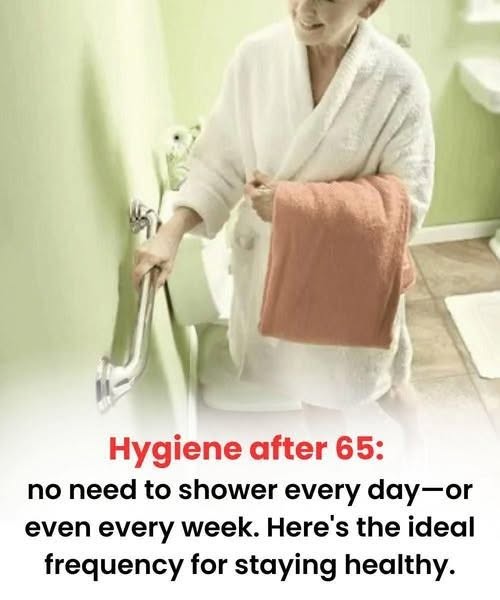
9. Older Adults May Be More Vulnerable to Bathroom Falls
There is another reason to reconsider unnecessarily long showers: bathroom safety.
Falls are a major concern among older adults.
Wet floors, slippery surfaces, getting in and out of a bathtub, dizziness, poor balance, and sudden changes in temperature can all increase the risk of falling.
Practical precautions include:
- Installing grab bars where appropriate
- Using nonslip surfaces
- Keeping the bathroom well lit
- Avoiding standing for unnecessarily long periods
- Using a shower chair if needed
- Keeping frequently used items within easy reach
- Taking your time when getting in and out of the shower
If you frequently feel dizzy while showering, especially when standing up, discuss it with your healthcare professional.
10. Shower Temperature Can Affect How You Feel
Very hot showers can cause blood vessels near the skin to widen. For some people, particularly those prone to dizziness or low blood pressure, prolonged exposure to heat may make them feel lightheaded.
This is another reason to avoid extremely hot showers.
If you feel:
- Dizzy
- Weak
- Faint
- Unusually short of breath
- Confused
during or after bathing, sit or lie down safely and seek medical advice if symptoms are severe, persistent, or recurring.
11. Your Shower Routine Should Depend on Your Lifestyle
There is no single bathing schedule that’s ideal for every person over 65.
Consider your daily activities.
If You’re Very Active
If you exercise, sweat heavily, swim, garden, or work physically, more frequent bathing may be appropriate.
If You’re Mostly Sedentary
If you spend most of your day indoors and don’t sweat much, you may not need a long, full-body shower every day.
If You Have Very Dry Skin
Shorter showers, less frequent full-body cleansing, warm rather than hot water, and regular moisturizing may be helpful.
If You Have a Skin Condition
Conditions such as eczema, psoriasis, or other dermatological problems may require a specific bathing routine recommended by a healthcare professional.
12. What About Hair Washing?
Hair doesn’t necessarily need to be washed every time you shower.
As people age, hair and scalp characteristics can change. Some people develop a drier scalp and may find that frequent shampooing causes additional dryness.
Others have oily scalps or medical conditions that require more frequent washing.
Rather than following a rigid schedule, consider your scalp, hair type, activity level, and any advice from your dermatologist or healthcare professional.
13. You Still Need Good Hygiene
Reducing shower frequency doesn’t mean neglecting hygiene.
Certain areas should be cleaned regularly, particularly:
- Hands
- Face
- Armpits
- Groin
- Feet
- Areas affected by sweat or incontinence
Dental hygiene is equally important.
Bathing is only one part of maintaining personal hygiene and overall health.
14. Don’t Forget About Skin Checks
Bathing provides an opportunity to notice changes in your skin.
As you wash and moisturize, look for:
- New or changing moles
- Persistent sores
- Unexplained bruises
- Cracks
- Rashes
- Redness
- Swelling
- Areas that don’t heal
Not every skin change is serious, but a new, persistent, painful, bleeding, or changing lesion should be evaluated by a healthcare professional.
How to Shower Safely After 65
A skin-friendly shower can be surprisingly simple.
Step 1: Use Warm Water
Avoid extremely hot temperatures.
Step 2: Keep It Relatively Short
There’s usually no need to spend a long time under running water.
Step 3: Choose a Gentle Cleanser
If your skin is dry or sensitive, consider a fragrance-free product.
Step 4: Don’t Scrub Aggressively
Use your hands or a soft cloth rather than vigorously exfoliating.
Step 5: Pat Your Skin Dry
Avoid rough rubbing.
Step 6: Moisturize Immediately
Apply a moisturizer while your skin is still slightly damp.
Step 7: Make the Bathroom Safe
Use appropriate nonslip measures and grab supports when needed.
So, How Often Should You Shower After 65?
There’s no magic number.
For some people, daily showers are completely fine.
For others, showering every other day or using shorter targeted washes between full showers may be more comfortable.
The best schedule depends on:
- Skin dryness
- Sweating
- Physical activity
- Incontinence
- Climate
- Personal preference
- Medical conditions
- Mobility
- Medication effects
- Advice from a healthcare professional
The important thing is not to follow an arbitrary rule simply because you’re over 65.
Instead, pay attention to how your skin responds.
Signs Your Shower Routine May Be Too Harsh
Your routine may need adjustment if you regularly experience:
- Persistent itching after bathing
- Tight or uncomfortable skin
- Flaking
- Cracking
- Burning or stinging
- Increasing redness
- Recurrent irritation
These symptoms can have causes other than bathing, so persistent or severe problems deserve professional evaluation.
The Bottom Line
Daily showers aren’t automatically harmful after 65.
The bigger concern is often a combination of hot water, long showers, harsh cleansers, aggressive scrubbing, and failure to moisturize.
As skin becomes drier and more sensitive with age, a gentler bathing routine may help preserve its protective barrier and reduce irritation.
If you enjoy showering every day and your skin is healthy, there’s generally no reason to abandon the habit simply because you’ve reached 65.
But if your skin is becoming increasingly dry, itchy, cracked, or irritated, consider turning down the temperature, shortening your shower, using gentler products, and moisturizing afterward.
And don’t forget the other side of bathing safety: preventing falls.
At any age—and especially as we get older—the best shower is not necessarily the longest or hottest one. It’s the one that keeps you clean, comfortable, moisturized, and safe.
Frequently Asked Questions
Is it bad for people over 65 to shower every day?
Not necessarily. Healthy older adults can shower daily if they tolerate it well. The main concern is excessive heat, prolonged bathing, harsh products, and aggressive scrubbing.
How often should seniors shower?
There is no universal schedule. Frequency should depend on activity, sweating, skin condition, personal preference, and health needs.
Is hot water bad for aging skin?
Very hot water can remove natural oils and worsen dryness and irritation. Warm water is generally a gentler choice.
Should older adults use soap every day?
A gentle cleanser can be used regularly, but there is usually no need to aggressively soap and scrub the entire body every day. Focus on areas that need cleansing and choose products appropriate for your skin.
How can I stop my skin from itching after a shower?
Try shorter showers with warm rather than hot water, avoid harsh fragrances and vigorous scrubbing, and apply a moisturizer immediately after gently patting the skin dry.
Can showers cause dizziness in older adults?
Heat and prolonged standing can contribute to dizziness in some people. If you frequently become dizzy during or after bathing, speak with a healthcare professional and consider improving bathroom safety.
Medical disclaimer: This article is for general educational purposes and does not replace personalized medical advice. Older adults with persistent itching, severe dryness, wounds, skin infections, dizziness, fainting, or other concerning symptoms should consult an appropriate healthcare professional.