9 foot symptoms you should never ignore, including persistent pain, swelling, numbness, wounds, skin changes, circulation problems, and difficulty walking. Learn what they could mean and when to seek medical care.
9 Foot Symptoms You Should Never Ignore: What They Could Mean
Your feet carry you through almost every part of your daily life, yet foot health is often overlooked until pain or discomfort becomes difficult to ignore. While occasional soreness after standing, walking, or exercising may be normal, certain foot symptoms can be signs of an underlying medical condition that requires professional attention.
Some problems may involve the bones, joints, muscles, tendons, nerves, blood vessels, or skin. In some cases, changes in your feet can even be an early warning sign of conditions such as diabetes, nerve disorders, circulation problems, or infection.
Knowing which symptoms deserve attention can help you seek appropriate treatment before a minor problem becomes a more serious one.
Here are nine foot symptoms you should never ignore and what they could potentially mean.
1. Persistent or Severe Foot Pain
Foot pain is one of the most common reasons people seek medical care. Mild discomfort after unusual physical activity may improve with rest, but persistent, worsening, or severe pain should not simply be ignored.
Pain can occur in different parts of the foot, including the heel, arch, toes, ball of the foot, or ankle. The location and character of the pain can provide important clues about its cause.
Possible causes include:
- Plantar fasciitis
- Stress fractures
- Arthritis
- Tendon injuries
- Ligament injuries
- Nerve irritation
- Gout
- Joint inflammation
- Overuse injuries
- Improper footwear
If foot pain continues despite rest or begins interfering with walking, work, exercise, or sleep, it is worth having the problem evaluated.
Sudden severe pain following an injury is particularly important. A fracture, dislocation, or significant soft-tissue injury may require prompt medical assessment.
2. Sudden Swelling or Significant Changes in Foot Size
Swelling can happen after an injury, prolonged standing, or strenuous activity. However, unexplained or persistent swelling deserves attention.
Foot or ankle swelling may be associated with:
- Sprains or other injuries
- Arthritis
- Tendon problems
- Infection
- Fluid retention
- Circulation problems
- Blood clots
- Certain heart, kidney, or liver conditions
Swelling in one foot that appears suddenly, especially when accompanied by pain, warmth, redness, or tenderness, should be evaluated promptly.
If swelling affects both feet and is persistent or accompanied by shortness of breath or other concerning symptoms, medical assessment is also important.
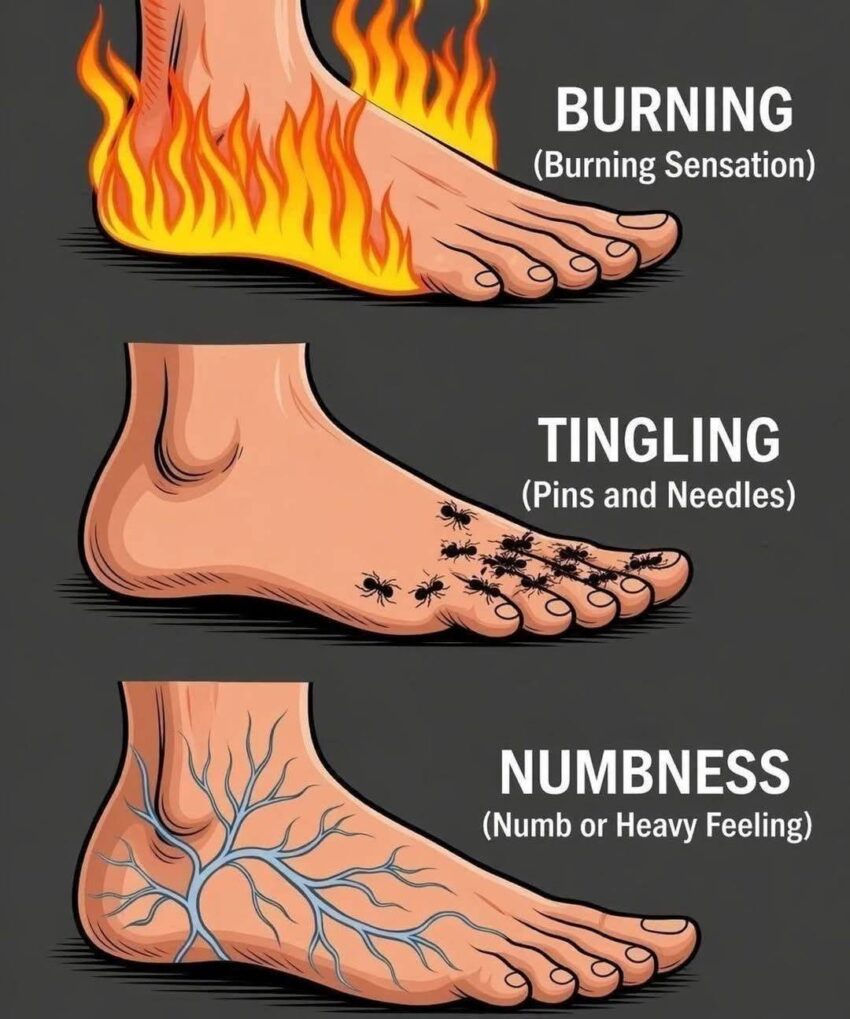
3. Numbness, Tingling, or Burning
Numbness, pins-and-needles sensations, or burning in the feet should not be dismissed, particularly when these symptoms occur repeatedly or gradually become worse.
These sensations can result from nerve irritation or damage. One important cause is peripheral neuropathy, which can occur in people with diabetes. Other possible causes include nerve compression, nutritional deficiencies, certain medications, alcohol-related nerve damage, and other neurological conditions.
People with diabetes should take new foot numbness especially seriously because reduced sensation can make it difficult to notice cuts, blisters, burns, or pressure injuries.
When sensation is reduced, a small wound may become infected before it is noticed.
Seek medical advice if numbness or burning:
- Persists or repeatedly returns
- Is getting worse
- Affects both feet
- Is associated with weakness
- Makes walking difficult
- Occurs alongside diabetes or another medical condition
4. A Wound or Sore That Does Not Heal
A small cut, blister, or sore on the foot should generally begin improving with appropriate care. If a wound remains open, repeatedly breaks down, or fails to heal, it should not be ignored.
Slow-healing foot wounds can occur because of poor circulation, diabetes, nerve damage, infection, or repeated pressure on the affected area.
This is particularly important for people with diabetes. Diabetes can affect both circulation and nerve function, increasing the risk of foot ulcers and making injuries harder to detect and heal.
Watch for signs such as:
- Increasing redness
- Swelling
- Drainage or pus
- Bad odor
- Increasing pain
- Warmth around the wound
- Fever
- Skin discoloration
- A wound that is becoming larger or deeper
A potentially infected or non-healing foot wound should be assessed by a healthcare professional rather than treated indefinitely at home.
5. Redness, Warmth, or Sudden Skin Changes
A foot that suddenly becomes red, warm, swollen, or unusually tender may be showing signs of inflammation or infection.
Possible causes include:
- Skin or soft-tissue infection
- Cellulitis
- Gout
- Arthritis
- Injury
- Inflammatory conditions
Some infections can progress quickly, especially in people with diabetes or poor circulation.
Redness that spreads, significant warmth, increasing swelling, drainage, fever, or rapidly worsening pain warrants prompt medical attention.
It is also important to pay attention to changes in skin color. Pale, bluish, purple, or unusually dark skin can sometimes indicate problems with circulation and should be evaluated, particularly if the change occurs suddenly.
6. A Sudden Change in the Shape or Appearance of Your Foot
A noticeable change in the shape of your foot should not automatically be considered a normal part of aging.
Changes can include:
- A newly developed bump
- Increasing toe deformity
- A collapsing arch
- Changes in the position of the toes
- A foot that appears wider or flatter
- Difficulty fitting into previously comfortable shoes
Conditions such as bunions, hammertoes, arthritis, tendon dysfunction, or other structural problems may cause these changes.
A gradual deformity can also alter the way pressure is distributed across the foot. This may eventually cause calluses, corns, pain, instability, or difficulty walking.
Early assessment can sometimes help slow progression and improve comfort.
7. Severe Heel Pain, Especially When It Keeps Returning
Heel pain is common, but recurring or severe heel pain deserves attention.
One of the most common causes is plantar fasciitis, which involves irritation of the tissue supporting the arch of the foot. People often experience pain around the bottom of the heel, particularly with the first steps after getting out of bed or after periods of rest.
Other potential causes include:
- Achilles tendon problems
- Heel stress injuries
- Nerve irritation
- Arthritis
- Bursitis
- Certain inflammatory conditions
The appropriate treatment depends on the cause. Rest, footwear changes, stretching, physical therapy, or other treatments may be recommended depending on the diagnosis.
If heel pain persists despite reasonable self-care or significantly affects your ability to walk, consider getting it evaluated.
8. Cold Feet or Changes in Skin Color
Feet that are occasionally cold are usually not a cause for concern. However, persistent coldness accompanied by changes in skin color, pain, numbness, or slow-healing wounds may indicate a circulation problem.
Reduced blood flow to the feet can occur with peripheral artery disease and other vascular conditions.
Potential warning signs include:
- Feet that remain unusually cold
- Pale or bluish skin
- Pain when walking that improves with rest
- Weakness or numbness
- Slow-healing wounds
- Reduced hair growth on the feet or lower legs
- Changes in the appearance of toenails
Circulation problems are important to identify because they can affect the health of the skin and tissues and may increase the risk of complications.
Sudden severe changes in circulation, such as a foot becoming extremely cold, pale, blue, or painful, require urgent medical evaluation.
9. Sudden Inability to Walk or Put Weight on Your Foot
If you suddenly cannot put weight on your foot or walk normally, do not try to simply push through the pain.
This can happen with injuries such as:
- Fractures
- Severe sprains
- Tendon injuries
- Ligament injuries
- Joint dislocations
- Significant inflammation
A serious injury may not always produce obvious bruising or dramatic swelling. Some stress fractures and other injuries can initially have relatively subtle external signs.
If the inability to bear weight follows an injury, prompt medical evaluation may be necessary to determine whether imaging or other treatment is required.
When Is Foot Pain an Emergency?
Not every foot problem requires emergency care, but certain symptoms should be treated as urgent.
Seek immediate medical attention if you experience symptoms such as:
- A severely injured or visibly deformed foot
- Sudden inability to walk after an injury
- Severe or rapidly worsening pain
- A foot that suddenly becomes cold, pale, blue, or unusually discolored
- A rapidly spreading infection
- Significant swelling accompanied by severe pain
- A deep wound or serious injury
- Signs of a severe infection, such as fever with rapidly worsening redness or swelling
People with diabetes, poor circulation, or significant nerve damage should be particularly cautious about foot injuries and infections.
Why Ignoring Foot Problems Can Make Them Worse
It can be tempting to ignore foot symptoms because many problems begin with mild discomfort. Unfortunately, delaying evaluation can sometimes allow an underlying condition to progress.
For example, continuing to walk on an injured foot can potentially worsen certain injuries. Likewise, ignoring a wound may allow an infection to develop, while untreated nerve or circulation problems can increase the risk of complications.
Your feet can also provide clues about your overall health. Changes in sensation, skin color, temperature, swelling, and wound healing can sometimes point to problems that extend beyond the foot itself.
How to Protect Your Foot Health
You can take several simple steps to reduce the risk of common foot problems.
Choose Properly Fitting Shoes
Shoes should provide enough room for your toes and should not cause persistent pressure or rubbing. Footwear should also be appropriate for the activity you are performing.
Inspect Your Feet Regularly
Look for cuts, blisters, swelling, redness, discoloration, cracks, sores, and changes in your toenails. Regular inspection is especially important if you have diabetes or reduced sensation.
Keep Your Feet Clean and Dry
Wash your feet regularly and dry them thoroughly, particularly between the toes. Moisture can contribute to certain skin problems and infections.
Avoid Ignoring Repeated Pain
If the same pain keeps returning, consider finding out why rather than repeatedly treating the symptoms without addressing the underlying cause.
Maintain a Healthy Level of Activity
Regular movement can support strength, flexibility, balance, and general health. However, increase exercise gradually and allow adequate recovery after strenuous activity.
Take Diabetes-Related Foot Symptoms Seriously
If you have diabetes, routine foot care and professional foot examinations can be an important part of preventing complications. Never assume that a small wound or area of numbness is harmless.
When Should You See a Foot Specialist?
Consider consulting a podiatrist or other qualified healthcare professional if foot symptoms are persistent, recurring, worsening, or affecting your ability to perform normal activities.
Professional evaluation may involve a physical examination and, when appropriate, imaging or other diagnostic tests. Treatment depends on the underlying cause and may include changes in footwear, activity modification, physical therapy, medication, wound care, or other interventions.
The sooner the cause of a persistent foot problem is identified, the easier it may be to prevent further problems.
Final Thoughts
Your feet can reveal more about your health than you might expect. Persistent pain, unexplained swelling, numbness, non-healing wounds, skin changes, deformities, circulation changes, severe heel pain, and difficulty walking should not automatically be dismissed as ordinary discomfort.
Some symptoms may have a relatively simple explanation, while others can be associated with conditions that require timely treatment.
Pay attention to changes in your feet, especially if symptoms are persistent, worsening, or accompanied by other concerning signs. When in doubt, professional medical evaluation is the safest way to determine what is causing the problem.
This article is intended for general educational purposes and should not replace an examination, diagnosis, or treatment plan from a qualified healthcare professional.