Oregano is more than a flavorful kitchen herb. Discover its potential antioxidant and antimicrobial properties, how to prepare oregano tea, and what science really says about its health benefits.
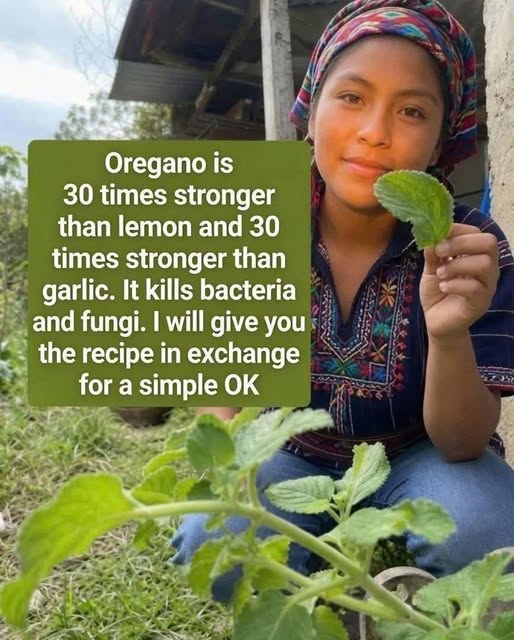
The viral image circulating online makes a dramatic claim: “Oregano is 30 times stronger than lemon and 30 times stronger than garlic. It kills bacteria and fungi.”
There is a small grain of truth behind the popularity of oregano, but the “30 times stronger” claim should not be taken literally. Oregano contains naturally occurring compounds that have demonstrated antioxidant and antimicrobial activity, particularly in laboratory studies. That does not mean oregano can replace antibiotics, antifungal medicines, or medical treatment.
Still, this fragrant herb can be a useful addition to a balanced diet.
What Is Oregano?
Oregano is an aromatic herb belonging to the mint family. It is widely used in Mediterranean and Middle Eastern cooking and is available fresh or dried.
One of its most studied compounds is carvacrol, along with thymol and other plant chemicals. These compounds contribute to oregano’s strong aroma and have been investigated for antioxidant and antimicrobial effects.
Interestingly, the chemical composition of oregano can vary depending on the species, growing conditions, harvesting time, and preparation method.
Does Oregano Really Kill Bacteria?
Oregano and oregano oil have shown antimicrobial activity in laboratory research.
However, there is an important difference between killing microorganisms in a laboratory experiment and treating an infection inside the human body.
The concentration needed to affect bacteria in laboratory conditions may not be achievable or safe through ordinary amounts of oregano eaten with food.
Therefore, oregano should not be considered a natural replacement for prescribed antibiotics.
If you have symptoms of a bacterial infection, proper medical evaluation and treatment are much more important than relying on an herb.
What About Fungi?
Oregano oil has also been investigated for activity against certain fungi in laboratory settings.
Again, this doesn’t mean drinking oregano tea or eating fresh oregano will cure a fungal infection.
Different fungal infections require different treatments, and some can become difficult to manage when treatment is delayed.
Oregano Is Rich in Plant Compounds
One reason oregano has attracted scientific interest is its concentration of naturally occurring phytochemicals.
These include compounds with antioxidant properties that may help protect cells from oxidative stress.
But it’s important to remember that antioxidant activity in a laboratory is not the same thing as proving that a food prevents or treats a particular disease in humans.
How to Make Oregano Tea
If you enjoy oregano, you can make a simple herbal infusion.
Ingredients
- 1–2 teaspoons dried oregano
- 1 cup hot water
- Lemon slice, optional
Directions
- Place the oregano in a cup.
- Pour hot water over it.
- Cover and allow it to steep for approximately 5–10 minutes.
- Strain.
- Add a little lemon if desired.
You can enjoy the drink occasionally as a caffeine-free herbal beverage.
There is no need to make the tea extremely concentrated.
Fresh Oregano vs. Oregano Oil
These should not be treated as the same thing.
Fresh or dried oregano is a culinary herb normally consumed in food.
Oregano essential oil is highly concentrated. It contains much higher concentrations of certain compounds than ordinary culinary oregano.
Because of that, essential oil requires considerably more caution.
Never assume that because oregano is safe as a food, concentrated oregano oil is automatically safe to swallow or apply directly to the skin.
Can Oregano Replace Medicine?
No.
This is one of the most important points to understand when reading viral health posts.
Oregano may have interesting biological properties, but there isn’t good evidence that it can replace:
- Antibiotics prescribed for bacterial infections
- Antifungal medicines
- Prescription treatments
- Medical care for serious infections
Using herbs as a substitute for necessary treatment can allow an infection to become worse.
Possible Ways to Use Oregano
For most people, the easiest and safest way to enjoy oregano is simply as a food.
Try adding it to:
- Tomato sauces
- Soups
- Roasted vegetables
- Eggs
- Grilled chicken
- Fish
- Salads
- Beans
- Homemade pizza
- Mediterranean-style dishes
This allows you to enjoy its flavor without relying on exaggerated medicinal claims.
A Word About the “30 Times Stronger” Claim
The statement that oregano is “30 times stronger than lemon and 30 times stronger than garlic” doesn’t have a simple scientific meaning.
Stronger in what way?
Antioxidant capacity? Antimicrobial activity? A particular laboratory test? A specific chemical compound?
Without defining the measurement and comparing equivalent preparations, such a number is misleading.
Lemon, garlic, and oregano contain different nutrients and plant compounds, so ranking them as one being “30 times stronger” isn’t a meaningful general health comparison.
When Should You Be Careful?
Oregano used in normal culinary amounts is generally different from concentrated supplements or essential oil preparations.
Be particularly cautious with concentrated oregano products if you:
- Take regular medications
- Have a medical condition
- Have allergies to herbs in the mint family
- Are pregnant or breastfeeding
- Plan to use oregano oil internally
- Want to use oregano to treat an infection
If you’re considering concentrated oregano oil or supplements, speaking with a doctor or pharmacist first is sensible.
The Bottom Line
Oregano is a flavorful herb with interesting antioxidant and antimicrobial properties, and scientific research continues to investigate its potential benefits.
But the viral claim that oregano is “30 times stronger” than lemon and garlic is not a reliable general health statement.
Enjoy oregano as part of a varied diet, but don’t use it as a substitute for appropriate medical treatment.
The real power of oregano isn’t that it is a miracle cure—it’s that this small, flavorful herb contains a fascinating collection of natural plant compounds that researchers are still studying.