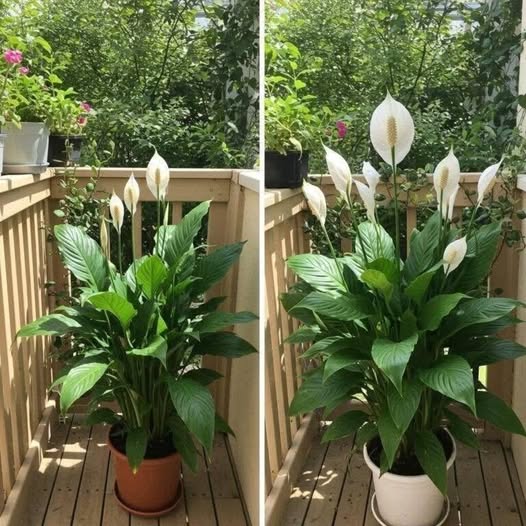
Want your peace lily to produce more flowers? Learn what really encourages peace lilies to bloom, including the right light, watering, feeding, humidity, and a simple homemade care routine.
Peace lilies are among the most popular houseplants because their glossy green leaves and elegant white flowers can brighten almost any room. But there is one common frustration: a healthy-looking peace lily may produce plenty of leaves while refusing to bloom.
This has led to countless viral gardening recipes promising that one cup of homemade liquid will make a peace lily explode with flowers.
The reality is more practical. There is no single magic cup that guarantees nonstop blooming, but a simple liquid fertilizer or properly diluted nutrient solution can help a peace lily if the real problem is inadequate nutrition.
More importantly, light is often the biggest factor.
Why Your Peace Lily May Not Be Blooming
Before adding anything to the soil, look at the plant’s growing conditions.
A peace lily may fail to flower because of:
- Insufficient light
- Too much direct sunlight
- Incorrect watering
- Poor drainage
- Lack of nutrients
- Very old or depleted potting soil
- Root problems
- Temperature stress
- An overly large pot
If the plant is producing healthy green leaves but no flowers, inadequate light is one of the first things worth checking.
The “One-Cup” Trick: Don’t Overdo It
You may see recipes recommending rice water, banana water, coffee, milk, or other kitchen ingredients.
These mixtures aren’t guaranteed flowering treatments.
If you want to use a homemade fertilizer, plain compost tea made appropriately or a properly diluted commercial houseplant fertilizer is generally more predictable than randomly pouring kitchen leftovers into the pot.
A peace lily doesn’t need a strong fertilizer solution to bloom.
In fact, excessive fertilizer can damage the roots and cause brown leaf tips.
The Most Important Ingredient: Light
Peace lilies tolerate relatively low light, but there’s an important distinction between surviving in low light and flowering well in low light.
For better flowering, place your plant somewhere with bright, indirect light.
A location near a bright window can work well, but avoid intense direct midday sunlight that can scorch the leaves.
If your peace lily has been sitting in a dark corner for months, gradually move it toward a brighter location.
Water It Correctly
Peace lilies enjoy consistently moist soil, but they don’t want to sit in constantly soggy soil.
Check the top portion of the potting mix before watering.
When it feels somewhat dry, water thoroughly until excess water drains from the bottom of the pot.
Then empty any standing water from the saucer.
Avoid These Two Extremes
Too little water: Leaves may droop dramatically and develop brown or crispy edges.
Too much water: Roots may remain oxygen-starved and become susceptible to root problems.
Good drainage is just as important as watering frequency.
What About Rice Water?
Rice-water recipes are extremely popular online.
Rice water contains small amounts of nutrients and organic material, but there isn’t strong evidence that ordinary homemade rice water will make peace lilies suddenly produce abundant flowers.
If you use it, don’t treat it as a miracle fertilizer.
Plain water plus appropriate plant nutrition and good growing conditions are usually a better foundation.
What About Banana Peel Water?
Banana peels contain minerals, including potassium, which plants need.
However, soaking banana peels in water doesn’t automatically create a balanced fertilizer.
Plants need multiple nutrients, and flowering depends on much more than potassium alone.
A balanced, diluted houseplant fertilizer is usually a more reliable option when your plant actually needs feeding.
A Simple Feeding Routine
During active growth, you can use a balanced houseplant fertilizer diluted according to the product instructions.
Don’t assume that more fertilizer means more flowers.
Overfeeding can cause salt buildup in the soil and damage the plant.
If the potting mix has accumulated fertilizer salts, occasionally watering thoroughly so excess water drains out can help flush some soluble salts, provided the pot has good drainage.
Humidity Can Help
Peace lilies generally appreciate moderate to higher humidity.
If your home is very dry, you may notice:
- Brown leaf tips
- Dry-looking foliage
- Increased stress
A humidifier is one of the most reliable ways to increase humidity around houseplants.
Grouping plants together can also modestly increase local humidity.
Don’t Keep Repotting It
Another common mistake is constantly moving a peace lily into larger pots.
Peace lilies don’t necessarily need a huge container to flower.
A pot that is dramatically larger than the root system can hold excess moisture for longer, increasing the risk of watering problems.
Repot when the plant is genuinely root-bound or the potting mix has deteriorated—not simply because you want more flowers.
Remove Old Flowers
Once a peace lily flower has aged and turned green or brown, you can cut the flower stalk near its base with clean scissors.
This improves the plant’s appearance and allows it to concentrate on new growth.
Removing old flowers won’t magically force immediate blooming, but regular maintenance keeps the plant looking healthier.
A Simple Peace Lily Care Formula
If you want your peace lily to have the best chance of flowering, focus on these five things:
1. Bright indirect light
Give it enough light to support flowering without exposing it to harsh direct sun.
2. Consistent watering
Keep the soil from becoming bone-dry for long periods, but don’t leave it waterlogged.
3. Good drainage
Always use a container with drainage holes.
4. Moderate feeding
Use a balanced houseplant fertilizer at the recommended dilution during active growth.
5. Patience
Even a healthy peace lily doesn’t flower continuously. Flowering naturally comes in cycles.
What If Your Peace Lily Is “Ugly”?
Don’t give up on a plant simply because its leaves look tired.
Start by removing severely damaged leaves with clean scissors.
Then check the roots, pot drainage, soil condition, watering routine, and lighting.
If the roots are healthy and the plant is receiving suitable care, new leaves can gradually replace older damaged foliage.
A stressed peace lily may need time before it begins producing flowers again.
The Biggest Mistake to Avoid
The biggest mistake is searching for a stronger and stronger homemade fertilizer.
More fertilizer does not equal more flowers.
If the plant doesn’t have enough light, adding extra nutrients won’t solve the underlying problem.
Think of flowering as the result of several conditions working together rather than one secret ingredient.
Final Thoughts
The idea that one cup of a homemade mixture can make any peace lily “bloom like crazy” makes a great viral headline, but healthy flowering is really about consistent plant care.
Give your peace lily bright indirect light, appropriate watering, good drainage, moderate nutrition, and suitable humidity.
If you want to try a homemade liquid, use caution and avoid concentrated mixtures or ingredients that can encourage mold, pests, or salt buildup.
Sometimes the best “secret ingredient” isn’t something you pour into the pot at all.
It’s simply giving your peace lily the conditions it needs to flower naturally.