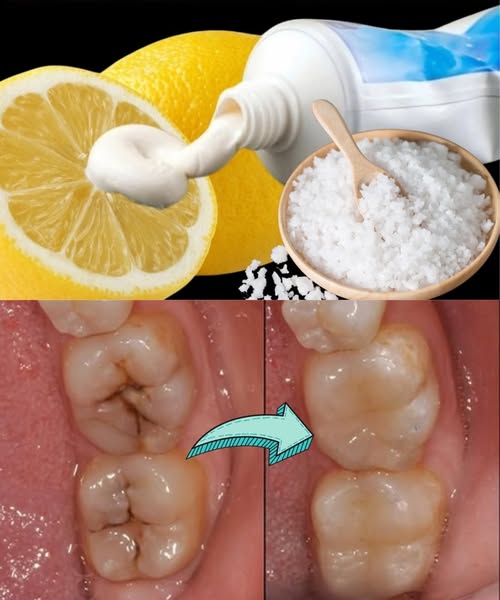
A tiny white spot on a tooth, mild sensitivity, or an occasional twinge when eating something sweet can be easy to ignore. But these small changes can sometimes be early signs that your tooth enamel is losing minerals.
The good news is that very early tooth decay can sometimes be stopped or reversed before a true cavity forms. Saliva naturally helps restore minerals to the enamel, and fluoride can strengthen the tooth and support this remineralization process.
However, there is an important difference between early enamel damage and an actual hole in the tooth.
Once a cavity has physically formed, home remedies cannot rebuild the missing tooth structure. A dentist may need to repair the tooth with a filling or another treatment.
So rather than trying to “cure” a cavity at home, focus on protecting your enamel and stopping early decay from progressing.
1. Brush Twice a Day With Fluoride Toothpaste
One of the simplest and most effective things you can do is brush your teeth twice a day using fluoride toothpaste.
Fluoride helps strengthen enamel and can encourage remineralization of areas weakened by acid attacks.
For adults, the NHS recommends toothpaste containing at least 1,350 ppm fluoride.
Brush for about two minutes, paying attention to the front, back, and chewing surfaces of your teeth. After brushing, spit out the excess toothpaste rather than immediately rinsing your mouth with water.
2. Reduce Frequent Sugar and Sweet Drinks
Cavities aren’t caused simply by eating one sweet food.
The bigger problem is repeated acid attacks throughout the day. Bacteria in dental plaque use sugars and produce acids that can remove minerals from tooth enamel.
Try to reduce frequent:
- Sugary tea and coffee
- Soft drinks
- Candy
- Cookies
- Cakes
- Sweetened juices
- Frequent sugary snacks
Instead of constantly sipping sweet drinks throughout the day, keep sugary foods and drinks to mealtimes when possible.
3. Clean Between Your Teeth Every Day
Your toothbrush cannot effectively reach every surface between your teeth.
Food particles and plaque can accumulate in these areas, increasing the risk of decay and gum problems.
Use dental floss or an appropriate interdental brush once a day. The NHS recommends daily cleaning between the teeth as part of good oral hygiene.
If flossing causes persistent bleeding or discomfort, speak with a dental professional rather than abandoning interdental cleaning.
4. Let Your Saliva Help Your Teeth
Your mouth has a natural defense system: saliva.
Saliva helps neutralize acids and provides minerals that contribute to the remineralization of enamel. This is one reason early tooth decay can sometimes be reversed before a cavity develops.
Sugar-free chewing gum can also stimulate saliva production. The ADA notes that sugar-free gum may help stimulate saliva and assist with removing food particles.
If you frequently experience dry mouth, however, talk to a dentist or healthcare professional because reduced saliva can increase cavity risk.
5. Don’t Scrub Your Teeth With Harsh Ingredients
When people search for natural cavity remedies, they may come across suggestions involving lemon juice, vinegar, charcoal, or other acidic or abrasive substances.
These are not substitutes for evidence-based cavity care.
Acidic ingredients can contribute to enamel erosion, while aggressive scrubbing can irritate the gums and wear down tooth surfaces.
A “natural” ingredient is not automatically safe for teeth.
6. Consider Fluoride Mouthwash at a Different Time
A fluoride mouthwash may provide additional protection against tooth decay for some people.
But don’t use it immediately after brushing because it can wash away the concentrated fluoride toothpaste left on your teeth. The NHS recommends using fluoride mouthwash at another time, such as after lunch.
If you have a high risk of cavities, your dentist may recommend a stronger fluoride treatment.
7. Drink Water Regularly
Water can help rinse away food particles and dilute acids in the mouth.
If your local drinking water contains fluoride, it may also contribute to cavity prevention. Fluoride levels vary by location, however, so don’t assume that every water supply contains an optimal amount.
Water is also a better everyday choice than frequently sipping sugary beverages.
Can a Cavity Actually Heal Naturally?
This is where it is important not to believe every viral dental tip online.
Early tooth decay may be reversed or arrested. A developed cavity cannot simply grow back at home.
The ADA explains that remineralization can repair early mineral loss, particularly with fluoride, but once a true cavity has formed, professional dental treatment may be necessary.
The NHS similarly states that fluoride treatments can reverse early tooth decay, while a tooth with a hole will probably need a filling.
When You Shouldn’t Wait to See a Dentist
Don’t rely on home care alone if you have:
- A visible hole in a tooth
- Persistent toothache
- Severe sensitivity to hot or cold
- Pain when biting
- Facial or gum swelling
- Pus around the tooth
- A bad taste in your mouth
- A broken or severely damaged tooth
Dental infections can become serious, especially when infection reaches deeper tissues.
Getting treatment earlier can also mean simpler treatment than waiting until decay reaches the nerve.
The Bottom Line
There is no magic natural ingredient that can rebuild a tooth after a large cavity has formed.
But you can give your teeth the best chance of staying strong by brushing twice daily with fluoride toothpaste, cleaning between your teeth, limiting frequent sugar exposure, drinking water, supporting saliva production, and taking early signs of decay seriously.
The goal isn’t to avoid the dentist at all costs. It’s to take good daily care of your teeth so that small problems are less likely to become big ones.
A Little Extra for Your Everyday Routine
Healthy habits don’t have to be complicated. The same idea applies to food: simple, balanced homemade meals can make everyday routines easier and more enjoyable.
If you love easy homemade recipes, keep following along—we’ll keep sharing simple, family-friendly recipes, kitchen tips, and everyday ideas you can actually use.
Meta Description: Learn how to protect and remineralize early tooth decay naturally with fluoride, better brushing, less sugar, and daily oral care—and discover when a real cavity needs professional treatment.