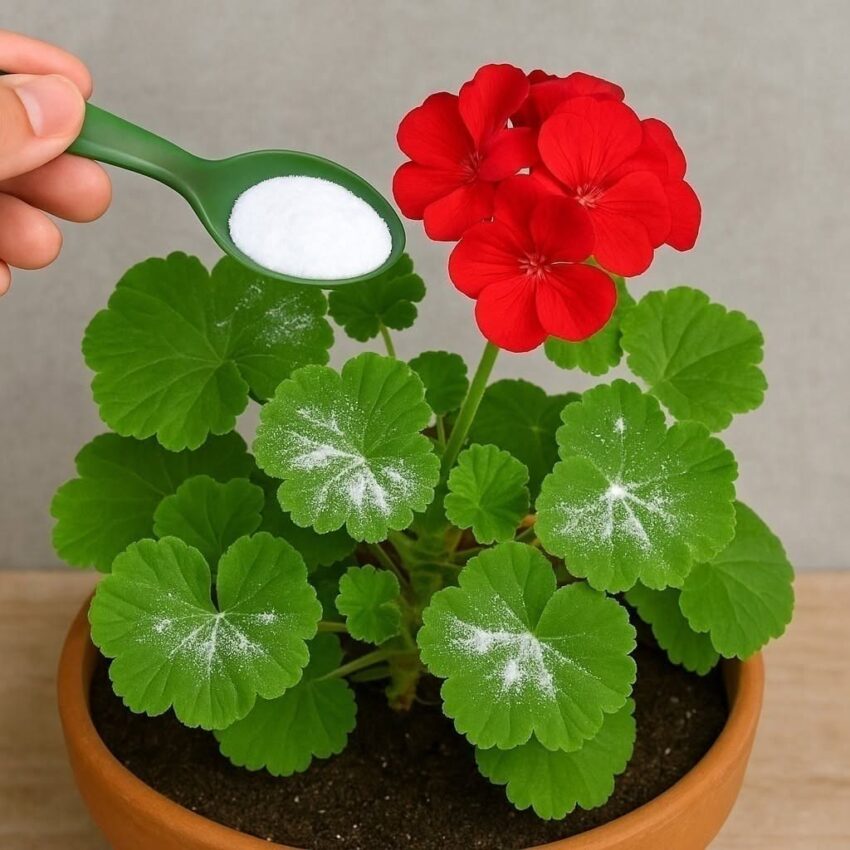
Learn how to water geraniums correctly for healthier plants and more flowers. Discover the ideal watering routine, common mistakes to avoid, and simple care tips for thriving geraniums.
How to Keep Geraniums Full of Flowers: The Right Way to Water Them
Geraniums are loved for their colorful, long-lasting flowers and their ability to brighten up balconies, windowsills, patios, and gardens. But if your geranium looks healthy yet produces only a few flowers, the problem may not be the plant itself. Your watering routine could be making a big difference.
Geraniums generally prefer a watering pattern that gives their roots enough moisture without leaving the soil constantly wet. Too little water can cause stress and wilting, while watering too frequently can create soggy soil and encourage root problems.
The goal is simple: water thoroughly, then allow the soil to dry slightly before watering again.
Water Geraniums When the Top of the Soil Feels Dry
One of the easiest ways to know when your geranium needs water is to check the soil rather than following a strict daily schedule.
Push your finger about an inch into the soil. If the surface and the upper layer feel dry, it is usually time to water. If the soil still feels noticeably moist, wait a little longer.
This is especially important because the amount of water a geranium needs can change with temperature, sunlight, pot size, humidity, and whether it is growing indoors or outdoors.
Water Deeply Instead of Giving Small Sips
When your geranium needs watering, don’t simply sprinkle a little water over the surface.
Pour water slowly around the base of the plant until the soil is thoroughly moistened and a small amount begins to drain from the holes at the bottom of the pot.
This helps moisture reach the deeper roots instead of remaining only near the surface.
After watering, allow excess water to drain away completely.
Never leave a potted geranium sitting in a saucer full of water for long periods.
Let the Soil Dry Slightly Between Waterings
Geraniums don’t usually appreciate constantly wet soil.
Allowing the upper portion of the soil to dry slightly between waterings gives the roots access to both moisture and air. Constantly saturated soil can reduce oxygen around the roots and may contribute to root rot.
However, don’t wait until the entire root ball becomes extremely dry and the plant is severely wilted.
A good routine is to check the soil regularly and water when it has dried to the appropriate depth.
Morning Is Often the Best Time to Water
If possible, water your geraniums in the morning.
Morning watering gives the plant time to use the moisture throughout the day and allows any water that accidentally reaches the foliage to dry.
Try to direct water toward the soil rather than repeatedly soaking the leaves and flowers.
Don’t Water According to the Calendar
A common mistake is watering geraniums every day simply because that is the routine.
Plants don’t lose water at the same rate every day.
During hot, sunny weather, a potted geranium may dry out quickly and require more frequent watering. During cool or rainy periods, the soil may remain moist for considerably longer.
Instead of thinking, “I water every Tuesday and Friday,” make the soil your guide.
Your Pot and Soil Matter Too
Even perfect watering won’t help much if the container doesn’t drain properly.
Geraniums grow best when excess water can escape easily. Make sure the pot has drainage holes and avoid using a container that traps water around the roots.
A well-draining potting mix is also important. Heavy soil that stays wet for a long time can make it difficult to maintain the balance between moisture and drainage.
How to Encourage Even More Flowers
Watering is only one part of keeping geraniums blooming.
For abundant flowers, also pay attention to:
1. Give Them Plenty of Light
Geraniums generally flower best when they receive plenty of sunlight. If a plant is growing in a very shady location, it may produce lots of leaves but fewer flowers.
2. Remove Faded Flowers
Once a flower cluster has finished blooming, remove the spent flowers. This helps keep the plant looking tidy and can encourage it to continue producing new blooms.
3. Avoid Excessive Fertilizer
More fertilizer does not automatically mean more flowers. Too much nitrogen can encourage leafy growth at the expense of flowering.
Use a balanced fertilizer according to the product’s directions rather than applying large amounts.
4. Don’t Let the Plant Stay Severely Wilted
Occasional drying between waterings is different from allowing the plant to become repeatedly dehydrated.
If the leaves are dramatically drooping and the soil is completely dry, give the plant a thorough watering and allow excess water to drain.
Signs You’re Watering Too Much
Your geranium may be receiving too much water if you notice:
- Soil that stays wet for many days
- Yellowing leaves
- A weak or declining plant
- Soft or damaged roots
- Persistent unpleasant-smelling soil
These symptoms can have several causes, so don’t assume watering is always the problem. Check the plant’s light, drainage, soil and overall growing conditions as well.
Signs Your Geranium Needs More Water
On the other hand, insufficient moisture may cause:
- Drooping leaves
- Very dry soil pulling away from the pot
- Wilting flowers
- Crispy or dry leaf edges
- Slower growth
Always check the soil before watering because wilting can also occur from excessive heat, root problems, pests, or other stresses.
The Simple Geranium Watering Rule
If you want one easy rule to remember, use this:
Check the soil → water thoroughly → let excess water drain → wait until the soil has dried slightly → check again.
There is no single number of days that works perfectly for every geranium. Paying attention to the plant and its soil is much more reliable than following a rigid schedule.
Final Thoughts
Beautiful, flower-filled geraniums don’t necessarily require complicated care. One of the most important things you can do is avoid both extremes: don’t let the plant remain bone-dry for long periods, and don’t keep its roots constantly soaked.
Give your geranium plenty of light, use a well-draining container and soil, remove faded flowers, and water thoroughly when the soil has dried slightly.
With the right balance of moisture and care, your geranium has a much better chance of staying healthy and producing flowers throughout its blooming season.