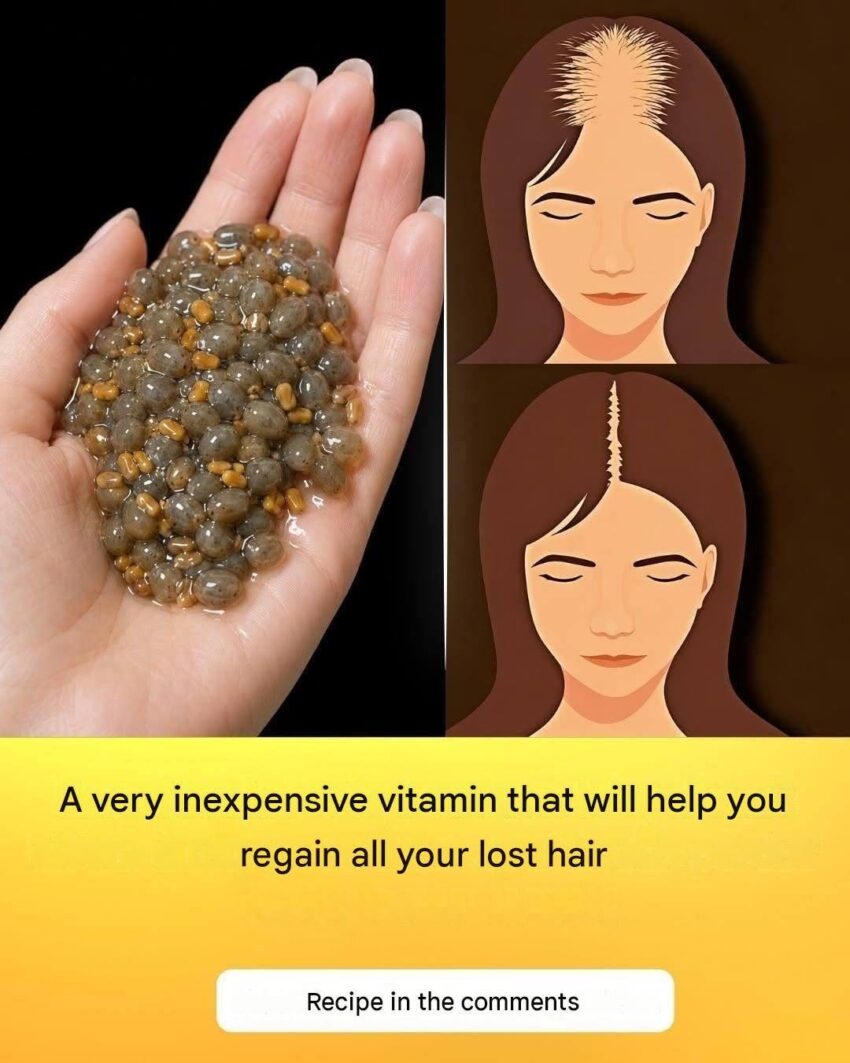
Can vitamins really make your hair grow faster? Discover what science says about biotin, vitamin D, iron, zinc, vitamin A, and other nutrients linked to hair growth and hair loss.
Vitamins and Hair Growth: What Do We Really Know?
Hair-growth vitamins are everywhere. From biotin gummies to vitamin D capsules and “hair, skin, and nails” supplements, there is no shortage of products promising thicker, longer, healthier hair.
But how much of this is actually supported by science?
The answer is more complicated than “take a vitamin and grow more hair.”
Certain vitamins and minerals are essential for normal hair-follicle function, and a genuine nutritional deficiency can contribute to hair loss. However, taking extra vitamins when you already have adequate levels does not necessarily make hair grow faster. In some cases, excessive supplementation can actually cause problems — including hair loss.
Why Nutrition Matters for Hair
Hair follicles are among the body’s most active tissues. They require adequate energy, protein, vitamins, and minerals to maintain the normal hair-growth cycle.
When the body does not receive enough of certain nutrients, hair may become thinner, weaker, or shed more than usual.
The American Academy of Dermatology lists inadequate amounts of iron, protein, zinc, and biotin among nutritional factors that can contribute to noticeable hair loss. When an actual deficiency is corrected, hair may regrow.
But this does not mean everyone experiencing hair loss needs a vitamin supplement.
Hair loss can have many causes, including genetics, hormonal changes, thyroid disorders, illness, stress, medications, and certain scalp conditions.
Biotin: Probably the Most Misunderstood Hair Vitamin
Biotin, also known as vitamin B7, is probably the ingredient most strongly associated with hair-growth supplements.
Biotin deficiency can cause hair loss, but true deficiency is relatively uncommon. More importantly, there is limited scientific evidence that taking extra biotin makes hair grow in otherwise healthy people who are not deficient.
That means taking a high-dose biotin supplement simply because your hair is shedding may not solve the underlying problem.
There is another reason to be cautious: high doses of biotin can interfere with certain laboratory tests and potentially produce misleading results, including some hormone-related tests.
If you take biotin supplements, tell your healthcare professional before having blood tests.
Vitamin D and Hair Health
Vitamin D is involved in several biological processes, including functions related to hair follicles.
Research has found associations between low vitamin D levels and certain forms of hair loss. However, the relationship is not simple, and evidence that vitamin D supplements reliably treat hair loss in people without a deficiency remains limited.
If testing shows that you are vitamin D deficient, treating that deficiency is important for overall health and may also be relevant when evaluating hair loss.
But taking increasingly large doses of vitamin D is not a proven shortcut to thicker hair.
Iron: Important When You’re Deficient
Iron deserves special attention because insufficient iron can contribute to hair shedding.
The body needs iron to make hemoglobin and support oxygen delivery to tissues. When iron stores are low, some people may experience increased hair shedding.
Dermatologists may recommend checking iron status when evaluating hair loss, particularly when symptoms or medical history suggest a deficiency.
However, iron supplements should not be taken casually.
Too much iron can be harmful, and the American Academy of Dermatology specifically cautions against taking iron unless testing indicates that supplementation is needed.
Zinc and Hair Growth
Zinc plays an important role in normal cell growth and tissue maintenance, including processes involved in the hair follicle.
Low zinc levels have been associated with some types of hair loss. But research has not established that taking extra zinc will improve hair growth in people who already have adequate zinc levels.
As with other nutrients, the goal should be correcting a deficiency rather than consuming increasingly high doses.
What About Vitamin A?
Vitamin A is essential for normal growth and cell development.
But this is a good example of why “more vitamins” does not automatically mean “better hair.”
Excessive vitamin A intake can contribute to hair loss. The American Academy of Dermatology specifically lists excessive amounts of certain nutrients, including vitamin A, among factors that can worsen hair loss.
So taking a high-dose vitamin A supplement for hair growth could potentially have the opposite effect.
Vitamin E and Other “Beauty Vitamins”
Vitamin E, vitamin C, selenium, folate, and other nutrients are frequently included in hair supplements.
These nutrients have important roles in normal body function, but that does not automatically mean taking additional amounts will stimulate hair growth.
Research into micronutrients and hair loss is still developing, and evidence is inconsistent for many individual supplements. Reviews have emphasized that more high-quality clinical trials are needed before routine supplementation can be recommended for people without documented deficiencies.
Food First Is Usually the Better Starting Point
For generally healthy people, dermatologists recommend trying to meet nutritional needs through a balanced diet rather than automatically relying on hair supplements.
A hair-friendly eating pattern can include:
- Eggs and other protein-rich foods
- Fish and seafood
- Meat or other iron-containing foods
- Beans and lentils
- Nuts and seeds
- Leafy green vegetables
- Fruits and vegetables
- Whole grains
- Dairy or fortified alternatives
Protein is particularly important because hair is largely made from a protein called keratin.
Eating too few calories or not getting enough protein can also contribute to hair loss.
Can Hair Supplements Actually Help?
Sometimes — but the circumstances matter.
If a person has a genuine nutritional deficiency, correcting it can be beneficial.
If someone has no deficiency, however, the evidence for simply adding multiple vitamins and minerals is much weaker. A systematic review of nutritional interventions found that evidence varies considerably between products and treatments, with some showing potential benefits but many requiring better-quality research.
This is why a supplement marketed as a “hair-growth formula” should not automatically be considered a treatment for hair loss.
When Hair Loss May Need More Than Vitamins
If your hair is suddenly shedding much more than usual, don’t assume you simply need biotin.
Hair loss can be associated with:
- Thyroid problems
- Hormonal changes
- Major stress or illness
- Significant weight loss
- Inadequate calorie or protein intake
- Iron deficiency
- Certain medications
- Genetic pattern hair loss
- Autoimmune conditions
- Scalp infections or inflammation
The American Academy of Dermatology recommends identifying the underlying cause rather than relying on supplements alone.
The Bottom Line
Vitamins can matter for hair growth — but mainly when your body is lacking something it needs.
Biotin deficiency, inadequate iron, zinc deficiency, inadequate protein, and low levels of certain nutrients can contribute to hair problems. Correcting a genuine deficiency may help.
But if your nutrient levels are already adequate, taking more vitamins is not guaranteed to produce thicker or faster-growing hair. Some nutrients can even cause problems when taken in excessive amounts.
The smartest approach is not to chase the biggest dose or the most impressive supplement label. Instead, focus on a balanced diet, identify the possible cause of hair loss, and use supplements when a healthcare professional determines that they are actually needed.