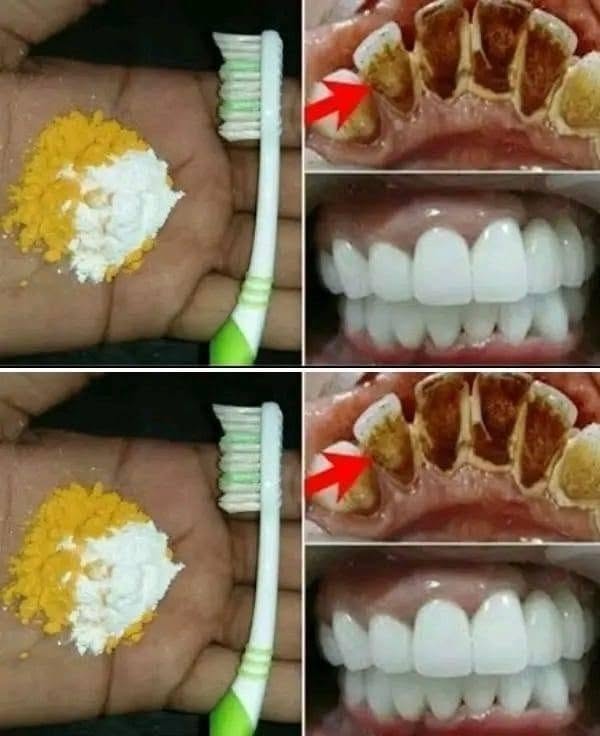
A brighter smile is something many people want, and there are countless teeth-whitening tips online. From whitening strips and toothpaste to baking soda, lemon juice, and other homemade remedies, it can be difficult to know which methods are actually useful—and which could damage your teeth.
The good news is that you don’t necessarily need an expensive professional treatment to make stained teeth look brighter. But the safest approach is to understand how whitening works and choose products carefully.
What Causes Teeth to Become Discolored?
Teeth can become darker or stained for several reasons.
Coffee, tea, red wine, tobacco, and certain foods can leave surface stains. Over time, the outer layer of the tooth can also naturally become less bright.
Age, certain medications, dental conditions, and trauma can cause deeper discoloration that may not respond well to ordinary whitening products.
Knowing the type of discoloration you have can help determine which approach is appropriate.
1. Whitening Toothpaste
Whitening toothpaste can help remove some surface stains through mild polishing ingredients.
However, it generally does not change the natural color of teeth dramatically. Think of it as helping maintain a cleaner, brighter appearance rather than providing the same effect as a professional whitening treatment.
Choose a reputable product and avoid aggressively scrubbing your teeth.
2. Whitening Strips
Over-the-counter whitening strips commonly use peroxide-based ingredients to lighten tooth color.
When used according to the manufacturer’s instructions, they can provide noticeable whitening for many people. Results vary, and temporary tooth sensitivity or gum irritation can occur.
Using strips more frequently or leaving them on longer than directed does not necessarily produce better results and may increase irritation.
3. Whitening Trays and Gels
Some home whitening kits use a gel containing a peroxide-based bleaching agent, sometimes applied with a tray.
These products can be effective, but concentration and application method matter. A dentist can also provide customized trays designed to fit your teeth more closely.
If you have sensitive teeth, gum disease, cavities, or extensive dental work, professional guidance is particularly important.
4. Professional Take-Home Whitening
A dentist may provide a customized whitening system that you use at home.
Because the treatment is selected and supervised by a dental professional, it can be a useful option for people who want more controlled whitening or have specific dental concerns.
What About Baking Soda?
Baking soda can help remove some surface stains because it has mild abrasive properties.
However, it is not a powerful bleaching treatment. Using abrasive substances too aggressively or too frequently can contribute to enamel wear.
If you want to use a whitening toothpaste, choosing one specifically formulated for teeth is generally more sensible than repeatedly scrubbing your teeth with household powders.
Avoid Lemon Juice and Other Acidic DIY Remedies
One of the most important whitening mistakes is using acidic substances such as lemon juice or vinegar.
Acid can soften and erode tooth enamel. Once enamel is lost, the damage cannot simply be “whitened away.”
A method that makes teeth appear temporarily brighter is not worthwhile if it increases the risk of permanent enamel damage.
Be Careful With Charcoal
Activated charcoal has become popular in some whitening products, but dramatic whitening claims should be treated cautiously.
Charcoal products may help remove some surface discoloration, but they are not a replacement for established peroxide-based whitening methods. Excessive abrasive use may also be harmful to enamel.
Whitening Doesn’t Work on Every Dental Restoration
Whitening products generally affect natural tooth structure. Crowns, veneers, bridges, and some fillings may not change color in the same way.
This can sometimes leave a mismatch between natural teeth and dental restorations.
If you have significant dental work and are considering whitening, speak with your dentist first.
How to Protect Your Smile After Whitening
Once you’ve achieved the shade you want, maintaining it is often easier than repeatedly undergoing intensive treatments.
Consider:
- Brushing twice a day with fluoride toothpaste
- Cleaning between your teeth regularly
- Limiting frequent exposure to stain-causing drinks and foods
- Avoiding tobacco products
- Rinsing your mouth with water after strongly staining foods or drinks
- Visiting your dentist for routine examinations and professional cleaning when appropriate
When Should You See a Dentist Before Whitening?
Whitening is not a substitute for treating dental problems.
See a dentist before whitening if you have tooth pain, untreated cavities, bleeding or inflamed gums, significant sensitivity, cracks, or unexplained changes in tooth color.
A single darkened tooth, for example, can sometimes have a different cause from ordinary surface staining and should be evaluated.
The Bottom Line
The most reliable home whitening options generally involve properly formulated whitening products, particularly peroxide-based treatments used according to their instructions.
At the same time, some popular DIY methods can do more harm than good. Lemon juice, vinegar, excessive abrasion, and aggressive scrubbing are not shortcuts to a healthier smile.
A brighter smile should not come at the expense of healthy enamel. When in doubt, ask a dental professional which whitening method is appropriate for your teeth.