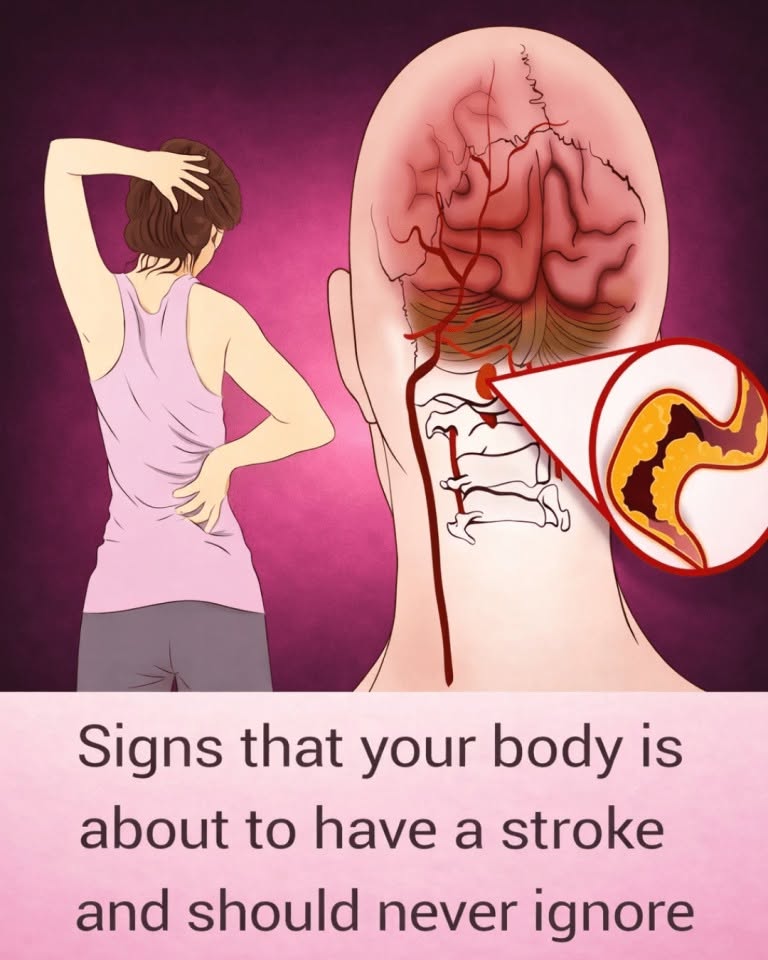
Learn 10 important warning signs of a stroke, why acting quickly matters, and what to do if you or someone nearby suddenly develops these symptoms.
A stroke can happen suddenly, and every minute can matter. It occurs when blood flow to part of the brain is blocked or when a blood vessel in the brain bursts. Without enough oxygen and nutrients, brain cells can become damaged.
The difficult part is that a stroke may not always begin with dramatic symptoms. Recognizing the warning signs quickly can help someone receive emergency treatment as soon as possible.
1. Sudden Weakness or Numbness
One of the most common warning signs is sudden weakness or numbness, especially in the face, arm, or leg on one side of the body.
Ask the person to raise both arms. If one arm suddenly drifts downward or cannot be lifted normally, treat it as an emergency.
2. A Drooping Face
A person having a stroke may suddenly develop weakness on one side of the face.
Their smile may look uneven, or one side of the mouth may droop.
A quick way to check is to ask them to smile. Any sudden facial asymmetry should be taken seriously.
3. Sudden Trouble Speaking
Speech may suddenly become slurred, unclear, or difficult to produce.
Someone may know what they want to say but be unable to get the words out properly.
4. Difficulty Understanding Speech
Stroke symptoms aren’t limited to speaking. A person may suddenly struggle to understand simple sentences or instructions.
They may appear confused or respond in a way that doesn’t make sense.
5. Sudden Vision Problems
A stroke can affect vision in one or both eyes.
Warning signs may include sudden blurred vision, double vision, or loss of vision.
Because sudden vision changes can have several serious causes, they should never simply be ignored.
6. Sudden Difficulty Walking
A person may suddenly become unsteady, dizzy, or unable to walk normally.
They may have difficulty coordinating their movements or feel as though they are going to fall.
Sudden loss of balance or coordination can be an important stroke warning sign.
7. A Sudden, Severe Headache
A sudden, unusually severe headache—particularly one that appears without an obvious explanation—can sometimes occur with a hemorrhagic stroke, in which a blood vessel in the brain ruptures.
A severe headache accompanied by vomiting, confusion, weakness, vision problems, or loss of consciousness requires immediate medical attention.
8. Sudden Confusion
A person may suddenly seem confused, disoriented, or unable to answer basic questions.
They might have trouble remembering where they are or understanding what is happening around them.
Sudden confusion should be treated seriously, especially when it occurs alongside other neurological symptoms.
9. Sudden Trouble Swallowing
Some strokes can affect the muscles involved in swallowing.
A person may suddenly cough or choke while trying to swallow, have difficulty controlling saliva, or develop an unusual change in their voice.
This symptom requires medical evaluation because swallowing difficulties can also increase the risk of food or liquid entering the lungs.
10. Sudden Loss of Coordination
A person may suddenly struggle to use their hands accurately or coordinate their movements.
For example, they may have difficulty picking something up, walking in a straight line, or performing a task they normally do easily.
Remember FAST
A simple way to remember some of the most important stroke symptoms is FAST:
F — Face: Is one side of the face drooping?
A — Arms: Is one arm weak or numb?
S — Speech: Is speech slurred, strange, or difficult?
T — Time: It’s time to seek emergency medical help immediately.
FAST doesn’t describe every possible stroke symptom, so sudden vision problems, severe headache, confusion, dizziness, or loss of coordination should also be taken seriously.
What Should You Do If You Suspect a Stroke?
Don’t wait to see whether the symptoms disappear.
Call your local emergency medical service immediately and tell them that you suspect a stroke. Note the time when the symptoms first appeared, or the last time the person was known to be well.
Avoid driving the person yourself if emergency medical transportation is available. Emergency responders can begin assessment and care on the way to the hospital.
Don’t give the person food, drink, or medication unless medical professionals instruct you to do so.
What If the Symptoms Go Away?
Temporary stroke-like symptoms can occur during a transient ischemic attack (TIA), sometimes called a “mini-stroke.”
Even if the symptoms disappear after a few minutes, a TIA can be an important warning that a full stroke could occur. It still requires urgent medical assessment.
Why Acting Quickly Matters
Some strokes can be treated with medicines or procedures that restore blood flow to the brain, but eligibility depends on the type of stroke, the timing, and other medical factors.
That is why recognizing symptoms and seeking emergency care quickly is so important.
Final Thoughts
A stroke doesn’t always announce itself with dramatic pain. It may begin with something as subtle as an uneven smile, difficulty speaking, sudden weakness, or unexpected loss of balance.
Knowing these warning signs could help you recognize an emergency in yourself, a family member, or someone nearby.
If stroke symptoms appear suddenly, don’t wait. Get emergency medical help immediately.