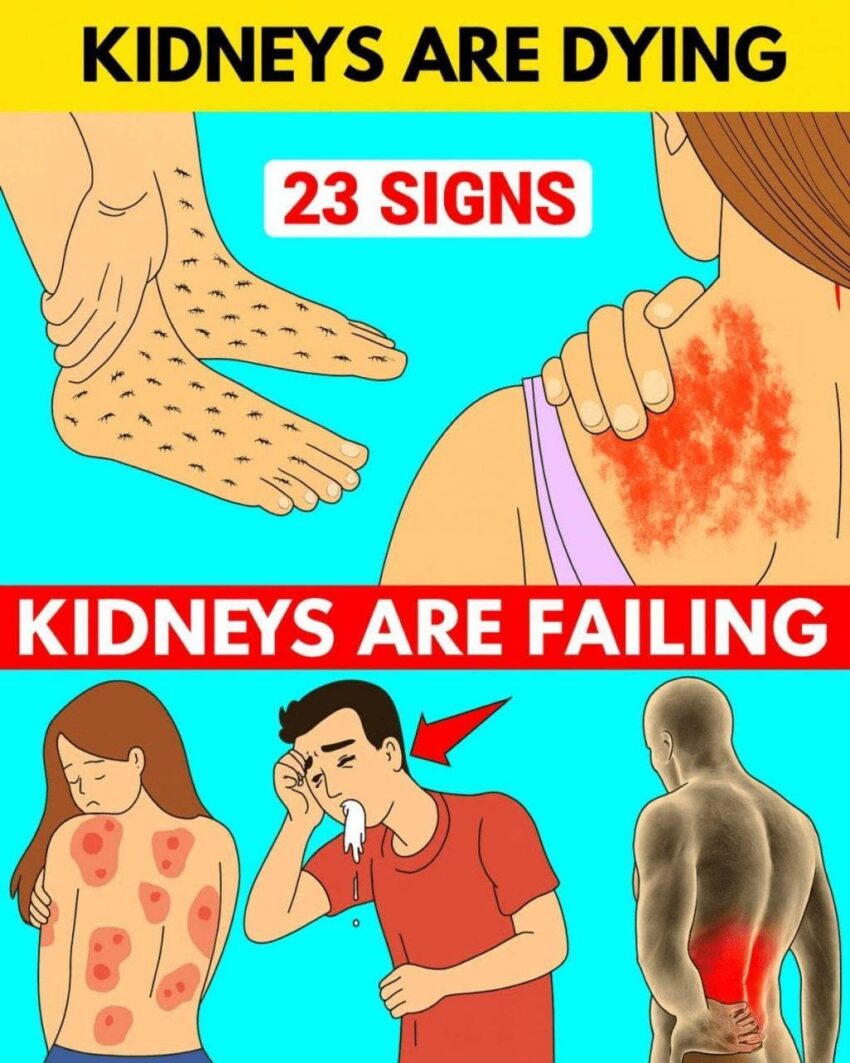
Your kidneys work quietly every day to filter waste and extra fluid from your blood, help regulate blood pressure, balance minerals, and support the production of red blood cells.
Kidney problems can develop gradually, and early kidney disease may cause few or no noticeable symptoms. As kidney function declines, however, changes throughout the body can become more apparent.
Some of these signs may seem unrelated to the kidneys. Most can also be caused by other health conditions, so symptoms alone cannot diagnose kidney disease.
1. Persistent Fatigue
Feeling unusually tired or weak can occur when kidney function is significantly reduced. Kidney disease may contribute to anemia, which can leave you feeling exhausted.
Persistent fatigue has many other possible causes, including poor sleep, stress, nutritional deficiencies, and thyroid problems.
2. Swelling in the Legs or Ankles
When the kidneys have difficulty removing excess sodium and fluid, fluid can accumulate in the body. This may cause swelling around the ankles, feet, or lower legs.
Swelling can also be related to heart, liver, vein, or medication-related problems.
3. Puffy Eyes
Swelling around the eyes, particularly in the morning, can sometimes occur when protein leaks into the urine because of kidney damage.
Persistent puffiness should be evaluated rather than assumed to be a kidney problem.
4. Changes in Urination
Kidney problems can sometimes cause noticeable changes in how often you urinate or how much urine you produce.
You may notice increased or decreased urination, particularly at night. Changes in urination can have many other causes, including urinary tract problems, medications, and changes in fluid intake.
5. Foamy or Frothy Urine
Occasionally seeing bubbles in the toilet is usually not a reason for concern. However, urine that repeatedly appears unusually foamy can sometimes indicate excess protein in the urine.
Persistent changes should be discussed with a healthcare professional.
6. Blood in the Urine
Pink, red, or tea-colored urine can sometimes indicate blood in the urinary system.
Kidney disease is one possible cause, but urinary infections, kidney stones, medications, and other conditions can also cause this change. Visible blood in the urine should be medically evaluated.
7. Dark or Unusually Colored Urine
Urine color can change because of dehydration, foods, medications, supplements, or medical conditions.
If urine remains unusually dark or changes significantly without an obvious explanation, consider discussing it with a healthcare professional.
8. Persistent Itchy Skin
Severe or persistent itching can occur in advanced kidney disease when waste products and mineral imbalances build up in the body.
Itching is much more commonly associated with numerous other conditions, so it should not be considered a specific sign of kidney disease.
9. Dry or Itchy Skin
Changes in skin moisture can occur with several medical conditions. People with advanced kidney disease may experience particularly dry or itchy skin.
Persistent skin changes should be assessed to determine their cause.
10. Muscle Cramps
Changes in mineral and electrolyte levels can contribute to muscle cramps in people with impaired kidney function.
Frequent cramps can also result from dehydration, physical activity, medications, or other electrolyte problems.
11. Nausea or Loss of Appetite
As kidney function becomes severely impaired, waste products can accumulate in the blood and contribute to nausea, reduced appetite, or an unpleasant taste in the mouth.
These symptoms are common and can have many causes, including infections and digestive disorders.
12. A Metallic Taste in the Mouth
Some people with advanced kidney disease report an unusual or metallic taste.
Changes in taste can also be caused by medications, infections, dental problems, or other conditions.
13. Bad Breath
Kidney failure can sometimes cause breath to develop an unusual ammonia-like or urine-like odor because of the buildup of certain waste products.
Persistent bad breath is much more commonly associated with oral or dental problems and should not automatically be attributed to the kidneys.
14. Difficulty Concentrating
Advanced kidney disease can affect mental clarity and concentration.
Feeling unusually confused or having significant difficulty thinking clearly should receive medical attention, especially when it develops suddenly.
15. Trouble Sleeping
Sleep problems are relatively common among people with chronic kidney disease. Itching, restless legs, discomfort, sleep apnea, and other factors may contribute.
Insomnia by itself does not indicate kidney disease.
16. Restless or Uncomfortable Legs
Some people with kidney disease experience restless legs or uncomfortable sensations in their legs, particularly at night.
Restless legs can have many causes, including iron deficiency and certain medications.
17. Shortness of Breath
Advanced kidney disease can contribute to fluid accumulation, including fluid around the lungs, and may also cause anemia. Both can contribute to shortness of breath.
Sudden or severe breathing difficulty is an emergency and requires immediate medical attention.
18. High Blood Pressure
The kidneys play an important role in regulating blood pressure. Kidney disease and high blood pressure can therefore influence each other.
High blood pressure is often symptomless, so regular blood pressure checks are important.
19. Unexplained Weight Loss
Significant kidney disease can sometimes cause reduced appetite and unintended weight loss.
However, unexplained weight loss can have many causes and should always be evaluated, particularly when it is persistent or accompanied by other symptoms.
20. Feeling Cold More Often
Anemia associated with chronic kidney disease can contribute to fatigue and sensitivity to cold.
Feeling cold, however, can also be related to anemia from other causes, thyroid disorders, low body weight, and environmental factors.
21. Muscle Weakness
Kidney disease can cause changes in electrolyte and mineral levels that may contribute to weakness.
New or worsening muscle weakness should be medically assessed, particularly if it occurs alongside other symptoms.
22. Swelling or Changes in the Face
Fluid retention can sometimes cause swelling in the face or other parts of the body in people with significant kidney dysfunction.
Sudden swelling, particularly when accompanied by breathing problems, requires urgent medical evaluation.
23. Feeling Generally Unwell
Sometimes kidney disease does not produce one dramatic symptom. Instead, a person may notice a combination of fatigue, changes in appetite, swelling, sleep problems, or changes in urination.
A collection of persistent, unexplained symptoms is a good reason to speak with a healthcare professional.
Who Is at Higher Risk of Kidney Disease?
Certain factors increase the likelihood of developing chronic kidney disease. These include:
- Diabetes
- High blood pressure
- Heart disease
- A family history of kidney disease
- Previous kidney problems
- Certain autoimmune conditions
- Older age
- Long-term use of some medications
People with significant risk factors may need regular kidney-function testing even if they feel completely healthy.
How Do Doctors Check Kidney Function?
Symptoms alone cannot determine whether your kidneys are healthy.
Healthcare professionals commonly use blood and urine tests to evaluate kidney function. Blood tests can measure markers such as creatinine and help estimate kidney filtration. Urine testing can identify abnormalities such as excess protein or blood.
Additional tests, including imaging, may be recommended depending on the person’s symptoms and medical history.
Can You Protect Your Kidney Health?
There is no single food or “kidney detox” that can cleanse damaged kidneys. Instead, focus on habits that support overall health.
Maintain healthy blood pressure and blood glucose levels, stay physically active, avoid smoking, eat a balanced diet, and take medications only as directed.
If you have diabetes, high blood pressure, or another condition that increases kidney risk, regular medical checkups are particularly important.
When Should You Seek Medical Care?
Contact a healthcare professional if you develop persistent changes in urination, blood in the urine, unexplained swelling, ongoing fatigue, or other symptoms that concern you.
Seek urgent medical attention for severe shortness of breath, sudden confusion, severe weakness, chest pain, or a major reduction in urine output accompanied by feeling seriously unwell.
The Bottom Line
Kidney disease can sometimes develop without obvious warning signs, while more advanced disease may affect many parts of the body.
The 23 signs above can occur with kidney problems, but none of them alone proves that your kidneys are in trouble. Many have much more common explanations.
If symptoms persist or several occur together, the most reliable approach is to speak with a healthcare professional and have appropriate blood and urine tests rather than relying on home remedies or online symptom lists.