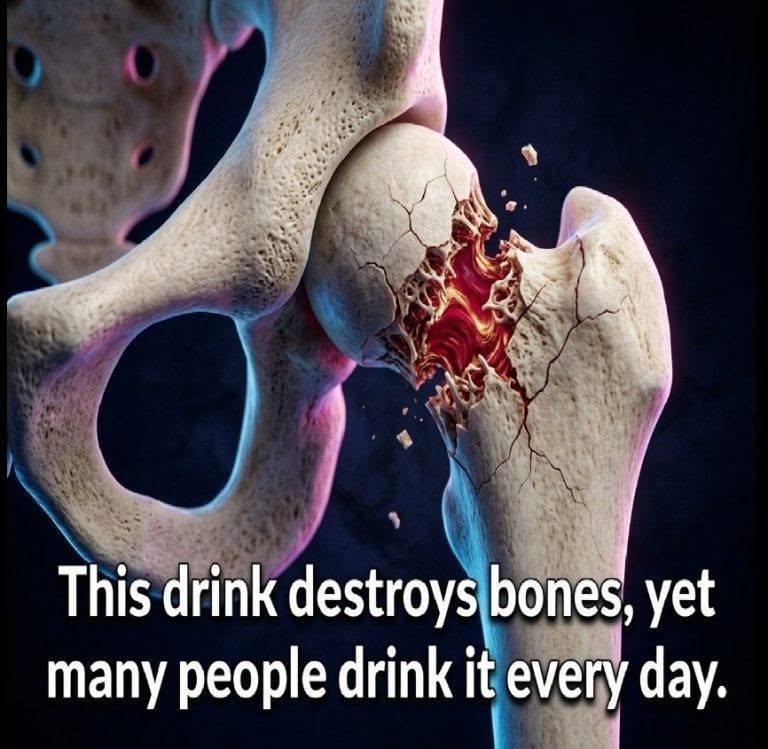
Strong bones depend on more than calcium. Vitamin D, protein, physical activity, hormones, age, genetics, smoking, and overall diet all influence bone health.
Certain drinks may also work against healthy bones when consumed frequently or in large amounts. However, it is important to avoid the misleading claim that a particular beverage will automatically “destroy” your bones. The amount you consume and the rest of your diet matter.
5 Drinks That May Be Harmful to Your Bones When Consumed in Excess
Strong bones depend on more than calcium. Vitamin D, protein, physical activity, hormones, age, genetics, smoking, and overall diet all influence bone health.
Certain drinks may also work against healthy bones when consumed frequently or in large amounts. However, it is important to avoid the misleading claim that a particular beverage will automatically “destroy” your bones. The amount you consume and the rest of your diet matter.
Here are five beverages worth limiting if you’re concerned about osteoporosis and fractures.
1. Cola and Dark Soft Drinks
Cola is probably the drink most often discussed in connection with bone health.
Some observational studies have found an association between frequent cola consumption and lower bone mineral density, particularly in women. Cola commonly contains caffeine and phosphoric acid, although researchers have not established that these ingredients alone explain the association.
The Bone Health & Osteoporosis Foundation notes that some studies have linked cola with bone loss, while emphasizing that carbonation itself does not appear to damage bones.
Another concern is what soda replaces. If someone regularly chooses soft drinks instead of milk or calcium-fortified beverages, they may consume less calcium overall.
Better choice: Water, milk, or a calcium- and vitamin-D-fortified beverage.
2. Excessively Caffeinated Drinks
Coffee and tea aren’t automatically bad for your bones.
The concern is high caffeine intake, especially when accompanied by inadequate calcium intake. Caffeine can slightly increase calcium loss through urine and may interfere with calcium absorption.
This means you don’t necessarily need to give up your morning coffee.
Instead, avoid excessive amounts and make sure your diet provides adequate calcium.
Energy drinks can be another source of high caffeine, and some also contain substantial amounts of added sugar.
Better choice: Moderate coffee or tea, ideally as part of an otherwise calcium-rich diet.
3. Energy Drinks
Energy drinks deserve special attention because they can contain considerable amounts of caffeine and added sugar.
The concern isn’t that one energy drink suddenly weakens your bones. Rather, frequent high caffeine intake combined with poor nutrition may be unfavorable for bone health.
Replacing nutritious drinks or meals with highly caffeinated beverages can also make it harder to obtain adequate calcium, vitamin D, protein, and other nutrients.
If you regularly consume energy drinks, consider gradually replacing some of them with water or other nutritious beverages.
4. Heavy Alcohol Consumption
Alcohol is different from soda and coffee because excessive alcohol consumption is an established risk factor for poor bone health and fractures.
Heavy drinking can interfere with calcium and vitamin D metabolism, contribute to poor nutrition, and increase the likelihood of falls and fractures. The International Osteoporosis Foundation identifies excessive alcohol intake as a risk factor for osteoporosis and fractures.
The safest option for some people is not to drink at all. If you do drink alcohol, moderation is important.
5. Sugary Soft Drinks
Regular soda and other sugar-sweetened beverages can be problematic when they make up a large portion of the diet.
The issue isn’t simply that sugar “leaches calcium from your bones.” That claim is an oversimplification.
A bigger concern is that frequent sugary drinks can contribute substantial calories without providing the calcium, vitamin D, protein, and other nutrients needed for healthy bones. Some research has also associated high soft-drink consumption with poorer bone outcomes.
Better choice: Water, unsweetened beverages, or calcium-fortified drinks.
What About Sparkling Water?
Here’s an important myth to clear up:
Carbonation itself does not appear to weaken your bones.
The Bone Health & Osteoporosis Foundation specifically states that carbonation in soft drinks is not what causes bone loss, and some carbonated mineral waters can even contribute useful minerals.
So you don’t necessarily need to avoid plain sparkling water simply because it contains bubbles.
The bigger concerns are beverages containing excessive caffeine, alcohol, added sugar, or other ingredients that may displace nutritious foods and drinks.
What Should You Drink for Stronger Bones?
Instead of focusing only on what to avoid, build your daily beverage choices around bone-supportive nutrition.
Good options can include:
- Water
- Milk
- Calcium- and vitamin-D-fortified milk alternatives
- Unsweetened fortified beverages
- Plain sparkling water
- Moderate amounts of coffee or tea
The National Institute on Aging recommends getting adequate calcium, vitamin D, and protein, along with regular weight-bearing physical activity to support bone health.
Don’t Forget These 4 Bone-Protecting Habits
Drinks are only one small part of the picture.
Get Enough Calcium
Calcium is an essential building block of bone. Dairy products, fortified beverages, leafy greens, tofu prepared with calcium, and certain fish are useful sources.
Get Enough Vitamin D
Vitamin D helps the body absorb calcium. Some people may need a supplement if their vitamin D level is low, but supplementation should be individualized.
Exercise Your Bones
Weight-bearing exercise and strength training help maintain bone and muscle strength.
Walking, climbing stairs, dancing, resistance exercises, and other weight-bearing activities can be useful depending on your age and physical condition.
Don’t Smoke
Smoking is an important modifiable risk factor for weakened bones and fractures. (
Final Thoughts
The idea that five specific drinks will “destroy your bones” is too dramatic. Moderation and overall nutrition matter much more than avoiding one beverage completely.
The drinks worth limiting most carefully are:
- Cola and dark soft drinks
- Excessively caffeinated beverages
- Energy drinks
- Heavy alcohol consumption
- Sugary soft drinks
If you’re concerned about osteoporosis, don’t focus only on beverages. Make sure you’re getting adequate calcium, vitamin D, and protein, stay physically active, avoid smoking, and discuss your individual fracture risk with your healthcare professional.
Most importantly, you don’t need to fear every cup of coffee or glass of sparkling water. The goal is a balanced diet and sensible consumption—not unnecessary restriction.
1. Cola and Dark Soft Drinks
Cola is probably the drink most often discussed in connection with bone health.
Some observational studies have found an association between frequent cola consumption and lower bone mineral density, particularly in women. Cola commonly contains caffeine and phosphoric acid, although researchers have not established that these ingredients alone explain the association.
The Bone Health & Osteoporosis Foundation notes that some studies have linked cola with bone loss, while emphasizing that carbonation itself does not appear to damage bones.
Another concern is what soda replaces. If someone regularly chooses soft drinks instead of milk or calcium-fortified beverages, they may consume less calcium overall.
Better choice: Water, milk, or a calcium- and vitamin-D-fortified beverage.
2. Excessively Caffeinated Drinks
Coffee and tea aren’t automatically bad for your bones.
The concern is high caffeine intake, especially when accompanied by inadequate calcium intake. Caffeine can slightly increase calcium loss through urine and may interfere with calcium absorption.
This means you don’t necessarily need to give up your morning coffee.
Instead, avoid excessive amounts and make sure your diet provides adequate calcium.
Energy drinks can be another source of high caffeine, and some also contain substantial amounts of added sugar.
Better choice: Moderate coffee or tea, ideally as part of an otherwise calcium-rich diet.
3. Energy Drinks
Energy drinks deserve special attention because they can contain considerable amounts of caffeine and added sugar.
The concern isn’t that one energy drink suddenly weakens your bones. Rather, frequent high caffeine intake combined with poor nutrition may be unfavorable for bone health.
Replacing nutritious drinks or meals with highly caffeinated beverages can also make it harder to obtain adequate calcium, vitamin D, protein, and other nutrients.
If you regularly consume energy drinks, consider gradually replacing some of them with water or other nutritious beverages.
4. Heavy Alcohol Consumption
Alcohol is different from soda and coffee because excessive alcohol consumption is an established risk factor for poor bone health and fractures.
Heavy drinking can interfere with calcium and vitamin D metabolism, contribute to poor nutrition, and increase the likelihood of falls and fractures. The International Osteoporosis Foundation identifies excessive alcohol intake as a risk factor for osteoporosis and fractures.
The safest option for some people is not to drink at all. If you do drink alcohol, moderation is important.
5. Sugary Soft Drinks
Regular soda and other sugar-sweetened beverages can be problematic when they make up a large portion of the diet.
The issue isn’t simply that sugar “leaches calcium from your bones.” That claim is an oversimplification.
A bigger concern is that frequent sugary drinks can contribute substantial calories without providing the calcium, vitamin D, protein, and other nutrients needed for healthy bones. Some research has also associated high soft-drink consumption with poorer bone outcomes.
Better choice: Water, unsweetened beverages, or calcium-fortified drinks.
What About Sparkling Water?
Here’s an important myth to clear up:
Carbonation itself does not appear to weaken your bones.
The Bone Health & Osteoporosis Foundation specifically states that carbonation in soft drinks is not what causes bone loss, and some carbonated mineral waters can even contribute useful minerals.
So you don’t necessarily need to avoid plain sparkling water simply because it contains bubbles.
The bigger concerns are beverages containing excessive caffeine, alcohol, added sugar, or other ingredients that may displace nutritious foods and drinks.
What Should You Drink for Stronger Bones?
Instead of focusing only on what to avoid, build your daily beverage choices around bone-supportive nutrition.
Good options can include:
- Water
- Milk
- Calcium- and vitamin-D-fortified milk alternatives
- Unsweetened fortified beverages
- Plain sparkling water
- Moderate amounts of coffee or tea
The National Institute on Aging recommends getting adequate calcium, vitamin D, and protein, along with regular weight-bearing physical activity to support bone health.
Don’t Forget These 4 Bone-Protecting Habits
Drinks are only one small part of the picture.
Get Enough Calcium
Calcium is an essential building block of bone. Dairy products, fortified beverages, leafy greens, tofu prepared with calcium, and certain fish are useful sources.
Get Enough Vitamin D
Vitamin D helps the body absorb calcium. Some people may need a supplement if their vitamin D level is low, but supplementation should be individualized.
Exercise Your Bones
Weight-bearing exercise and strength training help maintain bone and muscle strength.
Walking, climbing stairs, dancing, resistance exercises, and other weight-bearing activities can be useful depending on your age and physical condition.
Don’t Smoke
Smoking is an important modifiable risk factor for weakened bones and fractures.
Final Thoughts
The idea that five specific drinks will “destroy your bones” is too dramatic. Moderation and overall nutrition matter much more than avoiding one beverage completely.
The drinks worth limiting most carefully are:
- Cola and dark soft drinks
- Excessively caffeinated beverages
- Energy drinks
- Heavy alcohol consumption
- Sugary soft drinks
If you’re concerned about osteoporosis, don’t focus only on beverages. Make sure you’re getting adequate calcium, vitamin D, and protein, stay physically active, avoid smoking, and discuss your individual fracture risk with your healthcare professional.