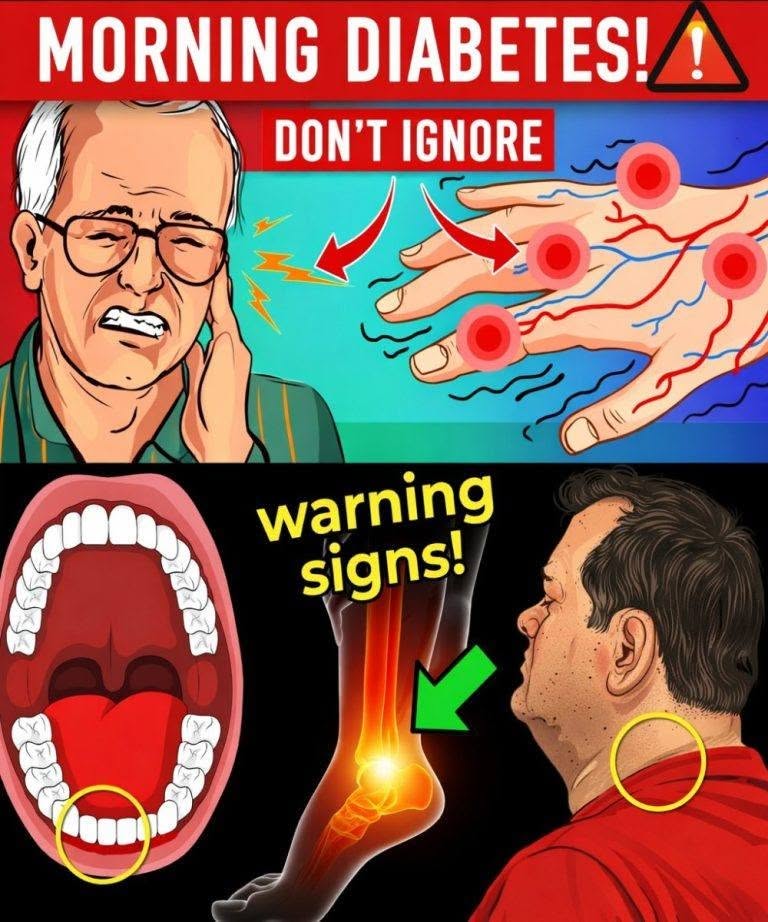
How you feel when you wake up can sometimes provide useful clues about your blood sugar. For people with diabetes or other blood-sugar concerns, certain morning symptoms may be worth paying attention to—especially when they happen repeatedly.
However, these symptoms are not specific to high or low blood sugar. Sleep problems, dehydration, medications, stress, and other health conditions can cause similar symptoms.
Here are seven morning signs that deserve attention.
1. Waking Up With a Very Dry Mouth
A dry mouth or intense thirst in the morning can occur after sleeping with your mouth open or becoming dehydrated. It can also occur when blood glucose is elevated and the body is losing more water through urination.
If excessive thirst happens regularly, checking your blood glucose and discussing the pattern with a healthcare professional may be appropriate.
2. Frequent Morning Headaches
Waking with a headache has many possible causes, including dehydration, poor sleep, sleep apnea, caffeine changes, and blood-glucose fluctuations.
If morning headaches are frequent—particularly if they occur alongside other symptoms—keep track of when they happen and discuss them with your doctor.
3. Feeling Extremely Tired After a Full Night’s Sleep
Persistent fatigue can have numerous causes. When blood glucose is consistently too high or too low, however, some people may experience tiredness or weakness.
If you regularly wake up exhausted despite getting adequate sleep, it is worth looking beyond sleep habits alone.
4. Shakiness, Sweating, or a Racing Heart
These can be symptoms of low blood sugar (hypoglycemia). They may occur overnight and be noticeable when you wake up.
For someone taking insulin or certain diabetes medications, recurrent nighttime or early-morning hypoglycemia is particularly important to discuss with a healthcare professional.
If you experience severe confusion, loss of consciousness, seizures, or cannot safely swallow, seek emergency medical assistance.
5. Waking Up Very Hungry
An unusually strong appetite in the morning can have many explanations, including an inadequate evening meal, increased physical activity, poor sleep, or changes in blood glucose.
If intense hunger repeatedly occurs alongside thirst, frequent urination, unexplained weight changes, or other symptoms, it deserves further evaluation.
6. Frequent Trips to the Bathroom Overnight
Needing to urinate repeatedly during the night can interfere with sleep and leave you tired the next morning.
High blood glucose can contribute to increased urination, but nighttime urination can also be caused by medications, urinary problems, sleep disorders, and other conditions.
Persistent changes should be discussed with a healthcare professional.
7. Blurry Vision When You Wake Up
Temporary changes in blood glucose can affect the eye’s focusing system and may cause episodes of blurred vision.
Because vision changes can also have other causes, recurring or sudden blurry vision should not automatically be blamed on blood sugar.
Sudden vision loss or a major change in vision requires urgent medical attention.
What Should You Do If You Notice These Signs?
Symptoms alone cannot tell you whether your blood sugar is high, low, or within your target range. If you have diabetes, following the glucose-monitoring plan recommended by your healthcare team can provide much more useful information.
Keep a record of recurring symptoms, glucose readings when available, meals, medications, and sleep patterns. This can help your healthcare professional identify possible patterns.
Do not change insulin or other diabetes medication doses based solely on an online article.
When Is It an Emergency?
Very high or very low blood sugar can become dangerous. Seek urgent medical help for severe confusion, fainting, seizures, difficulty breathing, persistent vomiting, or a person who is difficult to wake.
People with diabetes should follow their individual sick-day and emergency plan if they have one.
Final Thoughts
Morning symptoms can sometimes provide clues, but they are not a diagnosis. The most reliable way to understand what’s happening is to combine symptoms with blood-glucose measurements and professional medical advice.
If unusual symptoms keep returning, don’t simply ignore them. Track the pattern, check your blood sugar when appropriate, and speak with your healthcare team about what you’re experiencing.