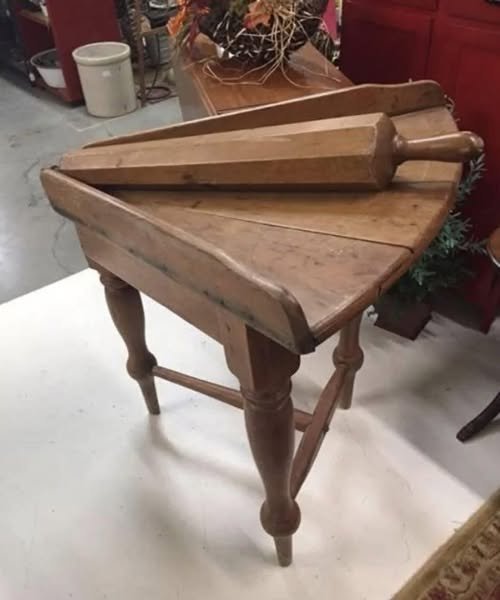
Discover the traditional dairy tool once used on farms to squeeze residual buttermilk from freshly churned butter and learn how this simple tool helped prepare butter for storage.
Squeezing Buttermilk: The Traditional Farm Tool Used to Work Fresh Butter
Before modern kitchen appliances and commercially produced butter became common, many farm families made their own butter from fresh cream. The process required several simple tools, each designed to perform a specific job.
One of these fascinating traditional dairy tools was used to press and squeeze excess buttermilk from freshly churned butter.
After cream was churned, small pieces of butter formed and separated from the liquid buttermilk. However, the butter still contained some of that liquid. It needed to be worked thoroughly to remove as much buttermilk as possible.
How Was the Tool Used?
Freshly churned butter was placed on the working surface of the tool. Pressure was then applied to the butter, allowing the remaining buttermilk to escape.
The butter could be turned, folded, and pressed repeatedly until it became firm and relatively free of excess liquid.
This process was important because too much residual buttermilk could affect the butter’s taste, texture, and storage life.
Why Was Removing Buttermilk Important?
Traditional farmers did not always have access to modern refrigeration. Properly preparing butter was therefore an important part of preserving it.
After churning, butter was often:
- Collected from the churn.
- Washed with cold water.
- Pressed or worked to remove remaining buttermilk.
- Salted when desired.
- Shaped and stored.
Removing excess liquid helped produce a firmer and better-preserved butter.
A Simple but Useful Farm Tool
Many traditional dairy tools were made from wood and reflected the practical craftsmanship of rural communities. They were simple, durable, and designed to make repetitive farm work easier.
What may look like an unusual wooden object today once had a very practical purpose in the farmhouse kitchen or dairy room.
A Glimpse Into Traditional Farm Life
Tools like this remind us how much work went into producing everyday foods before modern food-processing equipment existed.
Making butter was a hands-on process that required patience and several stages, from collecting cream to churning, washing, pressing, salting, and storing the finished butter.
The next time you see an old-fashioned butter-working tool, remember that it wasn’t just a strange wooden utensil—it was part of an important traditional method for turning fresh cream into homemade butter.