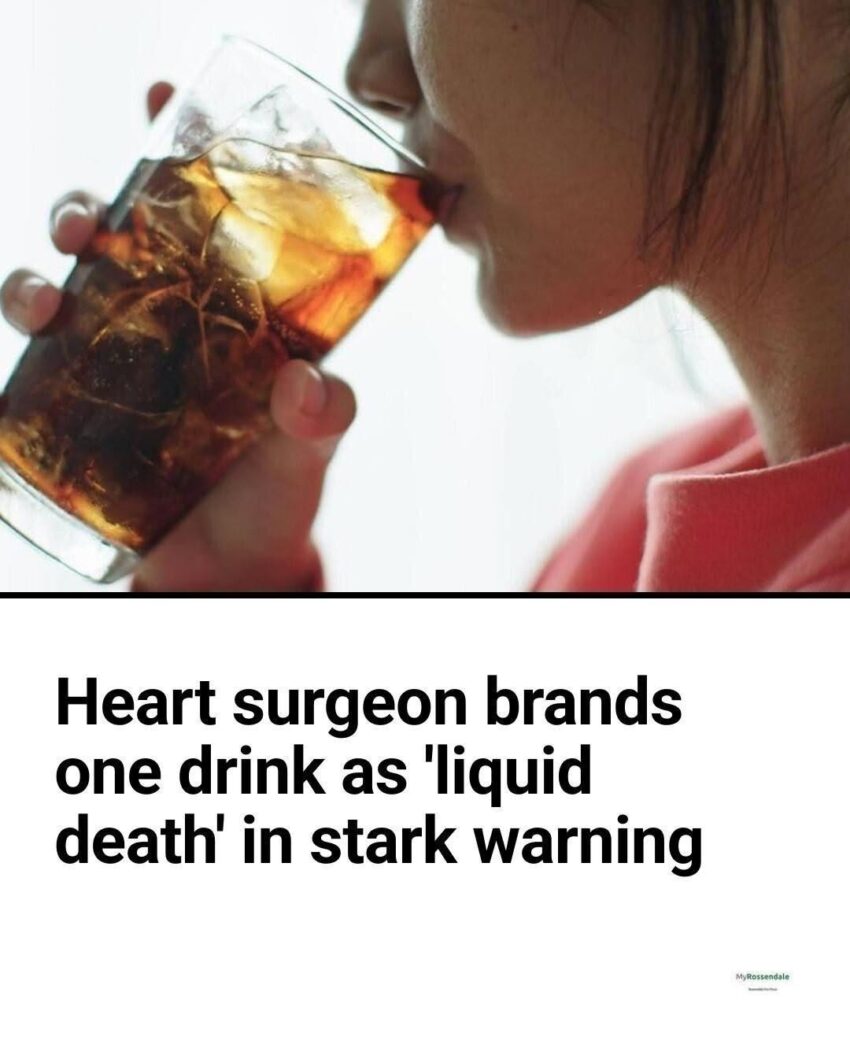
A heart surgeon has warned about everyday drinks that may affect cardiovascular health. Learn how sugary drinks, alcohol and high-caffeine beverages can affect blood pressure, weight and heart health.
A Heart Surgeon Warns About Everyday Drinks That Could Affect Your Heart Health
We often think about heart health in terms of exercise, cholesterol, blood pressure and smoking. But what we drink every day can also influence several of the factors that determine cardiovascular health.
In 2026, heart surgeon Dr. Jeremy London, a board-certified surgeon specializing in general, vascular and thoracic surgery, drew attention online after discussing the things he personally avoids as a heart surgeon. Among them were alcohol and carbonated beverages, alongside smoking and certain refined carbohydrate foods.
His comments have renewed an important question: Could some of the drinks we consume regularly be quietly working against our heart health?
The answer isn’t that every fizzy or caffeinated drink is dangerous. The bigger issue is what a drink contains, how much you consume and what your overall health looks like.
1. Sugary Soft Drinks
Regular soda and other sugar-sweetened beverages are among the drinks worth limiting if you’re trying to protect your cardiovascular health.
These beverages can contain substantial amounts of added sugar while providing little nutritional value. Drinking them frequently can make it easier to consume excess calories, which can contribute to weight gain.
Over time, excess weight can increase the likelihood of conditions such as high blood pressure and type 2 diabetes—both of which are important cardiovascular risk factors.
This is one reason replacing sugary beverages with water or other unsweetened options can be a simple dietary change.
What About Diet Soda?
Diet or zero-sugar soft drinks are different because they don’t contain the same amount of added sugar as regular soda.
However, that doesn’t necessarily make them a health drink.
Research surrounding artificially sweetened beverages and long-term cardiovascular outcomes is complicated, and individual products contain different ingredients. For everyday hydration, plain water remains a straightforward choice.
2. Energy Drinks and High-Caffeine Beverages
Energy drinks deserve particular attention because they can deliver substantial amounts of caffeine, sometimes along with other stimulants and added sugar.
The American Heart Association’s 2026 scientific statement on caffeine and cardiovascular disease found that moderate caffeine intake from coffee is generally safe for most adults. However, high doses—particularly those found in some energy drinks and energy shots—may raise blood pressure and increase the risk of abnormal heart rhythms.
This distinction is important.
Coffee and energy drinks should not automatically be treated as equivalent.
A regular cup of coffee contains caffeine along with many other compounds, while energy drinks may contain concentrated caffeine and additional ingredients that can accelerate its effects.
People who are sensitive to caffeine may experience:
- A racing heartbeat
- Palpitations
- Temporary increases in blood pressure
- Anxiety or shakiness
- Difficulty sleeping
Anyone experiencing repeated or concerning heart symptoms after consuming caffeinated products should discuss them with a healthcare professional.
3. Alcohol
Alcohol is another beverage that deserves careful consideration.
Dr. London has spoken strongly about his decision to avoid alcohol personally. However, the medical evidence is more nuanced than simply saying that every amount of alcohol causes heart disease.
According to the American Heart Association, heavy alcohol consumption and binge drinking are consistently associated with worse cardiovascular outcomes, including high blood pressure, coronary artery disease, stroke, abnormal heart rhythms, cardiomyopathy and heart failure.
The evidence surrounding light-to-moderate drinking is more complicated, and researchers have not established that alcohol should be considered part of a healthy lifestyle.
So if you don’t drink, there is no cardiovascular reason to start drinking.
4. Sweetened Coffee Drinks
Coffee itself isn’t necessarily the problem.
In fact, current research indicates that for most adults, moderate amounts of caffeinated coffee without excessive added sugar or fillers do not increase cardiovascular risk. The American Heart Association says up to about 400 mg of caffeine per day is generally safe for most adults.
The bigger concern can be what gets added to the coffee.
Large specialty coffees may contain substantial amounts of:
- Added sugar
- Flavored syrups
- Cream
- Whipped toppings
- High-calorie sauces
A coffee beverage can therefore become much closer to a dessert than a simple cup of coffee.
If you’re trying to improve your diet, consider gradually reducing added sugar and choosing simpler coffee preparations.
5. Very High-Calorie Drinks
Smoothies, milkshakes and specialty beverages can also contribute significant calories without making you feel as full as a balanced meal.
That doesn’t mean you have to eliminate every smoothie or dairy-based drink.
Instead, pay attention to ingredients and portion size.
A homemade smoothie made with fruit, plain yogurt and other nutritious ingredients is very different from a large commercial drink containing added syrups, sugar and whipped cream.
The Drink You Choose Most Often Matters
Having an occasional soft drink doesn’t mean you’re going to develop heart disease.
The bigger issue is habitual consumption.
If someone drinks sugary soda several times every day, consumes energy drinks frequently or regularly drinks large amounts of alcohol, those habits may have much greater implications for cardiovascular health than an occasional beverage.
Small changes can therefore make a meaningful difference.
Instead of focusing on one “bad” drink, consider what makes up your normal weekly routine.
What Should You Drink More Often?
For most people, simple choices are often the easiest.
Water
Water is the most straightforward choice for hydration and contains no added sugar or caffeine.
Unsweetened Tea
Tea can be a good alternative to sugary beverages. Current evidence has also associated tea consumption with favorable cardiovascular outcomes, although research continues.
Plain Coffee
For most adults, moderate amounts of coffee without excessive added sugar can fit into a healthy diet.
Water With Fruit
If plain water feels boring, adding slices of lemon, cucumber, orange or other fruit can provide flavor without turning it into a sugary beverage.
What About People With High Blood Pressure?
People with high blood pressure may need to be especially careful with beverages that contain substantial caffeine or added sugar.
High doses of caffeine can temporarily increase blood pressure, and excessive alcohol intake can also contribute to elevated blood pressure.
If you already have hypertension, don’t assume that a drink is safe simply because it is marketed as an energy, fitness or wellness product.
Check the label and discuss your caffeine and alcohol intake with your healthcare professional if you’re unsure.
Don’t Forget the Bigger Picture
Heart health isn’t determined by one drink.
Your cardiovascular risk is influenced by many factors, including:
- Blood pressure
- Cholesterol
- Blood sugar
- Physical activity
- Smoking
- Body weight
- Sleep
- Family history
- Diet
- Alcohol intake
- Existing heart or blood-vessel conditions
A person who occasionally drinks soda but otherwise follows healthy habits has a very different risk profile from someone consuming multiple sugary or alcoholic beverages every day while also smoking and having uncontrolled blood pressure.
A Simple Way to Improve Your Drinking Habits
You don’t have to change everything overnight.
Try making one change at a time:
Replace one sugary drink with water.
Reduce the amount of sugar you add to coffee or tea.
Limit energy drinks, particularly high-caffeine products.
Keep alcohol consumption low or avoid it altogether.
Read beverage labels instead of relying only on marketing claims.
Over time, these small choices can become part of a healthier routine.
Final Thoughts
The warning from heart surgeon Dr. Jeremy London has sparked renewed discussion about the beverages people consume every day. His strong personal stance against carbonated drinks and alcohol is worth considering, but medical evidence needs to be interpreted carefully rather than turning one doctor’s personal list into a universal rule.
The strongest practical lesson is simple: don’t make sugary, alcoholic or highly caffeinated beverages the foundation of your daily diet.
Water, unsweetened tea and appropriately consumed coffee are generally simpler choices for most adults.
And if you have high blood pressure, heart disease, an irregular heartbeat or another cardiovascular condition, your ideal caffeine and beverage intake may be different. In that situation, personalized advice from your healthcare professional is more useful than any viral health headline.