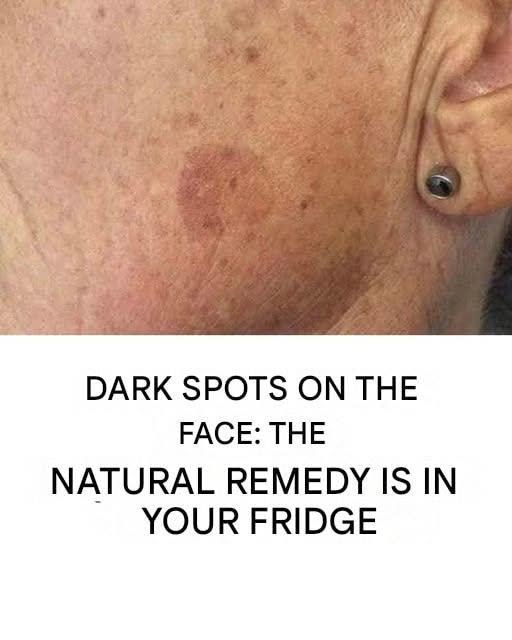
Want to improve the appearance of facial blemishes? Learn which gentle skincare ingredients can be combined safely with your routine and what actually helps fade dark spots over time.
Facial blemishes can be frustrating.
A small dark spot left behind after a pimple, uneven skin tone, or occasional breakouts can make the skin look less smooth even when the original problem has disappeared. This is why simple home skincare tips promising clearer skin often spread quickly online.
But before adding a random ingredient to your favorite cream, there is an important question to ask:
Is the ingredient actually safe for your skin?
Some ingredients can support a more even-looking complexion, while others can irritate the skin and make dark marks even more noticeable.
The good news is that you don’t need a complicated routine to improve the appearance of blemishes.
What Causes Facial Blemishes?
“Blemishes” can refer to several different things, including:
- Dark marks left after acne
- Red or brown spots
- Active pimples
- Uneven pigmentation
- Sun-related dark spots
- Small areas of irritation
One common cause of dark marks is post-inflammatory hyperpigmentation.
When the skin becomes inflamed after a pimple, irritation, or injury, it can produce extra pigment. The inflammation may disappear quickly, but the resulting discoloration can remain for weeks or months.
This is why treating the original inflammation is only part of the solution.
One of the Most Important Ingredients: Niacinamide
If you’re looking for an ingredient that can fit into a simple skincare routine, niacinamide is worth knowing about.
Niacinamide is a form of vitamin B3 used in many skincare products.
It can help support the skin barrier and may improve the appearance of uneven pigmentation and redness over time.
Rather than mixing a powder or concentrated ingredient directly into your moisturizer, it is generally safer to use a properly formulated niacinamide serum or cream.
Why formulation matters
Skincare products are formulated with specific concentrations and pH levels.
Adding a concentrated active ingredient to another cream at home can change the product’s stability or increase the chance of irritation.
So instead of experimenting with kitchen ingredients, choose a product that is already formulated for facial use.
Don’t Forget Sunscreen
If dark marks are your main concern, sunscreen may be more important than any DIY mixture.
UV exposure can worsen pigmentation and make existing dark spots take longer to fade.
A broad-spectrum sunscreen used consistently during the day can help protect the skin while other treatments work.
For people prone to pigmentation, sunscreen can be an essential part of a routine rather than an optional extra.
What About Aloe Vera?
Aloe vera is often used in home skincare because it can feel soothing and moisturizing.
A simple aloe-based product may be comfortable for some people, particularly when the skin feels irritated.
However, aloe vera should not be considered a guaranteed treatment for dark spots.
If you use an aloe product, choose one intended for facial use and check the ingredient list, particularly if your skin is sensitive.
What About Lemon Juice?
This is one DIY remedy worth avoiding.
Lemon juice is sometimes recommended online for lightening dark spots, but applying acidic citrus juice directly to the face can cause irritation.
In some circumstances, citrus compounds combined with sunlight can trigger skin reactions and potentially leave pigmentation worse than before.
Natural does not automatically mean safe.
What About Toothpaste?
Toothpaste is another popular internet remedy for pimples.
But toothpaste is designed for teeth, not facial skin.
It can contain ingredients that irritate the skin and cause dryness, burning, redness, or peeling.
That irritation can potentially make blemishes look worse.
A gentle acne treatment designed specifically for facial skin is a much better option.
A Simple Routine for Blemish-Prone Skin
You don’t need ten different products.
A basic routine can look like this:
Morning
1. Gentle cleanser
Wash away excess oil without aggressively scrubbing the skin.
2. Moisturizer
Use a lightweight, non-comedogenic moisturizer if your skin is prone to clogged pores.
3. Sunscreen
Apply broad-spectrum SPF during the day and reapply when appropriate, especially during prolonged outdoor exposure.
Evening
1. Gentle cleansing
Remove sunscreen, makeup, sweat, and accumulated oil.
2. One targeted treatment
Depending on the problem, this could be a properly formulated niacinamide, azelaic acid, or another dermatologist-recommended product.
3. Moisturizer
Support the skin barrier with a gentle moisturizer.
The important word is one.
Adding several strong ingredients at once can cause irritation and make it difficult to determine which product is helping or causing a reaction.
How Long Does It Take for Dark Marks to Fade?
This is where patience becomes important.
A blemish may disappear within days, but the pigmentation left behind can take considerably longer.
The timeline depends on factors such as:
- Your skin type
- The depth of pigmentation
- Sun exposure
- Whether new breakouts continue
- How much the skin is being irritated
- The products being used
Trying to remove a mark aggressively can actually prolong the problem.
Gentle and consistent skincare is usually a better strategy.
Don’t Pick Your Pimples
One of the simplest ways to reduce future blemishes is also one of the hardest:
Don’t squeeze or pick at pimples.
Picking can increase inflammation and damage the skin.
That can increase the likelihood of lingering discoloration and, in some cases, scarring.
Allowing acne to heal with appropriate treatment can help reduce these problems.
When Should You See a Dermatologist?
Not every dark spot is acne-related.
See a dermatologist if:
- A spot changes in size, shape, or color
- A mark repeatedly bleeds or crusts
- A new unusual spot appears and doesn’t heal
- Pigmentation is spreading rapidly
- Acne is painful or leaving scars
- Over-the-counter products aren’t helping
- Your skin develops persistent burning or irritation
A dermatologist can determine whether you’re dealing with acne marks, melasma, another pigmentation disorder, or something requiring different treatment.
The Bottom Line
There is no magic ingredient that can make every facial blemish disappear overnight.
Instead of mixing random substances into your cream, focus on well-formulated skincare ingredients, gentle cleansing, adequate moisturizing, and daily sun protection.
Ingredients such as niacinamide or azelaic acid may help improve the appearance of certain types of discoloration, but results take time.
And remember: if a DIY remedy burns, stings, or makes your skin noticeably red, that isn’t proof that it’s working.