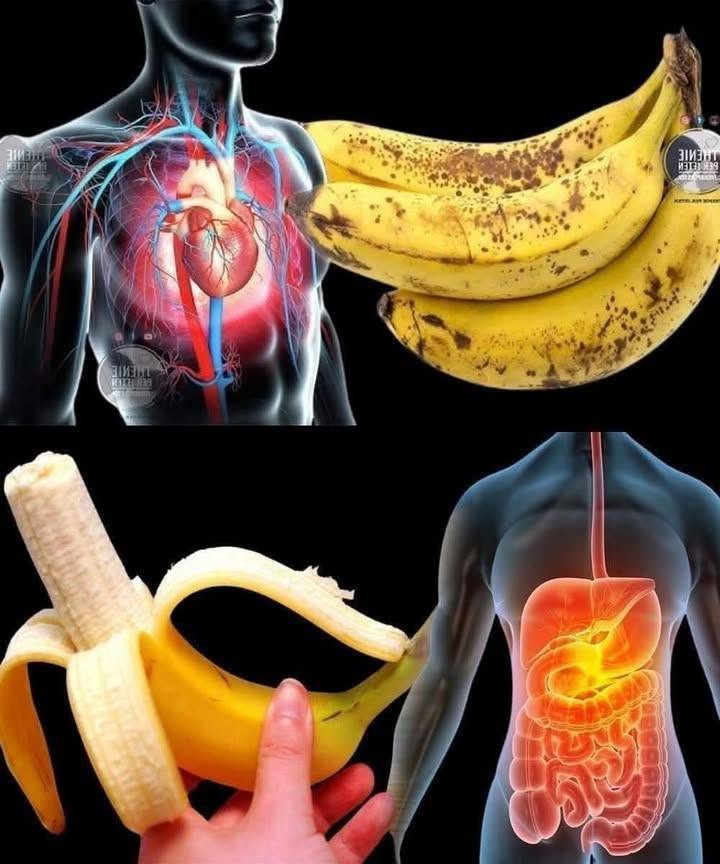
Bananas are one of the world’s most popular fruits, and they are often associated with potassium, energy and healthy digestion. But you may have heard claims that eating bananas “increases” something in the body.
So, what does eating bananas actually increase?
The answer depends on what you’re measuring and how ripe the banana is.
1. Bananas Can Increase Potassium Intake
One of the best-known nutritional benefits of bananas is their potassium content.
Potassium is an essential mineral involved in:
- Normal muscle function
- Nerve signaling
- Fluid balance
- Maintaining normal blood pressure
A medium banana provides roughly 400 mg of potassium, although the exact amount varies with size and variety.
Eating bananas can therefore make a useful contribution to your daily potassium intake.
2. Bananas Can Increase Your Fiber Intake
Bananas contain dietary fiber, which is important for normal digestion.
A medium banana provides around 3 grams of fiber. Fiber can help support regular bowel movements and contributes to a feeling of fullness.
Less-ripe bananas also contain more resistant starch, a type of carbohydrate that reaches the large intestine and can be fermented by gut bacteria.
3. Bananas Can Increase Blood Sugar
This is an important distinction.
Bananas contain natural carbohydrates, so eating one will increase blood glucose to some degree, particularly as the banana becomes riper.
However, this doesn’t mean bananas are unhealthy.
The blood-sugar response depends on:
- How ripe the banana is
- How large it is
- What else you eat with it
- Your individual metabolism
- Whether you have diabetes or insulin resistance
A slightly firm banana generally contains more resistant starch than a very ripe, heavily spotted banana.
4. Bananas Can Increase Energy Availability
Because bananas contain carbohydrates, they can provide readily available energy.
That’s one reason they’re popular as a convenient snack before or after physical activity.
Pairing a banana with a source of protein or healthy fat—such as plain yogurt, nuts or peanut butter—can make the snack more filling.
5. Bananas May Help Increase Feelings of Fullness
The combination of water, fiber and carbohydrates can make a banana reasonably satisfying for its calorie content.
However, bananas aren’t a magic weight-loss food. Your overall diet and calorie intake matter much more than any individual fruit.
6. Do Bananas Increase Blood Pressure?
Not usually.
In fact, potassium-rich foods such as bananas can be part of a healthy diet designed to support normal blood pressure.
But eating a banana should not be considered a treatment for hypertension. People with high blood pressure should follow their prescribed treatment and dietary advice.
7. Do Bananas Increase Cholesterol?
Bananas contain virtually no dietary cholesterol because cholesterol is found in animal-derived foods, not fruits.
They also contain no significant amount of saturated fat.
Replacing highly processed snacks with fruit can therefore be a heart-friendly dietary choice.
8. Do Bananas Increase Weight?
A banana does contain calories and carbohydrates, but eating bananas by itself does not automatically cause weight gain.
Weight changes are primarily influenced by overall energy intake, activity, appetite and dietary patterns.
A banana can fit comfortably into a balanced diet.
9. What About Very Ripe Bananas?
As bananas ripen, some of their starch is converted into simpler sugars. That’s why a spotted banana tastes considerably sweeter and softer than a green one.
If you prefer a less sweet option, choose a banana that is yellow but still slightly firm.
If you’re looking for a sweeter banana for oatmeal, smoothies or baking, a ripe or spotted banana works well.
10. How Many Bananas Should You Eat?
For most healthy adults, one banana a day can easily fit into a balanced diet.
You don’t need to eat several bananas to obtain potassium or other nutrients. It’s generally better to obtain nutrients from a variety of fruits, vegetables, legumes, whole grains, nuts and other foods.
People with kidney disease or conditions requiring potassium restriction should ask their healthcare professional before deliberately increasing high-potassium foods.
The Bottom Line
So, does eating bananas “increase” something?
Yes—but not in the sensational way many social-media headlines suggest.
Bananas increase your intake of important nutrients such as potassium, fiber and carbohydrates, and they can provide convenient energy. They can also raise blood glucose to some degree, particularly when eaten very ripe.
For most people, a banana is a nutritious, affordable fruit that can be part of a healthy everyday diet.
Meta Description: Discover what eating bananas can actually increase in your body, including potassium, fiber, energy and blood sugar, plus the differences between green, yellow and ripe bananas.