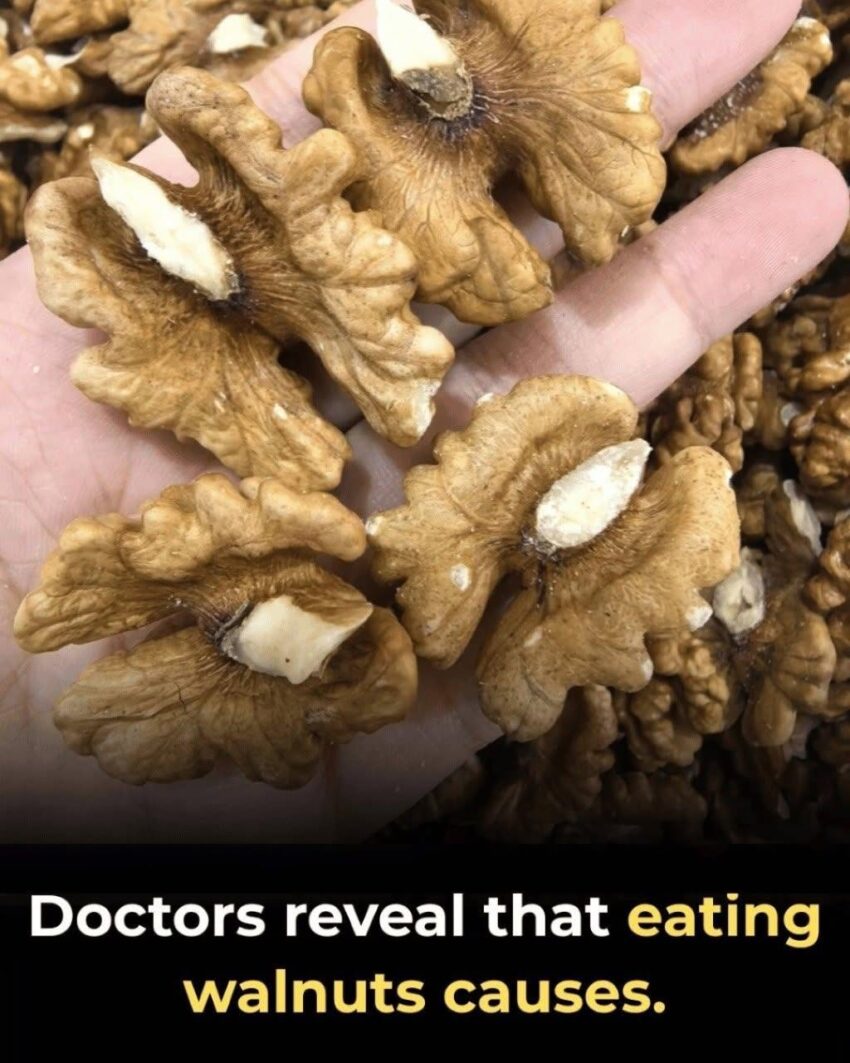
Walnuts may look like ordinary nuts, but these crunchy little foods contain nutrients that can support several aspects of your health. Rich in healthy fats, plant-based omega-3 fatty acids, fiber, and antioxidants, walnuts are a popular addition to a balanced diet.
But what actually happens when you eat walnuts regularly? Can they improve heart health, support brain function, help with digestion, or affect your weight?
Nutrition experts recognize walnuts as a nutritious food, although their benefits depend on your overall diet, portion size, and individual health needs. Some effects are supported by human research, while others remain under investigation.
Let’s explore nine possible changes associated with eating walnuts regularly, including their benefits, potential drawbacks, and the best way to enjoy them.
1. Walnuts May Support Heart Health
One of the best-studied benefits of walnuts is their potential to support cardiovascular health.
Walnuts contain alpha-linolenic acid (ALA), a plant-based omega-3 fatty acid. They also provide unsaturated fats, fiber, and other compounds that can contribute to a heart-healthy eating pattern.
Replacing foods rich in saturated fats with walnuts and other nuts may help improve certain cholesterol measurements, including LDL cholesterol.
Why it matters: Elevated LDL cholesterol is a risk factor for cardiovascular disease. Choosing more unsaturated fats and fewer saturated fats can help support healthier cholesterol levels.
A practical tip: Add a small handful of unsalted walnuts to oatmeal, salads, or plain yogurt instead of using them as an extra snack on top of an already calorie-rich diet.
Walnuts are not a replacement for cholesterol-lowering medication or medical advice.
2. They Provide Nutrients Important for Brain Function
Walnuts are often associated with brain health because their shape resembles the human brain. However, their nutritional value—not their appearance—is what makes them interesting to researchers.
They contain ALA, polyphenols, vitamin E, and other nutrients involved in normal cellular function.
Researchers have investigated whether walnuts may help support cognitive performance and healthy aging. Some findings are promising, but human studies have not consistently established that eating walnuts improves memory or prevents dementia.
What you can do: Include walnuts as part of a varied diet that also contains vegetables, fruit, whole grains, legumes, and other nutrient-rich foods.
Walnuts can contribute to good nutrition, but they should not be viewed as a treatment for memory loss or neurological disease.
3. Walnuts May Help Improve Your Cholesterol Profile
Walnuts contain unsaturated fats and plant compounds that may contribute to improvements in blood lipid levels.
Research suggests that regular walnut consumption can modestly improve some cholesterol measurements in certain populations, particularly when walnuts replace less healthy foods.
However, the results depend on a person’s starting cholesterol levels, overall diet, and other lifestyle factors.
Try this: Replace a serving of cookies, chips, or another snack high in saturated fat with a modest portion of unsalted walnuts.
This substitution may be more beneficial than simply adding walnuts to your existing diet without changing anything else.
4. They Can Support Healthy Digestion
Walnuts provide dietary fiber, which contributes to normal bowel function and supports the gut microbiome.
Your gut microbiome consists of microorganisms that live in the digestive tract and interact with the foods you eat.
Some research suggests that walnut consumption may influence the composition or activity of these microorganisms. However, the exact effects on digestive health and long-term disease risk are still being investigated.
Possible effects include:
- Supporting regular bowel movements as part of a fiber-rich diet.
- Providing nutrients to help maintain a varied diet that supports gut health.
- Contributing to the diversity of foods consumed by gut microorganisms.
Eating a large quantity suddenly may cause gas, bloating, or digestive discomfort in some people. Increase your intake gradually if you are not accustomed to eating fiber-rich foods.
5. Walnuts May Help You Feel Fuller After Eating
Although walnuts are relatively high in calories, they may help you feel satisfied because they contain fat, fiber, and protein.
Feeling satisfied after a snack may make it easier to manage hunger between meals.
However, walnuts do not automatically cause weight loss. Eating large portions on top of your usual food intake can increase your total calorie consumption.
A sensible portion: Around 28 grams, or one small handful, is a practical serving for many adults. This provides roughly 180–200 calories, depending on the walnuts and how they are measured.
For weight management, consider replacing another snack with walnuts rather than adding them without adjusting your overall intake.
6. They May Contribute to Better Blood Vessel Function
The unsaturated fats and plant compounds in walnuts have attracted research interest because they may influence blood vessel function and inflammation.
Healthy blood vessels are important for normal circulation and cardiovascular function.
Some human studies have reported improvements in certain markers of vascular health after walnut consumption, but results vary. It is not accurate to promise that walnuts will lower everyone’s blood pressure or prevent heart disease on their own.
The bigger picture: Regular physical activity, avoiding tobacco, getting adequate sleep, and managing blood pressure and cholesterol remain important components of cardiovascular health.
7. Walnuts Supply Plant-Based Omega-3 Fatty Acids
Walnuts are an especially useful source of ALA, an essential omega-3 fatty acid that the body cannot produce on its own.
Omega-3 fatty acids play roles in normal cell structure and function. ALA can be converted into the longer-chain omega-3 fatty acids EPA and DHA, but this conversion is limited.
That distinction matters because walnuts do not provide the same amounts or forms of omega-3 fatty acids found in oily fish.
For people who follow plant-based diets, walnuts can be one useful source of ALA alongside flaxseeds, chia seeds, and certain vegetable oils.
8. Walnuts Provide Antioxidants and Other Essential Nutrients
Walnuts contain several nutrients and plant compounds, including:
- Copper: Helps support normal energy metabolism and connective tissue function.
- Manganese: Plays a role in metabolism and antioxidant enzyme activity.
- Magnesium: Supports normal muscle and nerve function.
- Polyphenols: Plant compounds being studied for their antioxidant and other biological activities.
These nutrients contribute to normal body functions, but eating more walnuts than you need will not necessarily provide additional benefits.
The best approach is to obtain a variety of nutrients from a diverse diet rather than relying on one food.
9. Eating Too Many Walnuts Can Cause Problems for Some People
Despite their nutritional benefits, walnuts are not suitable for everyone in every circumstance.
Nut allergies
Walnuts are tree nuts and can trigger serious allergic reactions in people with a walnut allergy.
Symptoms can include itching, hives, vomiting, swelling, and breathing difficulties. Trouble breathing, throat swelling, or faintness after eating walnuts requires emergency medical attention.
People with a known walnut allergy should avoid them and follow their clinician’s allergy-management plan.
Digestive discomfort
Large portions may cause bloating, gas, or discomfort, especially in people who are sensitive to higher-fat foods or increasing their fiber intake.
Excess calorie intake
Walnuts are energy-dense. Eating large quantities without accounting for their calories may make weight management more difficult for some people.
Individual dietary restrictions
People with particular medical conditions or prescribed dietary restrictions may need individualized guidance about portions and food choices.
For most people without a walnut allergy, moderate portions can fit comfortably into a balanced diet.
How Many Walnuts Should You Eat Per Day?
There is no universal daily walnut requirement. A serving of approximately 28 grams is a useful starting point for many adults.
That is roughly a small handful, although the exact number of walnut halves varies by size.
For a balanced approach:
- Choose plain or unsalted walnuts most often.
- Add them to breakfast, salads, or snacks.
- Use them to replace foods that are higher in saturated fat or added sugar.
- Consider your overall calorie needs and dietary preferences.
- Store walnuts in an airtight container in a cool place, or refrigerate them to help preserve freshness.
If you have a nut allergy, do not try walnuts to test your tolerance.
Frequently Asked Questions
Are walnuts good to eat every day?
For most people without a walnut allergy, a moderate daily portion can be part of a healthy diet. Eating walnuts regularly may help improve some cholesterol measurements, particularly when they replace less healthy foods.
Do walnuts improve memory?
Walnuts contain nutrients involved in normal brain function, but evidence that eating walnuts directly improves memory or prevents dementia remains inconclusive.
Are walnuts good for people with diabetes?
Walnuts can fit into many diabetes-friendly eating patterns because they provide unsaturated fats, fiber, and relatively little digestible carbohydrate per serving. However, they do not replace diabetes medication or blood glucose monitoring.
Can walnuts help with weight loss?
Walnuts may help with satiety, but weight loss depends on overall energy intake and expenditure. Portion size matters because walnuts are calorie-dense.
Is it better to eat walnuts in the morning or at night?
There is no strong evidence that one time of day is universally better. Choose a time that fits your eating habits and nutritional needs.
Should walnuts be soaked before eating?
Soaking walnuts is a matter of preference. There is no strong evidence that soaking is necessary to obtain their main nutritional benefits.
Final Thoughts
Walnuts are more than a convenient snack. They provide plant-based omega-3 fatty acids, unsaturated fats, fiber, minerals, and beneficial plant compounds that can contribute to a healthy eating pattern.
Eating them regularly may support a healthier cholesterol profile, provide nutrients important for normal brain and digestive function, and help you feel satisfied between meals.
However, walnuts are not a miracle food. They cannot guarantee protection against heart disease, dementia, diabetes, or other illnesses.
For most people, the smartest approach is simple: enjoy a moderate portion of walnuts as part of a varied diet, pay attention to allergies and individual needs, and focus on healthy habits consistently.
A small handful can be a nutritious choice—but your overall diet matters more than any single food.
Medical Disclaimer
This article is for educational purposes only and is not a substitute for personalized medical or nutritional advice. Consult a qualified healthcare professional about dietary changes related to a medical condition or food allergy.