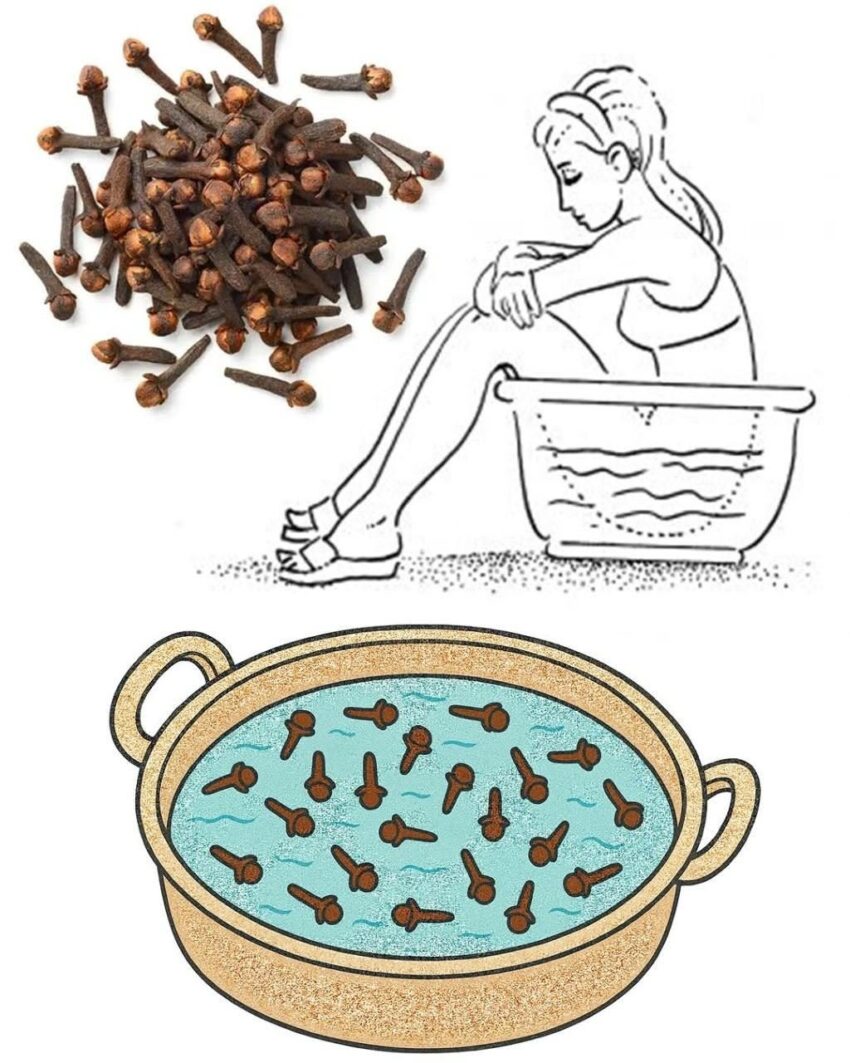
Cloves are tiny, aromatic spice buds, but they contain a variety of naturally occurring plant compounds that have attracted scientific interest.
Used for centuries in cooking and traditional practices, cloves contain eugenol, a compound with antioxidant and antimicrobial properties. But that doesn’t mean cloves are a cure for hormonal problems, infertility, weight loss, or other health conditions.
So what should women actually know about this popular spice?
1. Cloves Contain Antioxidant Compounds
Cloves are particularly rich in plant compounds such as eugenol. Antioxidants help protect cells from oxidative stress.
Adding cloves to meals can be a flavorful way to include plant compounds in your diet, although cloves should be viewed as a food ingredient rather than a medicine.
2. They May Support Oral Health
Clove and eugenol have been studied for their antimicrobial and pain-relieving properties, and clove-derived ingredients are used in some dental products.
However, applying undiluted clove oil directly to the gums or teeth can cause irritation or tissue damage. For tooth pain, a dentist should address the underlying problem rather than relying on cloves as a treatment.
3. Cloves Can Add Flavor Without Much Sugar or Salt
A small amount of ground cloves can add a strong, warm flavor to oatmeal, tea, baked goods, curries, marinades, and other dishes.
Because their flavor is intense, you usually need only a small amount.
4. What About Women’s Hormones?
You’ll find online claims that cloves can “balance hormones,” regulate menstrual cycles, increase fertility, or treat reproductive conditions.
These claims are not well established by high-quality human research. Animal or laboratory findings cannot automatically be translated into proven benefits for women.
If you have irregular periods, fertility concerns, severe menstrual pain, or other reproductive symptoms, it’s better to discuss them with a healthcare professional.
5. Can Cloves Help With Menstrual Pain?
Clove has traditionally been used for various types of pain, and researchers have investigated compounds found in cloves for their biological effects.
However, there isn’t enough strong clinical evidence to recommend cloves as a proven treatment for menstrual pain.
Persistent or unusually severe period pain deserves medical evaluation because conditions such as endometriosis or fibroids can sometimes be responsible.
6. What About Clove Water?
Clove water has become popular online, with claims ranging from improved digestion to hormone balance and weight loss.
Drinking a homemade clove infusion isn’t a proven treatment for these conditions. If you enjoy the flavor, a modest amount may be incorporated into a normal diet, but concentrated preparations should not be assumed to be safer or more effective.
7. Be Careful With Clove Oil
Clove essential oil is much more concentrated than the spice used in cooking.
Swallowing concentrated clove oil can be dangerous, and applying it directly to the skin or inside the mouth may cause irritation or burns.
Keep essential oils away from children and use them only according to appropriate safety instructions.
8. Pregnancy and Medications Matter
If you’re pregnant, breastfeeding, preparing for surgery, or taking medication, be cautious with concentrated clove preparations or supplements.
Food amounts used in normal cooking are different from medicinal or highly concentrated doses. If you’re considering using cloves therapeutically, ask a healthcare professional about your individual situation.
The Bottom Line
Cloves are a flavorful spice containing interesting plant compounds, particularly eugenol. They can be part of a balanced diet and may have useful properties that researchers continue to study.
But there is no magic “power” of cloves that can replace medical care or guarantee hormonal, reproductive, or weight-loss benefits.
Enjoy cloves as a spice—but be skeptical of claims that promise dramatic health effects from clove water, supplements, or concentrated clove oil.