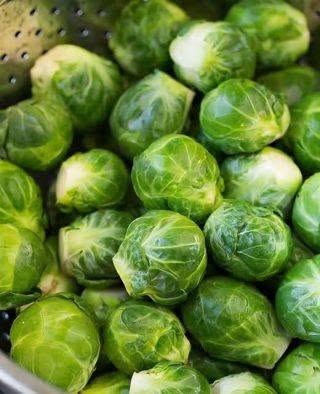
Are Brussels sprouts really worth eating? Discover their nutritional benefits, why some people dislike them, how to cook them properly, and easy recipes that make them delicious.
Brussels sprouts have a reputation for being one of the most disliked vegetables on the dinner table. Their small, cabbage-like appearance and slightly bitter flavor can make people hesitate before taking a bite. Some people remember being served mushy, strong-smelling Brussels sprouts as children and have avoided them ever since. Others genuinely enjoy them, especially when they are cooked until golden and crispy.
So, honestly, does anyone actually eat Brussels sprouts? Absolutely! And many people who once disliked them have changed their minds after trying a different cooking method.
What Are Brussels Sprouts?
Brussels sprouts are small, round vegetables belonging to the same family as cabbage, broccoli, and cauliflower. They grow along a thick central stalk and resemble miniature cabbages.
Although they are available in many grocery stores throughout the year, they are especially popular during the cooler months and around holiday meals. They can be boiled, steamed, roasted, sautéed, grilled, or cooked in an air fryer.
Their flavor is mildly nutty and earthy when prepared correctly, although they can taste bitter if overcooked.
Why Do Some People Dislike Brussels Sprouts?
There are several reasons these vegetables have such a mixed reputation.
1. Their strong smell
Brussels sprouts contain sulfur-containing compounds. When they are cooked for too long, these compounds can create a strong smell that many people find unpleasant.
2. Their bitter flavor
Some people are naturally more sensitive to bitter flavors. Brussels sprouts also vary in taste depending on their freshness, variety, and preparation.
3. The way they are cooked
Boiling Brussels sprouts for too long can leave them soft, watery, and strong-smelling. Roasting them, on the other hand, creates browned edges and a richer, nuttier flavor.
4. Childhood memories
For many people, the dislike began at the dinner table when they were young. A poorly cooked vegetable can leave a lasting impression, even when it tastes completely different when prepared another way.
Are Brussels Sprouts Actually Healthy?
Yes. Brussels sprouts are nutrient-rich vegetables that can be a useful addition to a balanced diet.
They provide:
- Vitamin C: Supports normal immune function and collagen production.
- Vitamin K: Helps with normal blood clotting and bone health.
- Fiber: Supports digestive health and regular bowel movements.
- Folate: Helps the body produce DNA and supports normal cell division.
- Antioxidant compounds: Help protect cells from oxidative damage as part of an overall healthy diet.
Brussels sprouts are also relatively low in calories, making them a practical choice for people who want satisfying, nutritious meals.
However, no single vegetable prevents or cures disease. Their benefits are best enjoyed as part of a varied diet.
The Secret to Making Brussels Sprouts Taste Better
If you have only tried boiled Brussels sprouts, you may be surprised by how much the flavor changes when you roast them.
Crispy Garlic Parmesan Brussels Sprouts
Ingredients
- 500 g Brussels sprouts
- 1–2 tablespoons olive oil
- 2 cloves garlic, minced
- ¼ teaspoon salt, or to taste
- Black pepper to taste
- 2 tablespoons grated Parmesan cheese
- A small squeeze of lemon juice, optional
Instructions
- Preheat the oven to 200°C (400°F).
- Wash the Brussels sprouts, remove any damaged outer leaves, and trim the tough ends.
- Cut each sprout in half lengthwise.
- Toss them with olive oil, garlic, salt, and black pepper.
- Arrange them in a single layer on a baking tray, placing the cut sides down where possible.
- Roast for approximately 20–30 minutes, turning if needed, until the centers are tender and the outer leaves are golden and crisp.
- Sprinkle with Parmesan and add a little lemon juice before serving.
Cooking time depends on the size of the sprouts and your oven, so check for tenderness before serving.
Other Easy Ways to Enjoy Them
- Air fryer: Toss halved sprouts with oil and seasoning, then air-fry at around 190°C until browned and tender, shaking the basket occasionally.
- With honey and mustard: Add a small amount of honey and mustard after roasting for a sweet-and-tangy flavor.
- With bacon or turkey bacon: Combine roasted sprouts with crisp pieces for a savory side dish.
- With potatoes: Roast them alongside potatoes, onions, and your favorite herbs.
- With lemon and garlic: Keep the seasoning simple to let the roasted flavor shine.
Can You Eat Brussels Sprouts Every Day?
For most people, Brussels sprouts can be eaten regularly as part of a balanced diet. However, a sudden increase in fiber may cause gas, bloating, or abdominal discomfort. Start with a small serving if you are not accustomed to eating many cruciferous vegetables.
People taking warfarin or certain other vitamin K-sensitive anticoagulants should keep their vitamin K intake consistent and follow their clinician’s advice rather than suddenly making major dietary changes.
The Final Verdict
Brussels sprouts may not be everyone’s favorite vegetable, but their reputation might be worse than they deserve. The secret is usually simple: avoid overcooking them, give them enough space to brown, and season them well.
If you have always hated Brussels sprouts, try roasting a small batch before deciding they are not for you. You might discover that crispy, golden Brussels sprouts are surprisingly delicious.
Now it’s your turn: Are you on Team Brussels Sprouts, or would you happily leave the entire bowl untouched? And if you do enjoy them, what’s your favorite way to cook them?