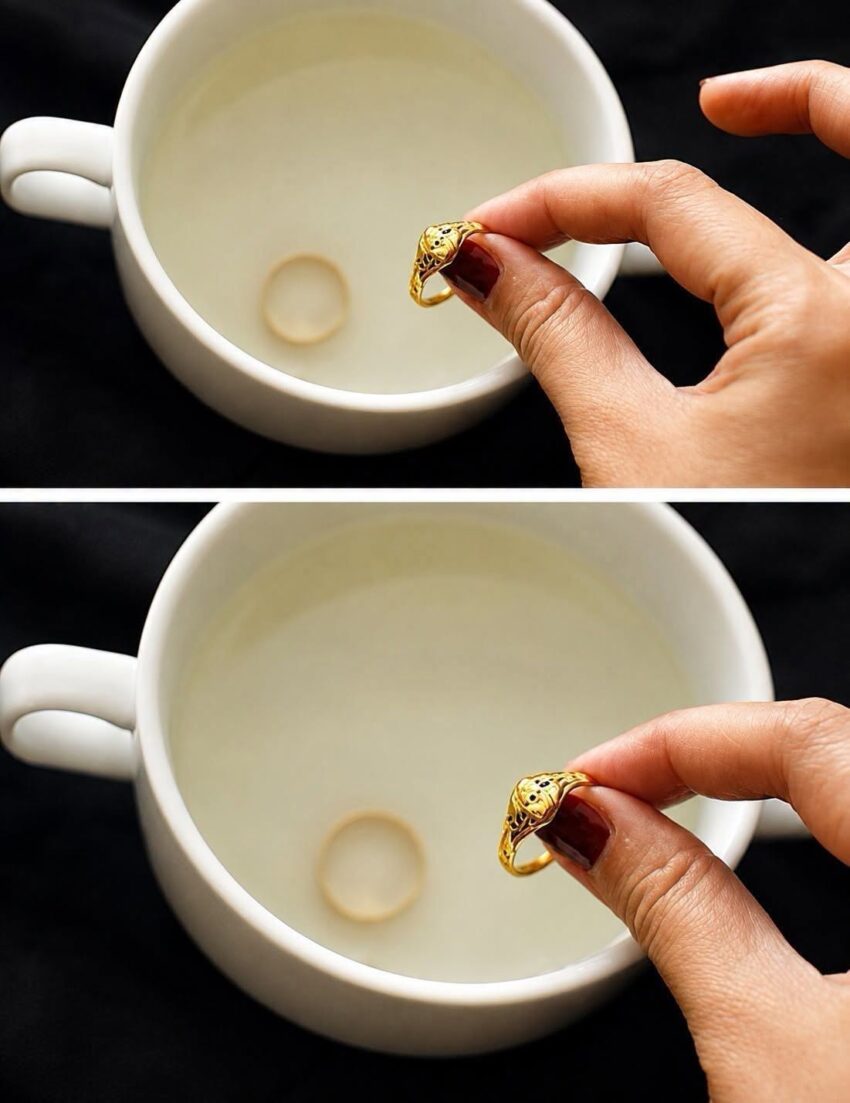
Jewelry can lose its sparkle over time. Everyday wear exposes rings, earrings, necklaces, and bracelets to body oils, dust, lotions, soap, and other residues. The good news is that you often don’t need an expensive jewelry cleaner to freshen up your favorite pieces.
For many everyday pieces, a gentle cleaning method using lukewarm water and mild dish soap is all you need.
What You’ll Need
- A small bowl
- Lukewarm water
- A few drops of mild dish soap
- A very soft toothbrush or soft-bristled brush
- A clean microfiber or soft cotton cloth
- A dry towel
Avoid very hot water, harsh chemicals, abrasive powders, and rough brushes, as they can damage some jewelry.
The Simple Cleaning Method
Step 1: Prepare the Cleaning Solution
Fill a small bowl with lukewarm water and add just a few drops of mild dish soap.
Mix gently until the soap is distributed through the water. You don’t need a strong or heavily foaming solution.
Step 2: Let the Jewelry Soak
Place suitable jewelry in the solution for around 5–10 minutes.
This gives the water and soap time to loosen oils and everyday buildup.
However, don’t soak every type of jewelry. Pieces containing delicate stones, pearls, porous materials, glued settings, or sensitive finishes may require a different cleaning method.
Step 3: Gently Remove Dirt
For sturdy jewelry, use a very soft toothbrush to gently clean around settings, links, and other hard-to-reach areas.
Use a light touch. Scrubbing aggressively can create scratches or loosen stones.
Step 4: Rinse Carefully
Rinse the jewelry with clean lukewarm water to remove soap residue.
If you’re cleaning a small piece, place a fine strainer over the sink or clean it over a bowl so it doesn’t accidentally disappear down the drain.
Step 5: Dry and Polish
Pat the jewelry dry with a soft cloth. Then gently buff the surface with a clean microfiber cloth.
Allow the piece to dry completely before storing it.
What About Gold and Silver?
Solid gold jewelry generally tolerates gentle soap-and-water cleaning well.
Silver can develop a dark tarnish over time. A suitable silver-polishing cloth can help remove light tarnish without aggressively scrubbing the metal.
Gold-plated jewelry needs extra care because vigorous polishing can gradually wear away the thin gold layer.
Be Careful With Gemstones
Not every gemstone should be treated the same way.
Some stones can be sensitive to heat, chemicals, prolonged soaking, or sudden temperature changes. Pearls are particularly delicate and should generally be kept away from harsh cleaners and prolonged soaking.
If you’re unsure about a valuable, antique, or delicate piece, check the manufacturer’s care instructions or ask a professional jeweler before cleaning it.
Cleaning Mistakes to Avoid
Several popular DIY methods can do more harm than good.
Avoid using toothpaste, abrasive powders, bleach, or strong household cleaners on jewelry unless the manufacturer specifically recommends them.
Also avoid vigorous scrubbing. Jewelry may look tough, but delicate finishes and settings can be surprisingly easy to damage.
How to Keep Jewelry Shiny Longer
Cleaning is only part of jewelry care.
Remove jewelry before swimming, showering, exercising, or applying lotions and perfumes when appropriate. Store pieces separately so they don’t scratch or tangle with one another.
Keeping jewelry in a dry, clean storage area can also reduce exposure to moisture and everyday contaminants.
A quick wipe with a soft cloth after wearing a piece can help remove oils and residue before they build up.
When Professional Cleaning Is Better
If a valuable piece has loose stones, deep scratches, significant tarnish, or an unusual finish, professional cleaning may be the safest option.
A jeweler can also check whether prongs, clasps, or settings have become loose while cleaning the piece.
Final Thoughts
You don’t always need a specialized product to bring everyday jewelry back to life. For many durable pieces, lukewarm water, a few drops of mild dish soap, gentle brushing, and a soft cloth can remove everyday buildup and restore some of its shine.
The most important rule is to know what your jewelry is made from before cleaning it. When in doubt, choose the gentlest method or consult a professional.