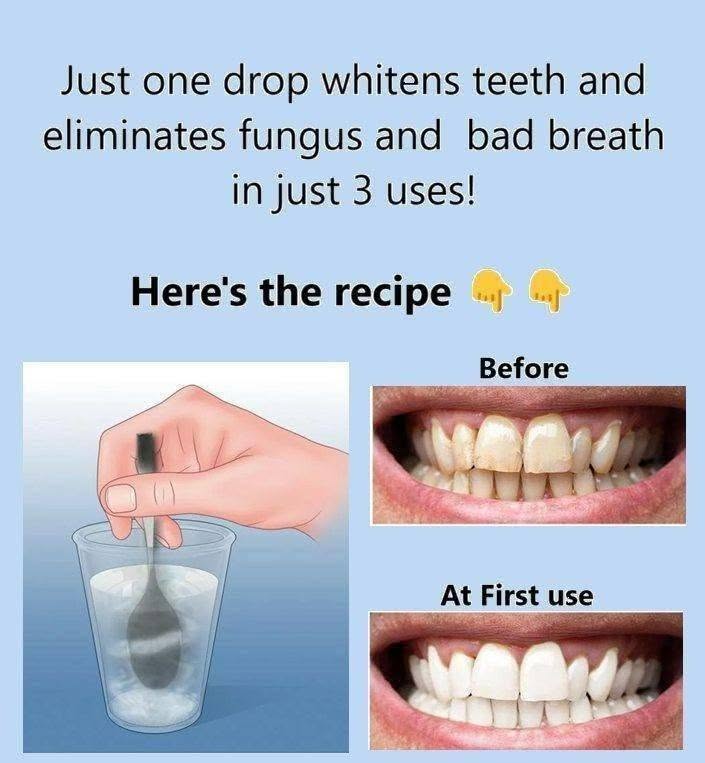
Learn how to prevent tartar buildup, reduce plaque, and keep your teeth looking naturally whiter with dentist-recommended daily oral-care habits, foods, and professional cleaning tips.
A bright, healthy smile doesn’t require complicated routines or expensive treatments. In many cases, the best way to keep your teeth looking clean and naturally bright is to prevent plaque and tartar buildup in the first place.
Plaque is a sticky film of bacteria that continuously forms on your teeth. If it isn’t removed regularly through brushing and cleaning between the teeth, it can harden into tartar, also called dental calculus.
Unlike soft plaque, tartar cannot be safely removed at home with ordinary brushing. Once it has hardened, professional dental cleaning is usually required.
The good news is that consistent daily habits can significantly reduce the amount of plaque that turns into tartar and can help your teeth maintain a cleaner, brighter appearance.
What Is Tartar?
Tartar is hardened dental plaque.
Plaque develops naturally throughout the day as bacteria interact with food particles and saliva. When plaque remains on the teeth, minerals in saliva can cause it to harden.
Tartar commonly develops:
- Along the gumline
- Behind the lower front teeth
- Between teeth
- Around areas that are difficult to clean
It can feel rough when you run your tongue over it.
Tartar can also make it easier for additional plaque to accumulate, which is why controlling it is an important part of maintaining good oral health.
Tartar vs. Plaque: What’s the Difference?
The two terms are often used interchangeably, but they are not the same.
Plaque is a soft, sticky bacterial film that can generally be removed through regular brushing and cleaning between the teeth.
Tartar is plaque that has hardened. Once it forms, brushing alone generally won’t remove it.
Trying to scrape tartar off yourself with sharp objects can damage the enamel or injure the gums, so professional removal is the safer option.
Brush Your Teeth Twice a Day
One of the simplest and most effective ways to control plaque is brushing your teeth twice a day.
Use a fluoride toothpaste and brush for about two minutes each time.
Rather than brushing aggressively, use gentle movements and make sure you reach:
- The front surfaces of the teeth
- The back surfaces
- Chewing surfaces
- The gumline
- Hard-to-reach areas at the back of the mouth
Brushing too forcefully doesn’t make teeth cleaner. In fact, excessive pressure can irritate the gums and contribute to tooth wear.
Don’t Forget Between Your Teeth
A toothbrush cannot effectively clean every surface between your teeth.
This is why cleaning between the teeth is so important.
Depending on your needs, you can use:
- Dental floss
- Interdental brushes
- Water flossers
Cleaning between your teeth helps remove food particles and plaque from areas where tartar can easily develop.
If your gums bleed when you first begin flossing, don’t automatically assume you should stop. However, persistent or heavy bleeding should be discussed with a dentist.
Use Fluoride Toothpaste
Fluoride is an important ingredient in preventing tooth decay.
Look for a toothpaste containing fluoride and use it consistently rather than switching between numerous unproven whitening products.
After brushing, spit out the toothpaste. Avoid immediately rinsing your mouth with large amounts of water if your dental professional has advised you to allow the fluoride to remain on your teeth.
Don’t Brush Immediately After Acidic Foods
Certain foods and drinks are acidic, including citrus fruits, soft drinks, and some fruit juices.
Acid can temporarily soften tooth enamel.
Instead of brushing immediately after consuming highly acidic foods or drinks, rinse your mouth with water and give your enamel some time before brushing.
This simple habit can help reduce unnecessary enamel wear.
Limit Sugary and Sticky Foods
Sugar itself doesn’t simply “stick to teeth and cause tartar,” but frequent sugar exposure can feed harmful bacteria and increase the risk of tooth decay.
Try to reduce frequent snacking on:
- Candy
- Cookies
- Cakes
- Sugary cereals
- Sweetened drinks
- Sticky desserts
If you do enjoy sweets, consuming them as part of a meal rather than repeatedly throughout the day may reduce the frequency of acid attacks on your teeth.
Drink More Water
Water is one of the simplest drinks for your teeth.
It can help wash away food particles and supports normal saliva production.
Choosing water instead of sugary drinks can also reduce your exposure to added sugars and acids.
If your local tap water contains fluoride, drinking it can provide additional protection against tooth decay.
Be Careful With Coffee and Tea
Coffee and tea don’t necessarily cause tartar, but regular consumption can contribute to surface staining.
If you’re trying to keep your teeth looking naturally brighter, consider:
- Drinking water afterward
- Avoiding excessive amounts of added sugar
- Maintaining regular brushing
- Having professional dental cleanings
- Discussing persistent discoloration with your dentist
It’s important to remember that removing surface stains is different from changing the natural color of your teeth.
Foods That Can Help Your Oral-Care Routine
There is no food that can magically remove tartar.
However, a balanced diet supports overall oral health.
Crunchy fruits and vegetables such as apples, carrots, and celery can increase chewing and saliva production and may help mechanically clean some food debris from tooth surfaces.
But these foods should not replace brushing, flossing, or professional dental care.
Avoid DIY Tartar-Removal Tricks
Social media is full of homemade recipes claiming to remove tartar instantly.
Common examples include:
- Lemon juice
- Vinegar
- Baking soda scrubs
- Charcoal powders
- Hydrogen peroxide mixtures
- Abrasive homemade pastes
Some of these methods can damage enamel or irritate the gums when used incorrectly or too frequently.
Acidic ingredients such as lemon juice and vinegar are particularly concerning because repeated acid exposure can contribute to enamel erosion.
A cleaner-looking smile isn’t worth damaging the protective surface of your teeth.
What About Baking Soda?
Baking soda is an ingredient found in some commercially formulated toothpastes and can help with certain types of surface staining.
However, that doesn’t mean repeatedly scrubbing your teeth with household baking soda is a safe substitute for toothpaste.
If you want to use a baking-soda toothpaste, choose a reputable dental product formulated for oral use.
Can Oil Pulling Remove Tartar?
Oil pulling is sometimes promoted online as a way to remove plaque and whiten teeth.
While swishing oil may make your mouth feel cleaner, it should not be considered a replacement for brushing with fluoride toothpaste or cleaning between the teeth.
There is also no reliable way to dissolve established tartar at home simply by swishing oil.
Once tartar has hardened, professional dental removal is the appropriate approach.
How Dentists Remove Tartar
When tartar has accumulated, a dental professional can remove it using specialized instruments.
Professional cleaning can remove hardened deposits that ordinary brushing cannot.
Depending on your oral-health needs, your dentist or dental hygienist may recommend cleaning at regular intervals.
The ideal frequency varies from person to person. People with gum disease, heavy tartar buildup, braces, certain medical conditions, or other risk factors may require more frequent professional care.
Signs You May Need a Dental Checkup
Don’t wait until your teeth become painful before seeing a dentist.
Make an appointment if you notice:
- Persistent bad breath
- Bleeding gums
- Swollen gums
- Red or tender gums
- Visible tartar
- Loose teeth
- Tooth sensitivity
- Persistent toothache
- Gum recession
- Changes in how your teeth fit together
Early dental care can often prevent small problems from becoming more complicated.
How to Keep Teeth Looking Naturally Whiter
Healthy teeth aren’t necessarily bright white.
Natural tooth color varies from person to person, and teeth can become slightly darker or more yellow with age.
For a naturally clean-looking smile:
- Brush twice daily with fluoride toothpaste.
- Clean between your teeth every day.
- Drink plenty of water.
- Limit frequent sugary and acidic drinks.
- Avoid tobacco products.
- Have professional dental cleanings when recommended.
- Address persistent stains with your dentist.
If your teeth are naturally darker, whitening treatments may be an option, but it’s best to discuss them with a dental professional first.
A Simple Daily Oral-Care Routine
Morning
Brush your teeth for about two minutes using fluoride toothpaste.
Clean your tongue gently if desired.
During the Day
Drink water regularly.
Limit frequent sugary snacks and drinks.
After acidic beverages, rinse with water rather than brushing immediately.
Evening
Clean between your teeth using floss or another appropriate interdental cleaning method.
Then brush your teeth for about two minutes with fluoride toothpaste.
This nighttime routine is particularly important because plaque can remain on your teeth for hours while you sleep.
Final Thoughts
Preventing tartar is much easier than trying to remove it after it has hardened.
The most effective strategy isn’t a miracle ingredient or homemade whitening trick. It’s consistent oral care: brush twice a day with fluoride toothpaste, clean between your teeth daily, limit frequent sugar and acidic drinks, and visit your dentist regularly.
If tartar has already formed, don’t try to scrape it away yourself. Professional dental cleaning can safely remove hardened deposits while protecting your teeth and gums.
And when it comes to whitening, focus first on healthy teeth and gums. A naturally healthy smile will always be more important than achieving an artificially bright shade of white.