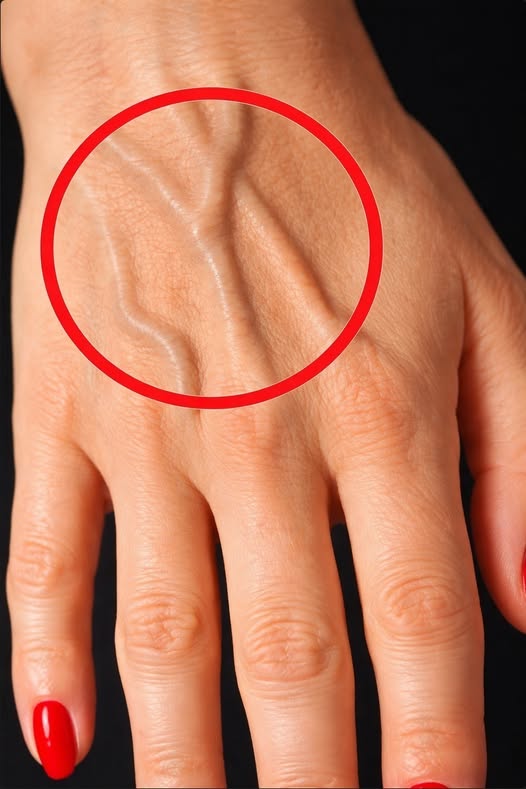
Visible veins can sometimes look concerning, but in many cases they are simply a normal feature of the body. How noticeable your veins are can depend on your skin, genetics, body composition, temperature, hydration, physical activity, and age.
So, visible veins do not automatically mean that you are sick or unhealthy.
1. You May Have Naturally Thin Skin
People with thinner or lighter skin may naturally have more visible veins.
As skin becomes thinner with age, veins can also become easier to see, particularly on the hands and forearms.
2. Lower Body Fat Can Make Veins More Noticeable
Veins located close to the surface of the skin are often more visible when there is less fat covering them.
This is one reason athletes and people with low body-fat levels may have prominent veins in their arms and legs.
Visible veins alone are not proof that someone is exceptionally fit or healthy.
3. Exercise Can Make Veins Temporarily Stand Out
During exercise, muscles receive increased blood flow.
This can temporarily make superficial veins appear larger or more prominent.
You may notice this especially after strength training or intense physical activity.
In most cases, the veins become less noticeable after your body returns to its normal resting state.
4. Heat Can Make Veins More Visible
Warm temperatures cause blood vessels near the skin to widen, helping the body release heat.
As a result, veins may become more noticeable after a hot shower, during hot weather, or after spending time in a warm environment.
This is generally a normal response.
5. Genetics Play a Role
Some people naturally have more prominent superficial veins than others.
The number, location, size, and visibility of veins can vary from person to person.
If visible veins have always been normal for you and there are no other concerning symptoms, they are often nothing to worry about.
6. Aging Can Make Veins More Prominent
As we get older, the skin gradually becomes thinner and loses some of its elasticity.
There may also be changes in the amount and distribution of tissue beneath the skin.
Together, these changes can make veins on the hands, arms, and other areas easier to see.
When Visible Veins May Need Medical Attention
Although visible veins are usually harmless, a new or sudden change accompanied by other symptoms deserves attention.
Contact a healthcare professional if you notice:
- A vein that suddenly becomes very prominent
- Pain or tenderness along a vein
- Redness or warmth around a vein
- Significant swelling in one arm or leg
- A hard or cord-like vein
- Skin discoloration
- A persistent change that has no obvious explanation
These symptoms can sometimes be associated with circulation problems or inflammation and should be evaluated rather than diagnosed at home.
What About Bulging Veins in the Legs?
Prominent, twisted, or enlarged veins in the legs can sometimes be varicose veins.
Varicose veins may cause symptoms such as:
- Aching or heaviness in the legs
- Swelling
- Itching
- Burning or discomfort
- Skin changes around affected veins
If these symptoms are persistent, a healthcare professional can determine whether evaluation or treatment is appropriate.
When to Seek Urgent Medical Care
A swollen or painful leg, particularly when the change occurs suddenly, can sometimes indicate a serious blood-clot-related problem.
Seek urgent medical attention if you develop sudden swelling, pain, warmth, or redness in one leg, especially if these symptoms occur together.
Call emergency services immediately if you experience symptoms such as sudden shortness of breath, chest pain, coughing up blood, fainting, or severe difficulty breathing.
The Bottom Line
Visible veins usually do not mean that something is wrong.
They can become more noticeable because of genetics, thin skin, low body fat, exercise, heat, or normal aging.
What matters most is whether the appearance of the veins is new, sudden, painful, swollen, red, warm, or associated with other symptoms.
If you are concerned about a change in your veins, a healthcare professional can examine you and determine whether further testing is necessary.
Medical Disclaimer
This article is for general educational purposes only and does not provide a diagnosis or medical advice. If you have new, painful, swollen, or rapidly changing veins, consult a qualified healthcare professional. Seek emergency care for symptoms such as sudden shortness of breath or chest pain.