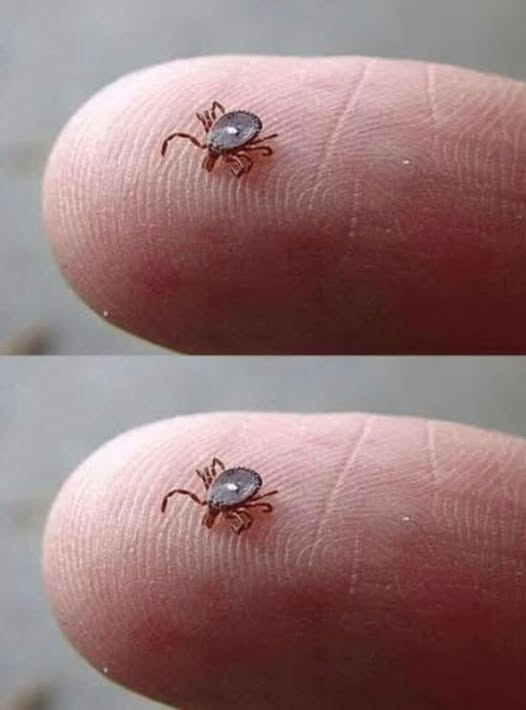
Found a tick attached to your skin? Learn how to safely remove it, what to do afterward, what symptoms to watch for, and when you should contact a healthcare professional.
If You Find a Tick on Your Skin, Here’s What You Should Do Next
Finding a tick attached to your skin can be alarming, especially if you have been outdoors, hiking, gardening, or spending time around grass and wooded areas. The most important thing is not to panic and not to pull the tick off with your bare fingers.
A tick should be removed as soon as possible. Prompt removal can reduce the amount of time the tick remains attached and may lower the risk of certain tick-borne infections.
Here’s what to do.
1. Get a Pair of Fine-Tipped Tweezers
The safest basic method is to use clean, fine-tipped tweezers.
Avoid crushing or squeezing the tick’s body. The goal is to grasp it as close to the skin as possible.
If you have someone nearby who can help, particularly if the tick is in a difficult-to-see location, having them assist can make removal easier.
2. Grasp the Tick Close to the Skin
Place the tweezers around the tick as close to the skin’s surface as you can.
Try to grip the tick firmly at its mouthparts rather than grabbing the swollen body.
This is important because squeezing the body can make removal more difficult and may cause parts of the tick to remain embedded.
3. Pull Upward Slowly and Steadily
Once you have a firm grip, pull the tweezers straight upward with steady, even pressure.
Don’t twist or jerk the tweezers.
If part of the tick remains in the skin and you cannot easily remove it with clean tweezers, don’t repeatedly dig into the skin. The remaining mouthparts generally cannot transmit infection on their own, although the area should still be cleaned and monitored.
4. Clean the Bite Area
After removing the tick, thoroughly clean the bite area and your hands with soap and water.
You can also use an appropriate alcohol-based hand sanitizer if soap and water aren’t immediately available.
Keep the area clean while it heals.
5. Don’t Use Old “Tick Removal Tricks”
You may have heard that you should cover a tick with petroleum jelly, nail polish, oil, or another substance to make it release itself.
These methods are not recommended.
Similarly, burning an attached tick with a match or another hot object can injure your skin.
Tweezers and steady removal are safer and simpler.
6. Keep the Tick If You Can
If possible, place the removed tick in a sealed container or bag rather than immediately throwing it away.
Depending on where you live and your healthcare provider’s advice, identifying the tick can sometimes help determine what types of infections may be relevant.
However, routine testing of individual ticks isn’t always recommended because a positive tick test does not necessarily mean you have been infected.
7. Watch the Bite Site
For the next several days and weeks, pay attention to how you feel and how the bite area changes.
A small amount of redness or irritation immediately after a bite can occur and does not automatically mean you have a tick-borne illness.
However, seek medical advice if you develop symptoms such as:
- Fever or chills
- Headache
- Unusual tiredness
- Muscle or joint aches
- Swollen lymph nodes
- Increasing redness or swelling
- A spreading rash
- Other unusual symptoms after a tick bite
The exact symptoms and timing can vary depending on the infection involved and the type of tick.
What About the Classic Bull’s-Eye Rash?
Many people associate tick bites with a circular “bull’s-eye” rash.
While a spreading rash can occur with Lyme disease, not every person develops the classic bull’s-eye appearance. Some people may have a different-looking expanding rash, while others may not notice a rash at all.
That’s why it is important not to rely on the appearance of the bite alone.
When Should You Contact a Doctor?
Contact a healthcare professional if:
- You cannot remove the tick completely.
- The tick was attached for a long time or was significantly engorged.
- You develop fever, rash, headache, body aches, or other concerning symptoms afterward.
- The bite becomes increasingly painful, swollen, or infected-looking.
- You are unsure what type of tick it was or whether tick-borne illnesses are common in your area.
- The bite involves a young child or someone with medical circumstances that make infection particularly concerning.
In some situations, a healthcare professional may consider preventive treatment after a tick bite, but this depends on factors such as the type of tick, location, how long it was attached, and the local risk of specific infections.
Check Yourself After Spending Time Outdoors
Prevention is easier than dealing with a tick bite.
After walking through tall grass, wooded areas, or places where ticks may live, check your clothing and skin carefully. Pay particular attention to areas such as the scalp, behind the ears, neck, armpits, waist, groin, and behind the knees.
Showering after outdoor activities and checking clothing can also help you spot ticks before they remain attached for long periods.
Final Thoughts
Finding a tick on your skin can be frightening, but quick and proper removal is the most important first step.
Use fine-tipped tweezers, grasp the tick close to the skin, pull straight upward steadily, and clean the area afterward.
Don’t burn the tick, cover it with irritating substances, or rely on homemade removal tricks.
Most importantly, keep an eye on your health after the bite. If you develop a fever, spreading rash, unusual headache, body aches, or other concerning symptoms, contact a healthcare professional and mention the tick bite.