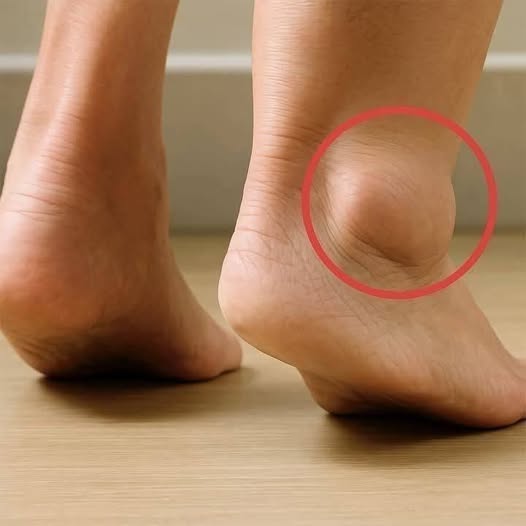
Swollen feet and ankles are common, particularly after spending a long time standing or sitting. Sometimes the swelling is temporary and harmless, but persistent, sudden, or unexplained swelling can occasionally be a sign of an underlying medical condition.
The medical term for swelling caused by excess fluid in the tissues is edema. Understanding the possible causes—and knowing when to seek medical attention—can help you respond appropriately.
What Causes Swollen Feet?
Swelling can happen when fluid moves from the bloodstream into surrounding tissues and isn’t cleared efficiently. Several different factors can cause this.
1. Sitting or Standing for Too Long
Remaining in one position for hours can cause fluid to accumulate in the lower legs and feet. This is especially common after long periods of travel or at the end of a busy day.
The swelling often improves after walking around, elevating the legs, or returning to normal activity.
2. Eating Too Much Salt
A high-sodium diet can cause the body to retain additional water. This may temporarily contribute to puffiness in the feet, ankles, hands, or other parts of the body.
Reducing excessive sodium intake and maintaining a balanced diet can help support normal fluid balance.
3. Certain Medications
Some prescription medicines can cause swelling as a side effect. Examples include certain medications used for high blood pressure, diabetes, inflammation, and other conditions.
Don’t stop a prescribed medication on your own because you notice swelling. Speak with your doctor or pharmacist about whether your medication could be contributing to the problem.
4. Vein Problems
The veins in your legs have to return blood upward toward your heart. If the veins aren’t working efficiently, blood and fluid can accumulate in the lower legs.
This can cause swelling around the ankles that may become more noticeable after standing for a long time.
5. Heart, Kidney, or Liver Conditions
Certain medical conditions affecting the heart, kidneys, or liver can interfere with the body’s ability to maintain normal fluid balance.
Swelling associated with these conditions may occur alongside other symptoms, such as unusual fatigue, changes in urination, abdominal swelling, or shortness of breath.
Swollen feet alone do not prove that you have heart, kidney, or liver disease. A healthcare professional needs to evaluate the complete picture.
When Is Swelling More Concerning?
Pay attention to how quickly the swelling appeared, whether it affects one or both legs, and whether other symptoms are present.
Contact a healthcare professional if the swelling:
- Keeps returning or doesn’t go away
- Gradually becomes worse
- Has no obvious explanation
- Is accompanied by unexplained weight gain
- Occurs with increasing fatigue
- Is associated with changes in urination
- Is accompanied by abdominal swelling or other unusual symptoms
Sudden Swelling in One Leg Needs Attention
Swelling that suddenly develops in one leg, especially when accompanied by pain, tenderness, warmth, or redness, can sometimes indicate a blood clot called a deep-vein thrombosis (DVT).
This requires prompt medical evaluation.
Seek Emergency Care for Swelling With Breathing Problems
Swelling accompanied by chest pain, severe difficulty breathing, fainting, or sudden unexplained shortness of breath can be a medical emergency.
Don’t wait for the swelling to disappear on its own in this situation.
What Can You Do for Mild Swelling?
If your swelling is mild and you don’t have concerning symptoms, some general measures may help:
- Avoid sitting or standing in the same position for long periods.
- Take regular walking or movement breaks.
- Elevate your legs when resting.
- Avoid excessive sodium.
- Stay physically active according to your abilities.
- Wear comfortable shoes that don’t constrict your feet.
If you have a medical condition or have been advised to restrict fluids, sodium, or activity, follow your healthcare professional’s recommendations rather than making major changes yourself.
Don’t Ignore Persistent Swelling
It’s tempting to assume that swollen feet are simply a normal part of aging, but persistent swelling deserves attention, particularly when there is no obvious explanation.
At the same time, swollen feet don’t automatically mean something dangerous is happening. Many relatively simple causes can produce temporary edema.
The Bottom Line
Swollen feet can have many causes, ranging from prolonged standing and dietary factors to medication side effects and medical conditions affecting circulation or fluid balance.
The most important thing is to look at the pattern. Mild swelling that disappears after rest may be very different from sudden one-sided swelling or swelling accompanied by breathing difficulties.