Learn how to tell when a watermelon has gone bad. Discover the warning signs of spoilage, how to store cut watermelon safely, and when it is better to throw it away.
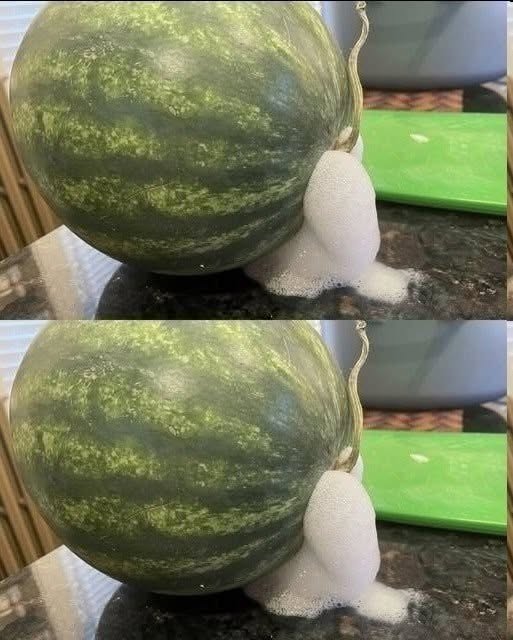
If Your Watermelon Starts to Look Like This, Get Rid of It Immediately
A cold, juicy watermelon is one of the easiest treats to enjoy on a hot day. But because watermelon contains a lot of water and natural sugars, it can spoil—especially after it has been cut.
Sometimes a bad watermelon is obvious. Other times, the outside may still look perfectly normal while the flesh inside has started to deteriorate.
Knowing the warning signs can help you avoid eating fruit that may make you sick.
1. The Flesh Becomes Very Soft or Slimy
One of the clearest signs of spoilage is a major change in texture.
Fresh watermelon should be firm and juicy. If the flesh becomes unusually mushy, slimy, or sticky, especially when accompanied by an unpleasant smell or other changes, it’s safest to discard it.
A small amount of softness isn’t necessarily proof that the fruit is unsafe, but significant deterioration is a warning sign.
2. There Is a Sour or Unpleasant Smell
Fresh watermelon has a mild, sweet smell.
If you cut one open and notice a sour, fermented, rotten, or otherwise unpleasant odor, don’t taste it to see whether it is still good.
Your nose can be an important warning signal.
When the smell is clearly abnormal, throwing the watermelon away is the safer choice.
3. You See Mold
If you notice fuzzy mold or visible mold growth on the watermelon, discard it.
Don’t simply cut around the moldy section and eat the rest. Because watermelon is a soft, high-moisture food, contamination may extend beyond what is visible on the surface.
This is especially important with cut watermelon.
4. The Flesh Looks Slimy or Has an Unusual Appearance
Fresh watermelon normally has vibrant flesh with a characteristic juicy texture.
If the inside develops an unusually slimy appearance, extensive discoloration, or other changes that make it look significantly different from fresh watermelon, it’s better not to eat it.
Some color variation can occur naturally, but obvious deterioration combined with a bad smell or texture is a strong reason to discard it.
5. The Rind Has Become Very Soft or Damaged
The outside of a whole watermelon can also provide clues.
Avoid watermelons with extensive areas of decay, leaking liquid, severe soft spots, or visible mold.
A small superficial blemish isn’t necessarily a problem, but large areas of deterioration deserve caution.
6. The Watermelon Is Leaking or Fermenting
If liquid is leaking from a watermelon that shouldn’t be leaking, or you notice bubbling, foaming, or a fermented smell after cutting it, don’t eat it.
These changes can indicate that microorganisms have altered the fruit.
When several spoilage signs appear together, there is no good reason to take the risk.
What About Yellow or Pale Watermelon Flesh?
Not every unusual-looking watermelon is spoiled.
Some varieties naturally have yellow, orange, or pale flesh. Even within red varieties, color can vary depending on ripeness and growing conditions.
Therefore, color alone isn’t always enough to determine whether a watermelon is unsafe.
Look at the complete picture: smell, texture, appearance, storage history, and whether there are signs of mold or decay.
How Long Does Cut Watermelon Last?
Once watermelon has been cut, it should be treated as a perishable food.
Refrigerate cut watermelon promptly rather than leaving it at room temperature for extended periods.
Keep it in a clean, covered container or tightly wrapped and maintain a properly cold refrigerator.
If cut watermelon has been left out for too long, especially in hot conditions, don’t rely on smell or appearance alone to decide whether it’s safe. When in doubt, discard it.
Don’t Taste Fruit That Looks Spoiled
One common mistake is taking “just one bite” to determine whether questionable fruit is still good.
That’s unnecessary.
If the watermelon has visible mold, a rotten or fermented smell, a slimy texture, or significant deterioration, throw it away rather than tasting it.
Store Watermelon Properly
To keep watermelon fresh for longer:
- Wash the outside of a whole watermelon before cutting it.
- Use a clean knife and cutting surface.
- Refrigerate cut watermelon promptly.
- Keep cut pieces covered.
- Avoid leaving cut fruit sitting in a warm environment.
- Keep the refrigerator at a safe temperature.
- Don’t mix freshly cut fruit with older pieces that may already be spoiled.
Proper handling is just as important as choosing a good watermelon at the store.
What If You Accidentally Eat Spoiled Watermelon?
If you accidentally eat watermelon that may have spoiled, don’t panic.
Pay attention to how you feel afterward. Foodborne illness can cause symptoms such as nausea, vomiting, diarrhea, stomach cramps, or fever.
Seek medical attention if symptoms are severe, persistent, or accompanied by signs of dehydration or other concerning symptoms.
Young children, older adults, pregnant people, and people with weakened immune systems can be more vulnerable to complications from foodborne illness and should take symptoms seriously.
The Simple Rule to Remember
A watermelon doesn’t have to look dramatically rotten to deserve a place in the trash.
Mold, a rotten or fermented smell, significant sliminess, leaking, or extensive deterioration are all good reasons to discard it.
When you’re unsure about a questionable watermelon, especially one that has already been cut and stored for some time, it’s safer to throw it away than to gamble with your health.
Final Thoughts
Watermelon is delicious and nutritious, but like any fresh produce, it can spoil.
Don’t judge it by color alone. Check the smell, texture, appearance, and storage conditions. If several warning signs point toward spoilage, don’t try to rescue the fruit by cutting away one suspicious area.
When watermelon looks or smells rotten, the safest choice is simple: don’t eat it.